Dashboard › Browse Recipes › Pan con Chicharron (Peruvian Pork Belly Sandwich)
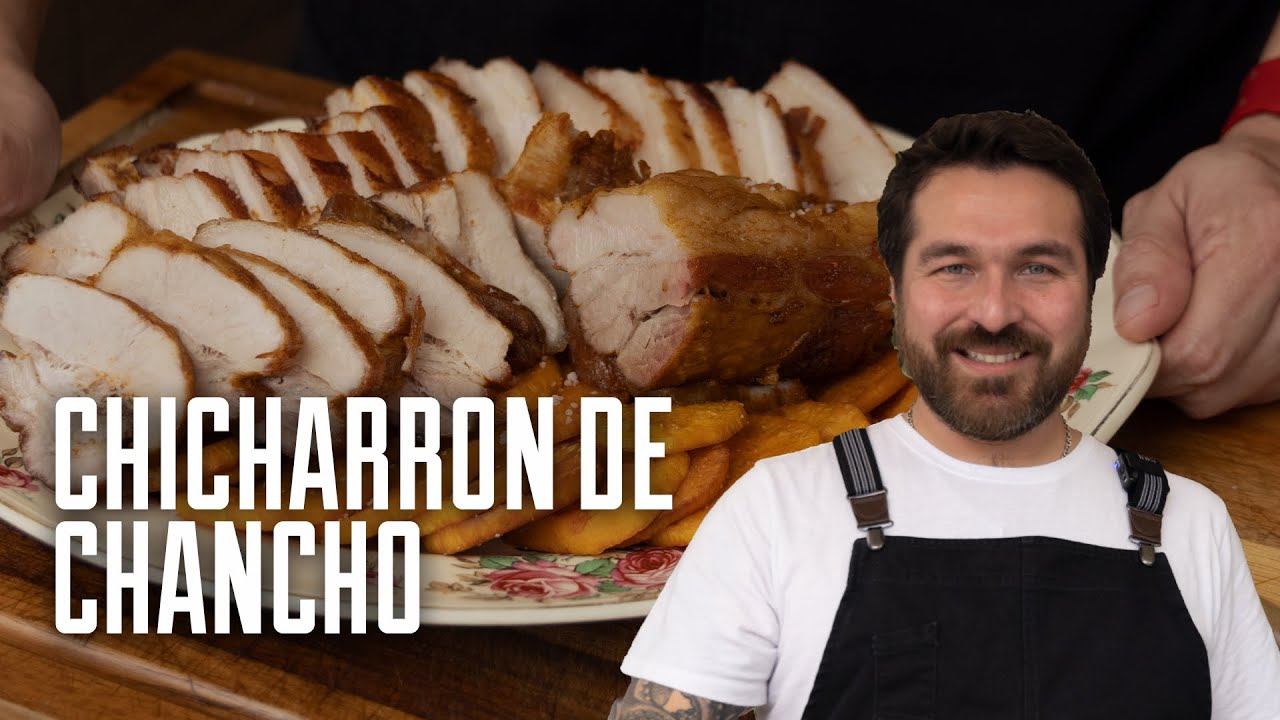
Pan con Chicharron (Peruvian Pork Belly Sandwich)
The quintessential Peruvian breakfast sandwich featuring brined and deep-fried pork belly, fried sweet potato slices, and a crisp onion salsa criolla, all served on a crusty French roll. Giacomo shares his professional technique from his time as gastronomic director at La Lucha, emphasizing the importance of brining for juiciness and a two-stage cook (poach then fry) for maximum flavor and texture.
Ingredients
Assembly
- 6 rolls Crusty French bread rolls (split open)
- Coarse sea salt (Maras / Cusco) optional
Brine
- 1 L Water (for brine)
- 100 g Salt (for 10% brine) (dissolved in water)
Chicharron
- 800 g Pork belly (panceta) (cut into portions)
Frying
- Vegetable oil (for deep frying) (heated to 180C / 356F)
Marinade
- 8 cloves Garlic cloves (peeled)
- 3 tbsp Aji panca paste
- 2 tbsp Achiote oil
- 1 tsp Black pepper (toasted and ground)
- 1 tsp Cumin (toasted and ground)
- 1 tsp Garlic powder
- 0.25 tsp Chinese cinnamon (cassia) (ground, just a touch)
Salsa Criolla
- 2 medium Red onion (halved, core removed, sliced into thin feathers)
- 1 small cap Rocoto pepper (brunoise (fine dice)) optional
- 3 tbsp Lime juice (freshly squeezed)
- 1 handful Cilantro (culantro leaves) (whole leaves, not chopped)
- Salt
Sweet Potato
- 2 medium Jonathan sweet potato (orange) (peeled deeply (remove white layer), sliced 2.5-3mm thick)
Steps
-
1Prepare a 10% brine by dissolving 100g salt per liter of water. Submerge the pork belly portions in the brine and refrigerate for 3 hours. The brine seasons the meat evenly to the core and adds moisture for juiciness after cooking.Tip: Brining time depends on thickness, not weight. A thin matambre might only need 15 minutes, but a thick panceta piece needs the full 3 hours to penetrate to the center.~180 min
-
2Make the marinade: blend together the garlic, aji panca paste, achiote oil, and the spice mix (toasted ground black pepper, toasted ground cumin, garlic powder, and a tiny pinch of Chinese cinnamon) until smooth.Tip: If you cannot find aji panca, Korean gochujang (fermented chili paste) is a good substitute and may be easier to find at Asian grocery stores.~5 min
-
3Remove the pork belly from the brine and pat dry. Rub the marinade generously all over the pork pieces, creating a flavorful crust. The marinade has NO salt since the brine already seasoned the meat. For best results, refrigerate the marinated pork for 8-12 hours.Tip: A marinade penetrates meat about 1cm per 24 hours, so we are only creating a flavorful crust on the outside — the brine handles the interior seasoning.~10 min
-
4Bring a pot of water to a boil. Add a generous amount of the remaining marinade paste to the water, plus salt (like seawater concentration). This is a court bouillon. Place the marinated pork belly into the boiling water (cooking by concentration — starting from hot water keeps flavor IN the meat). Maintain a very gentle simmer (mijoter) for 45 minutes.Tip: The water must be saturated with flavor and salt so it does not leach seasoning from the pork. If you start from cold water (expansion cooking), the flavor would escape into the liquid instead.~45 min
-
5Remove the poached pork belly from the court bouillon and place on paper towels. Pat very dry on the outside — this is critical to prevent dangerous splattering during deep frying. Save the court bouillon as a pork stock for rice or other dishes.Tip: The leftover court bouillon is excellent for making arroz con chancho (pork rice) — it is full of flavor from the pork and marinade.~5 min
-
6Heat oil to 180C (356F) for deep frying. Carefully submerge the dried pork belly pieces and fry for 4-6 minutes until golden brown and crispy on the outside. The Maillard reaction creates the flavorful crust. Remove and drain.Tip: Because of the brine, you do not need to fear the meat drying out — you can push the frying longer for more color, more crust, and more flavor.~6 min
-
7While the pork poaches, prepare the sweet potato: peel the Jonathan sweet potatoes deeply, removing all the whitish layer beneath the skin (it becomes gummy when fried). Cut into 2.5-3mm slices. Keep in cold water until ready to fry. Deep fry in hot oil until slightly crispy outside and creamy inside.Tip: Do not cut the sweet potato too thin or it becomes like a chip/chicle. The ideal thickness gives a creamy, warm puree-like interior with a light crisp shell. The sweet potato provides sweetness and creaminess that contrasts the savory pork.~10 min
-
8Prepare the salsa criolla: slice the red onion into very thin feathers after removing the core. Soak in ice water or very cold water for at least 15 minutes — this makes them crunchy, removes sulfurous bite, and creates attractive crystal-like texture. Drain well.Tip: Save the onion cores for other preparations like aderezo, stocks, or soups. Use gloves when handling rocoto to avoid capsaicin burns — Giacomo learned this the hard way at 17!~20 min
-
9Combine the drained onion with finely diced rocoto, lime juice, salt, and whole cilantro leaves. The criolla should be acidic and slightly spicy to cut through the richness of the pork.Tip: Use whole herb leaves instead of chopping — they oxidize less and maintain better quality. Giacomo prefers cilantro over spearmint (hierbabuena) as it complements the warm, savory pork better.~5 min
-
10Assemble the sandwich: split a crusty French roll, lay fried sweet potato slices on the bottom, pile on sliced chicharron, sprinkle with coarse sea salt (Maras salt from Cusco), top with salsa criolla, and close the sandwich. Serve immediately.Tip: The coarse salt crystals are not for seasoning (the pork is already seasoned) — they create little bursts of saltiness that make you want to keep eating, bite after bite. A bad bread will ruin even the best chicharron — invest in quality crusty rolls.~3 min
Nutrition (per serving)
750
Calories
35g
Protein
55g
Carbs
42g
Fat
4g
Fiber
Cultural Context
Pan con chicharron is one of Peru's most beloved breakfast sandwiches, deeply tied to national identity and Fiestas Patrias (July 28th independence celebrations). Chicharron originated as a byproduct of lard production — Chinese and Japanese immigrants in bodegas and pulperias rendered pork fat for cooking (before vegetable oils existed), and the crispy fried pork pieces left behind became chicharron. The sandwich combines four essential elements: the pork, fried sweet potato, salsa criolla, and a good crusty bread roll. Giacomo notes he perfected this recipe while managing 400-500 kg of daily pork production at La Lucha sandwich shop.