› Browse Recipes › Peruvian Pollada (Peruvian Community Fried Chicken)
Peruvian Pollada (Peruvian Community Fried Chicken)
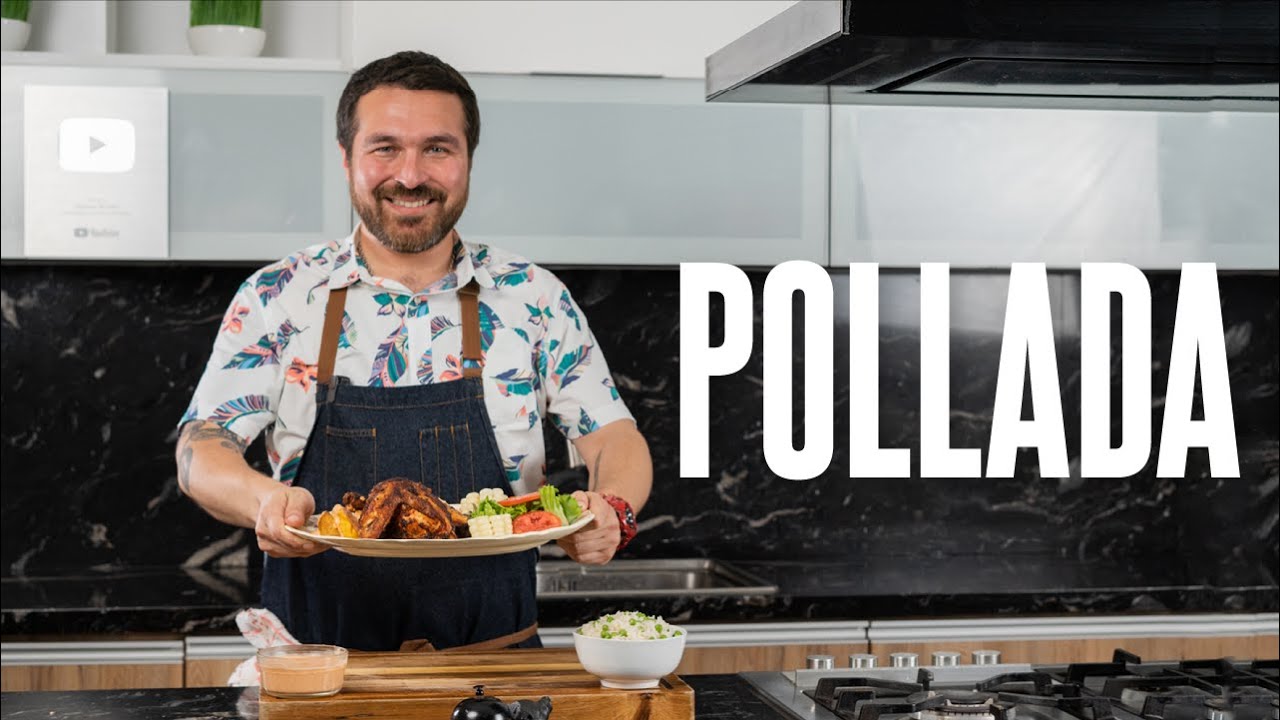
Pollada is an iconic Peruvian dish and a beloved community tradition — gatherings where fried chicken is sold by the portion to raise money for families in need. Giacomo Bocchio elevates this classic with a proper 10% brine, a bold ají panca and garlic marinade with dark beer and cola, a pre-cook blanching step in flavored water to preserve juiciness, and a finish fried at 180°C for a deeply caramelized, crispy skin. Served with fried potato rounds and rice with peas, plus a fiery rocoto cream sauce.
download Extracted 2026-03-31
Ingredients
Chicken & Brine
- 1 whole Whole chicken (cut into 4 pieces (2 leg-thigh quarters, 2 breast halves); do not butterfly/open like a book)
- 1 liter Water (for brine) (dissolve salt to make 10% brine)
- 100 g Salt (for brine) (dissolved in water to make 10% brine)
Frying
- 1 liter Neutral frying oil (heated to 180°C for frying chicken and potatoes)
Garnish
- 4 medium Potatoes (steamed first, then cut into thick rounds for frying)
- 2 cups dry Cooked white rice (cooked and served with peas stirred in at the end)
- 0.5 cup Green peas (alverjas) (added to hot rice at the last moment to warm through with residual steam)
- 1 ear Corn on the cob (choclo), cut into rounds (cut into thick rounds; boiled or steamed) optional
Marinade
- 4 tbsp Ají panca paste (used generously — this gives the characteristic deep red color and aroma)
- 8 cloves Garlic cloves (blended with the marinade)
- 2 tbsp Fresh lemon juice (squeezed fresh)
- 3 tbsp Malt vinegar (preferably from Tacna, Peru; substitute: sherry vinegar) (adds anticucho-style acidity)
- 60 ml Dark cola (e.g., Coca-Cola) (adds sugar for deeper caramelization during frying)
- 60 ml Dark beer (cerveza negra) (more complex sugars than blonde beer — promotes deeper browning)
- 1 tsp Ground cumin
- 1 tsp Fresh ginger juice (grate a small knob of fresh ginger and squeeze out the juice; discard the fibrous pulp)
- 1 tsp Black pepper (freshly ground)
- to taste Salt (for marinade) (season the marinade before blending)
Rocoto Cream Sauce (Ají de Rocoto)
- 1.5 whole Rocoto chile (fresh) (roughly chopped; leave seeds and veins for maximum heat, remove for milder sauce)
- 0.5 medium White onion (roughly chopped for sautéing)
- 2 cloves Garlic cloves (for sauce) (sautéed with onion and rocoto)
- 60 ml Evaporated milk (added before blending to thin the sauce)
- 1 slice White bread (crustless sandwich bread / pan de molde) (added before blending to thicken and give body to the sauce)
- 2 tbsp Neutral oil (for sauce) (for sautéing the rocoto mixture)
- to taste Fresh cheese (queso fresco) (optional addition to the sauce for a creamier, milder version) optional
Steps
-
1Prepare a 10% brine by dissolving 100g of salt per 1 liter of water. Submerge the whole chicken in the brine and refrigerate for 5 hours. If using pre-cut chicken pieces instead of a whole bird, 45–60 minutes is sufficient.Tip: The brine does two things: it seasons the meat deeply all the way through, and it drives extra moisture into the muscle fibers — this is the foundation of a juicy pollada.~300 min
-
2Remove the brined chicken and cut it into 4 pieces: 2 leg-thigh quarters and 2 breast halves. Do not butterfly or open the pieces flat — keeping them thick preserves juiciness during frying.Tip: Giacomo references his arroz con pollo video for the cutting technique. The key departure from traditional pollada is NOT opening the chicken like a book — thickness = juiciness.~10 min
-
3Make the marinade: combine ají panca paste, garlic cloves, fresh lemon juice, malt vinegar (or sherry vinegar if outside Peru), dark cola, dark beer, ground cumin, fresh ginger juice, black pepper, and salt to taste. Blend everything until completely smooth.Tip: The dark cola and dark beer both contribute complex sugars that cause deeper, more intense caramelization (Maillard reaction) during frying. This is why the pollada comes out so beautifully red-brown. Reserve 2–3 tablespoons of the finished marinade for the blanching water.~10 min
-
4Reserve 2–3 tablespoons of the marinade. Apply the rest generously to the chicken pieces, rubbing and massaging the marinade into every surface. Cover and refrigerate for 12–24 hours (minimum 2 hours if time is short).Tip: The rubbing/massage mimics industrial tumblers that force marinade to penetrate deeper into the meat. More contact time = more flavor and color.~720 min
-
5Make the rocoto cream sauce (ají de rocoto): heat oil in a very hot pan. Sauté roughly chopped rocoto, onion, and garlic together. Season with salt and pepper. Transfer to a blender. Add evaporated milk and crustless white bread. Blend until smooth and creamy.Tip: WARNING: sautéing rocoto releases capsaicin into the air — it will make everyone in the kitchen cough and their eyes water. Open windows and keep children away. Leaving the seeds and veins in makes it very spicy; remove them for a milder sauce. Adding queso fresco gives a creamier, milder result.~10 min
-
6Bring a large pot of water to a boil. Add a pinch of salt, a few garlic cloves, and the reserved 2–3 tablespoons of marinade to the water — this creates a flavored court-bouillon. The goal is to saturate the water with the same flavors as the chicken so it loses no flavor during the blanch.Tip: This is the key pro technique: a court-bouillon flavored with the same marinade means the chicken won't leach flavor into plain water. Use this method for large-batch pollada production.~10 min
-
7Blanch the chicken pieces in the boiling flavored water. Start with the leg-thigh quarters (they need more time). After 4–6 minutes, add the breast pieces. Total blanching time: 4–6 minutes for legs, then add breasts for a further 4–6 minutes. Do not fully cook — this is a par-cook only. Remove pieces to a clean tray (not one that held raw chicken — avoid cross-contamination).Tip: The blanch reduces the time the chicken needs in the fryer, which preserves the oil longer and ensures the interior is cooked through before the exterior over-browns. Always start from hot (not cold) water to avoid flavor loss through expansion.~12 min
-
8While the chicken finishes blanching, brush the par-cooked pieces with additional marinade to reinforce the color and flavor layer before frying.Tip: This extra basting layer is what gives the pollada that intense, deeply colored crust in the fryer.~3 min
-
9Steam the potatoes until just tender. Cut into thick rounds. Fry the potato rounds in oil at 180°C until deeply golden and crispy on both sides. Remove and set aside.Tip: Pre-steaming the potatoes before frying means you only need to develop color and crunch — not cook them through — so they fry quickly and evenly.~20 min
-
10Heat frying oil to 180°C. Fry the breast pieces first (they are on top and par-cooked slightly less). Fry until deeply golden brown with caramelized, crispy skin. Then fry the leg-thigh pieces. Use a spider/strainer tool for safe handling. The goal is color, crunch, and caramelization of the marinade — the interior is already par-cooked.Tip: The dark sugars from the cola and dark beer in the marinade caramelize quickly at 180°C — watch carefully and don't leave unattended. The pre-cook means frying time is shorter than typical fried chicken, preserving oil quality for large batches.~15 min
-
11Cook white rice and stir in the green peas at the very end — just fold them into the hot rice off the heat so they warm through with residual steam, remaining vibrant green.Tip: Adding peas at the last second off the heat (not boiling them) keeps them fresh, sweet, and brilliantly green instead of dull and mushy.~20 min
-
12Plate: one large piece of fried chicken per serving, alongside fried potato rounds, a portion of rice with peas, and corn rounds if using. Spoon the rocoto cream sauce generously over the chicken and potatoes. Serve immediately.Tip: The rocoto cream is meant to be bold and spicy — it is the key condiment that ties the whole plate together. Do not be timid with it.~5 min
Nutrition (per serving)
620
Calories
48g
Protein
35g
Carbs
30g
Fat
4g
Fiber
Cultural Context
Pollada is one of Peru's most culturally significant communal foods. Peruvians organize polladas as fundraising events — neighbors, families, or communities gather to prepare and sell portions of fried chicken to help someone facing medical bills, economic hardship, or other difficulties. It is a direct expression of Peruvian solidarity (solidaridad). Traditionally, whole chickens are butterflied (opened like a book/mariposa cut) to maximize surface area and portion visual size. Giacomo deliberately breaks from this tradition to prioritize juiciness over visual impact.