Dashboard › Browse Recipes › Visiting the TikTok Viral Cevichería: Las Gaviotas
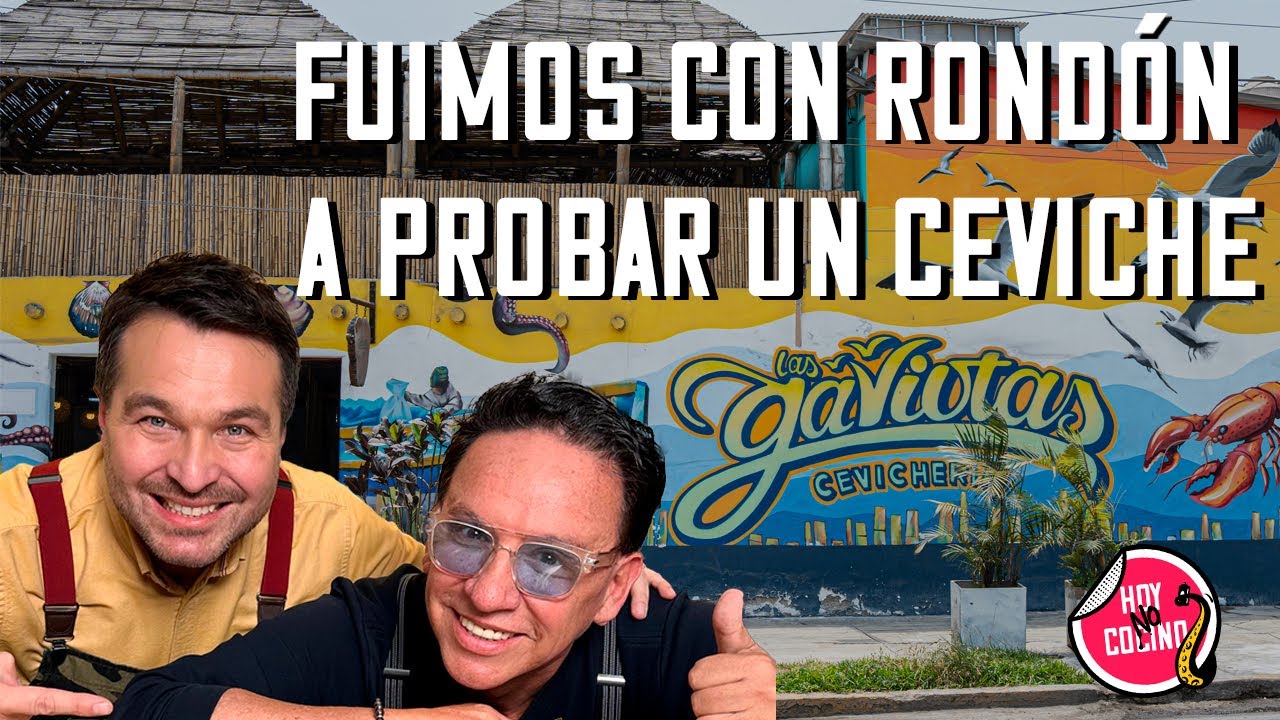
Visiting the TikTok Viral Cevichería: Las Gaviotas
Giacomo Bocchio and friend Ricardo Rondón visit Las Gaviotas, a cevichería in Chorrillos, Lima that went viral on TikTok thanks to its energetic staff, storytelling content, and signature Peruvian seafood dishes. They taste the ceviche, causa de pulpa de cangrejo, arroz con mariscos, and the legendary parihuela, while speaking with owner Mariano about the family legacy, viral social media strategy, and the hard work behind the restaurant.
Ingredients
No ingredients listed
Steps
-
1Giacomo and Ricardo arrive early at Las Gaviotas in Chorrillos — the cevichería opens at 11am but they arrive at 10am to beat the crowd. Owner Mariano welcomes them and gives a kitchen tour before service.Tip: Mariano recommends visiting before opening time to avoid the crowds — the restaurant fills up very quickly, especially on weekends.
-
2In the kitchen, Giacomo observes staff preparing a parihuela (Peruvian seafood broth) in a massive pan over a powerful open flame. Pasta de ajo (garlic paste) is sautéed as the aderezo base. The scale of the fire impresses Giacomo as ideal for building deep-flavoured sauces.Tip: Open-flame cooking at high heat is essential for developing the rich, smoky aderezo base that gives cevichería-style parihuela and rice dishes their distinctive depth.
-
3The kitchen team squeezes 70 kg of limes per service, exclusively for ceviches — separate limes are used for limonadas, piscos, and chicha. Giacomo is astonished: a single cevichería uses an entire bucket and three quarters of lime juice just for cooking.Tip: The volume of fresh lime is non-negotiable in a high-quality cevichería. The leche de tigre must be made with freshly squeezed lime — never bottled juice.
-
4Giacomo observes the causa preparation: yellow potato dough (papa amarilla) seasoned with ají amarillo is pressed three times through a potato press for an ultra-smooth, fine texture. The filling is pulpa de cangrejo (crab meat) with palta (avocado).Tip: Pressing the papa amarilla dough three times — rather than once — gives causa its signature silky texture. The colour should be a vibrant yellow from both the potato variety and the ají amarillo.
-
5Owner Mariano explains his TikTok strategy: he started sharing the personal stories of his workers — their relationships, where they come from, how long they've worked there — creating a reality-show feel around the cevichería. This human storytelling went viral and drove massive attention to the restaurant.Tip: Authenticity drives virality. Mariano's insight was that showing the real people behind the food — not just the dishes — created a deeper emotional connection with the audience than food photography alone.
-
6Mariano shares the family legacy: his grandmother, mother, and multiple aunts all ran cevicherías in the same street. His mother procures all the fish herself, going to the market at 1am, fileting and processing everything in-house. The family has no external suppliers — full vertical control of quality.Tip: Owning your supply chain from market to table is a key differentiator for top cevicherías. Knowing and controlling the product from the source ensures superior freshness — the foundation of great ceviche.
-
7The tasting begins. First dish: ceviche served in a deep bowl with abundant leche de tigre, camarones (shrimp), and good heat from ají. Giacomo praises the spice level and the generous broth. The ceviche comes with chifles (fried plantain chips) and cancha (toasted corn).Tip: Serving ceviche in a deep bowl rather than a flat plate ensures more leche de tigre — Giacomo's preferred style because the tiger's milk is as important as the fish itself.
-
8Second dish: causa de pulpa de cangrejo — the heart-shaped causa made from the triple-pressed papa amarilla dough tasted earlier, filled with crab meat and avocado. Giacomo finds it very fresh and flavourful, noting the visible quality of ingredients.
-
9Third dish: arroz con mariscos — declared the house flagship dish (plato bandera). Served with a rich seafood sauce, langostinos (prawns), conchas (scallops), and a side salad. Giacomo says this is his personal favourite and could eat it every day. It is identified as the restaurant's top-selling dish.Tip: Arroz con mariscos is the true test of a cevichería's kitchen — the rice must absorb the seafood sauce deeply while each shellfish retains its texture. A well-executed version should be 'poderoso' (powerful) in flavour.
-
10Fourth dish: parihuela — an imposing Peruvian seafood broth that arrives at the table and stuns everyone. Giacomo adds a squeeze of fresh lime before eating. The broth is described as contundente (substantial) and potent. Giacomo explains the kitchen technique: rather than straining the broth through a colander (the classic French 'fouet' technique), they beat the solids directly in the pot with a stick — a method called 'la mala' — to extract maximum flavour.Tip: 'La mala' is the house technique for parihuela: beating and agitating the seafood solids directly inside the pot (rather than pressing through a sieve) creates a richer, more emulsified broth. Parihuela is also considered an aphrodisiac dish — traditionally a Sunday staple.
-
11Giacomo wraps up with a conversation with Mariano about the restaurant's operations: Las Gaviotas is open every single day of the year, from 11am to 5pm — the classic Lima cevichería window. Prep starts at 9am and runs until noon. Giacomo congratulates Mariano on the unique way he has communicated and marketed the restaurant, calling it something never seen before in 23 years of professional culinary life.Tip: The 11am–5pm window is the standard cevichería schedule in Lima because ceviche and seafood dishes are considered lunch food — freshness requires daytime service with morning market sourcing.
-
12As a thank-you, Giacomo gifts the Las Gaviotas kitchen team a culinary book to keep in the kitchen and a 2025 agenda to raffle among the cooks. The visit ends with dancing — a nod to the restaurant's viral TikTok dance culture.
Cultural Context
Las Gaviotas is a family-run cevichería on Avenida de las Gaviotas 10166 in Chorrillos, Lima, operating every day of the year from 11am to 5pm — the typical Lima cevichería schedule. The restaurant went viral on TikTok through an innovative storytelling strategy: the owner Mariano shared the personal stories of his workers (couples, backstories, daily routines), creating a reality-TV feel around a cevichería. This format resonated widely because it humanised the hard labour of seafood restaurant work — early 1am market runs, 70kg of lemons squeezed per service, and an entirely family-driven supply chain where the owner's mother personally procures and processes all the fish. Giacomo notes this was unlike anything he had seen in 23 years of professional culinary life. The viral success is a striking example of how Lima's vibrant cevichería culture intersects with modern social media food culture, where authenticity, community identity, and strong product quality combine to drive restaurant fame.
Giacomo Bocchio
VISITAMOS LA CEVICHERÍA VIRAL DE TIK TOK; LAS GAVIOTAS ¦ HOY NO COCINO
Watch on YouTube →