Dashboard › Browse Recipes › We Visit the Fruit Market | HOY NO COCINO
We Visit the Fruit Market | HOY NO COCINO
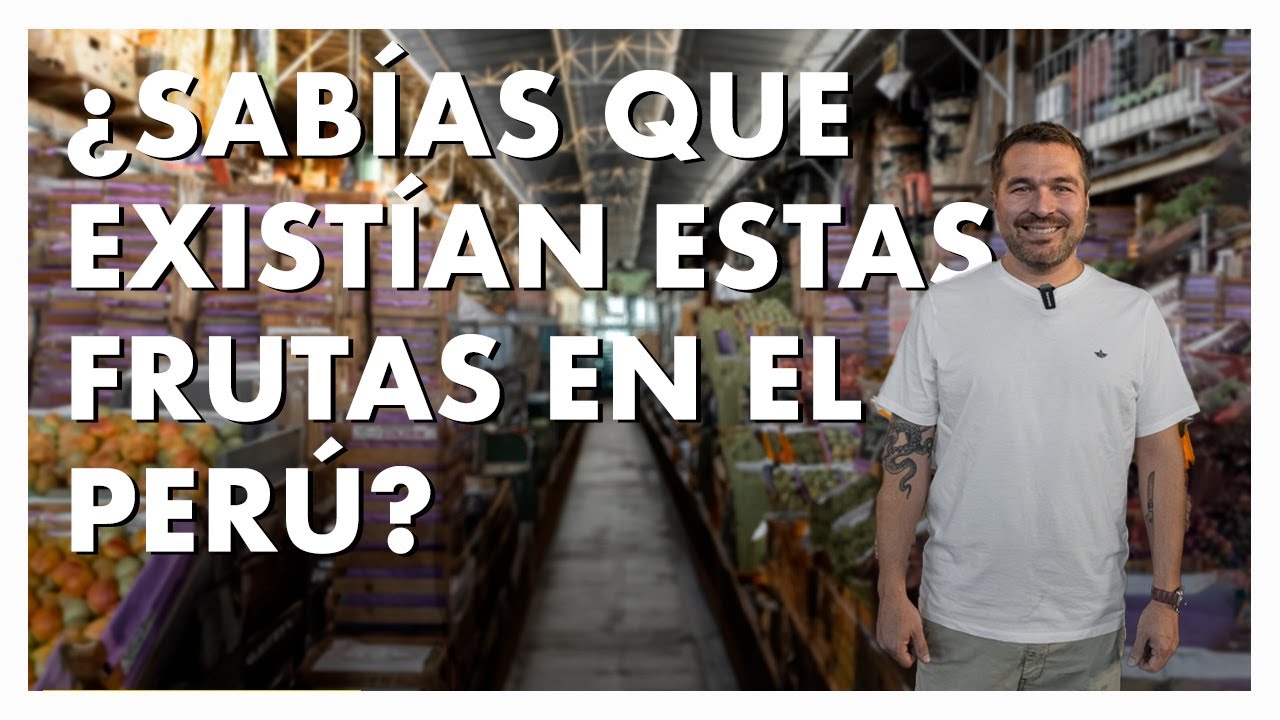
Giacomo Bocchio takes us on a scouting tour of the Lima fruit market at 7 in the morning — checking prices, identifying what is in season, and sharing fascinating facts about Peruvian tropical and exotic fruits. From Amazonian camu camu with 10x more citric acid than lemon, to the ancient tumbo used in the first Peruvian ceviche, to golden granadillas and several varieties of banana, this vlog is a masterclass in Peruvian biodiversity.
Ingredients
- Camu camu
- Blueberries (arándanos)
- Raspberries (frambuesas)
- Aguaje (pulp and paste)
- Sachatomate (tamarillo)
- Goldenberry (aguaymanto / gooseberry)
- Sanki / Sancayo
- Tuna (prickly pear)
- Granadilla
- Watermelon (sandía)
- Strawberries (fresas)
- Banana / Plantain (plátano)
- Papaya
- Mango (green and ripe)
- Chirimoya (cherimoya)
- Guanábana (soursop)
- Pineapple (piña)
- Tumbo (banana passionfruit)
- Manzana cana (non-oxidising apple)
- Melon cobra (cantaloupe)
- Tamarind (tamarindo)
- Dragon fruit (pitaya)
Steps
-
1Arrive at the Lima fruit market early in the morning (around 7 AM) for a scouting tour to check seasonal produce and prices.Tip: Going to the wholesale fruit market at dawn gives you the best selection before the day's stock is picked over. It is also ideal for families to buy in bulk boxes and split them with relatives.
-
2At a stall specialising in tropical and medicinal fruits, examine camu camu — the Amazonian superfruit. Look for the ripe red fruits (pink juice) versus the less ripe ones (white juice). Note the price: S/ 7/kg.Tip: Two to five camu camu fruits provide the Vitamin C equivalent of roughly 20 oranges. It also contains 10x more citric acid than lemon and is a good source of calcium. Peru exports it mainly as a pink paste, popular in Japan.
-
3Inspect blueberries, raspberries, aguaje paste and pulp, sachatomate, aguaymanto (goldenberry), and pitaya at the same medicinal fruit stand.Tip: Peru has become one of the world's top blueberry exporters. Aguaymanto is known as goldenberry internationally and is prized as a superfood.
-
4Examine sanki (sancayo) — a cactus fruit from Tacna similar to prickly pear (tuna) but highly acidic. Note its use in cocktails such as the 'gambeta' mojito variant.Tip: Sanki's intense acidity makes it an excellent citrus substitute in cocktails and acidic preparations. The cocktail 'gambeta' was named in honour of Freddy Gambeta.
-
5Study the tuna (prickly pear) display — at least five colour varieties from Peru. Learn that the cactus also hosts cochineal, a scale insect used to make carmine dye for lipsticks, blush, and textile colouring.Tip: Tuna is known as 'higos de tierra' (earth figs) in Europe. It does not grow in most of Europe, making it an exotic curiosity there.
-
6Visit a granadilla display and pick out ripe fruits. Giacomo eats one or two granadillas daily and keeps them stocked in the El Gran Chef kitchen.Tip: Granadilla belongs to the Passifloraceae (passion flower) family. Look for bright orange skin and feel for a slight give — indicates ripe, juicy interior.
-
7Inspect watermelons at S/ 1.20/kg. Learn to identify which side rested on the ground (pale yellow spot) versus the sun-exposed side.Tip: The best Peruvian watermelons come from the Cinto Valley in Tacna, where cucurbits (watermelon, melon, cucumber family) grow year-round due to the warm climate. A single weekend can see 50–60 watermelons sold at busy stalls.
-
8Examine large, beautiful strawberries (fresones) confirmed to be from Huaraz in the Ancash highlands — not from the coastal town of Huaral as Giacomo initially assumed.Tip: Highland strawberries from Huaraz can achieve remarkable size and flavour due to cooler temperatures and altitude.
-
9Browse a stall dedicated entirely to bananas and plantains. Distinguish between key varieties: bizcocho, manzano (buttery texture, lower sugar — good for elderly or diabetics), and morado (purple banana, used for juice and salads).Tip: The word 'plátano' comes from Greek 'platos' (flat) referring to the plant's wide flat leaf. 'Banana' is an African word introduced globally by Portuguese navigators — which is why some South American countries use 'banana' while others say 'plátano'.
-
10Check papaya prices (S/ 2.50/kg) and learn about the enzyme papain contained in papaya juice. Marinate tough cuts of meat in papaya juice for 10–15 minutes to tenderise them noticeably.Tip: Do not over-marinate — if left too long, papain will completely break down the meat fibres. 10–15 minutes is ideal for tenderising without disintegrating the texture.
-
11Examine green and ripe mangoes. In Lima green mango is underused, but in northern Peru it is commonly eaten in salads and ceviches. Try green mango with lime juice and salt.Tip: Green mango with salt and lime is described as 'alucinante' — a revelation for those who have never tried it. It can substitute green apple in salads for a tropical twist.
-
12Inspect chirimoya at S/ 3/kg and learn its Quechua etymology: 'chiri' (cold) + 'molla' (seed). Correct the common misconception — chirimoya is a highland (serrana) fruit, not coastal. Compare with guanábana, its larger, more acidic Annona family cousin.Tip: Both chirimoya and guanábana are 'nonas' (Annona family). Guanábana is sometimes described as a 'prehistoric chirimoya' — bigger, spikier, more acidic.
-
13Smell and examine ripe pineapples, including small decorative 'piñitas chiquitas' and the Golden pineapple variety. Use fragrance as a ripeness indicator.Tip: A strong, sweet pineapple aroma at the base is the best indicator of full ripeness. The small piñitas, while decorative, should be very sweet.
-
14Examine tumbo (banana passionfruit) — a passion flower family fruit that is highly acidic. Learn that pre-Hispanic Peruvians likely made the first ceviche with tumbo juice before lemons arrived with the Moorish-influenced Spanish colonisers.Tip: The seeds of tumbo are enclosed in a liquid capsule similar to granadilla. Its intense sourness made it a natural acid for 'cooking' raw fish before citrus fruits were available in Peru.
-
15Discover the manzana caña — a variety of apple that does not brown (oxidise) after cutting, due to its low iron content. Ideal for school lunchboxes and fruit salads.Tip: Recommended by nutritionist Nelli Rossinelli for packed lunches. Because it does not discolour, it stays visually appealing for hours after slicing.
-
16Inspect melón cobra (cantaloupe) from the Ica region — another cucurbit like watermelon. End the market visit and head to breakfast with fresh fruit juice.Tip: If in Lima, visit the Mercado de Frutas with family and buy full boxes to distribute among relatives — an economical and generous way to enjoy Peru's extraordinary fruit diversity.
Cultural Context
Lima's wholesale fruit market (Mercado de Frutas) is a hub where restaurants, vendors, and families buy produce at dawn. Peru's extraordinary geographic diversity — coast, highlands (sierra), and Amazon jungle — produces hundreds of fruit varieties unavailable elsewhere. Many Peruvian fruits such as camu camu, aguaje, tumbo, goldenberry (aguaymanto), and chirimoya have deep pre-Hispanic roots and are now sought globally for their nutritional properties. The market culture encourages buying in bulk, sharing boxes among extended family, and connecting with the origin of food — values Giacomo actively promotes.