Dashboard › Browse Recipes › I Visited a Cevichería That Surprised Me | HOY NO COCINO
I Visited a Cevichería That Surprised Me | HOY NO COCINO
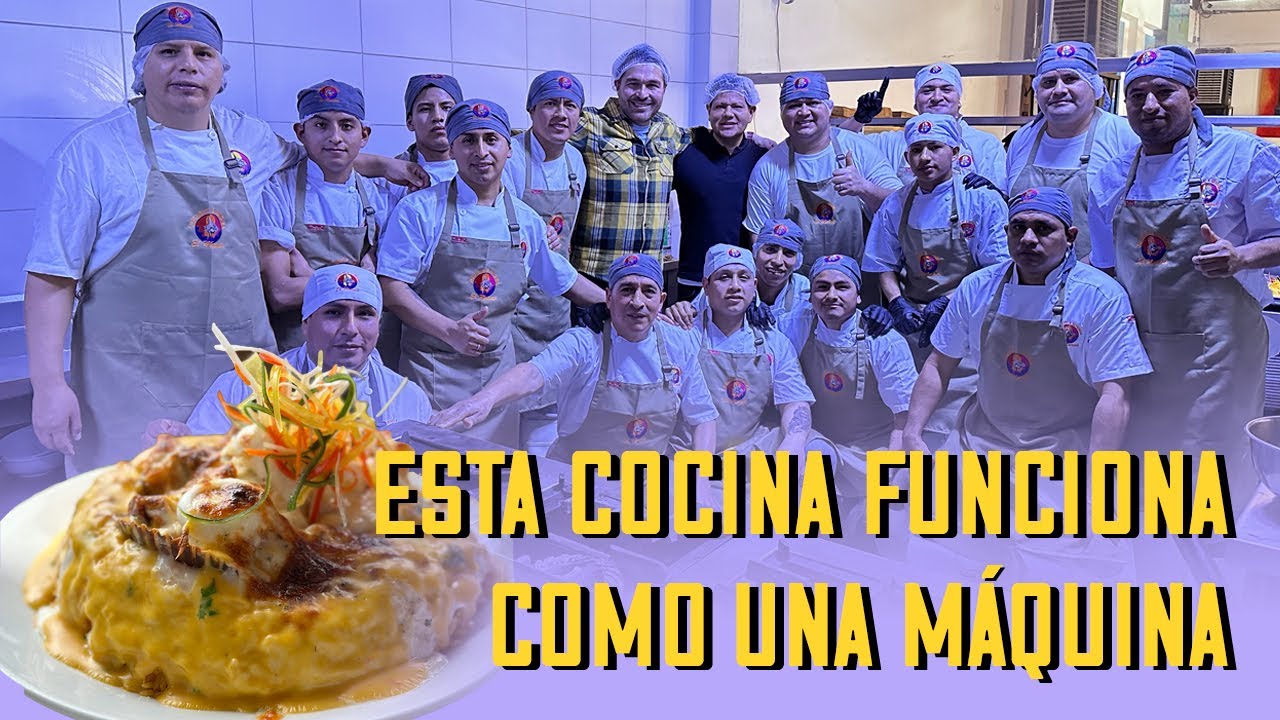
Giacomo Bocchio visits Maratí, an iconic cevichería in Chorrillos, Lima. He tours the massive kitchen with over 25 cooks working in unison, inspects the fresh seafood (lenguado, camarones, calamares, conchas negras, chita, chanque, pulpo), and tastes a range of dishes: ceviche de cangrejo, parrilla marina, arrozco de mariscos risottado, causa acevichada con chicharrón, and a chifa-style tallarín saltado. Giacomo shares insights on what makes a great professional kitchen, the cultural importance of Peruvian cevicherías as family gathering places, and tips on identifying quality seafood.
Ingredients
No ingredients listed
Steps
-
1Arrive at Maratí cevichería in Chorrillos and observe the scale: a huge dining room serving over 100 guests per service, two floors with 225 and 180 seats respectively, and a kitchen staffed by more than 25 cooks.Tip: A well-run large-scale kitchen is like a ballet — every cook knows exactly what to do and each station coordinates with the others to deliver dishes simultaneously.
-
2Inspect the fresh seafood mise en place: whole lenguado (flounder), chita (snapper), calamares, jumbo langostinos, camarones peruanos, pulpo, and conchas negras — plus uncommon shellfish like chanque and tolina that set this cevichería apart.Tip: Identify lenguado (flounder) by the slight curve in its white belly — lengüeta (sole) is straight. Also, the head of lenguado comes to a sharp point. In other parts of the world lengüeta is called 'sol' or 'sole'.
-
3Tour the kitchen stations: the fry station with four simultaneous fryers handling chicharrón de calamar and langostino; the grill/parrilla station for lomo saltado and parrilla dishes; the hot station for arroces, sopas, chupes, pastas; and the ceviche prep area where 30 kg of onion have been sliced for the day.Tip: In a professional cevichería kitchen, each station must coordinate with the others so that all components of a multi-dish order arrive at the table at the same time. This synchronized teamwork — the 'engranaje' — is what separates a great kitchen from a mediocre one.
-
4Observe the seafood mise en place for the ceviche station: pre-sliced pulpo, cooked langostinos, cleaned calamares, sliced ají amarillo, culantro, rocoto base, and fresh conchas negras — all organized and ready for service.Tip: This pre-service organization is called 'mise en place'. Having everything ready and portioned before service begins is what allows a kitchen to fire 20–30 plates simultaneously within 10–15 minutes.
-
5Taste the ceviche de cangrejo: ceviche topped with crab claws arranged around the plate, served alongside a causa acevichada with chicharrón de marisco and two creamy sauces. Note the leche de tigre color — green but not too green, pulling toward yellow.Tip: A ceviche's leche de tigre color tells you about the balance between ají amarillo and culantro. A slightly yellow-green tone indicates a well-balanced citrus-based tiger's milk rather than one dominated by herbs.
-
6Taste the parrilla marina and observe the octopus cutting technique: the tentacles are sliced butterfly-style (opened lengthwise down the middle), doubling the surface area in contact with the grill for a stronger Maillard reaction and more flavor.Tip: Cutting octopus tentacles butterfly-style before grilling maximizes the contact surface area with the heat source. Same amount of octopus — significantly more caramelization and flavor.
-
7Taste the arrozco de mariscos: a traditional Peruvian seafood rice prepared risotto-style — cooked creamy ('arrisotado'), then gratinéed on top with the seafood arranged as a timbal, finished with a rich house seafood sauce.Tip: The risotto technique applied to arroz con mariscos creates a creamier, more cohesive texture than the traditional version. The gratinéed top adds textural contrast.
-
8Taste the tallarín saltado chifa-style with langostinos, chancho (pork), pato (duck), and oreja de árbol mushroom. Note that 'oreja de árbol' is a wood ear mushroom — not an algae as many diners assume — with a distinctive chewy texture.Tip: Wood ear mushroom (oreja de árbol / Auricularia auricula-judae) is commonly mistaken for seaweed in chifa dishes. It's a fungus prized for its gelatinous, slightly crunchy texture and its ability to absorb surrounding flavors.
-
9Reflect on what makes this cevichería exceptional: (1) each dish has its own distinct flavor identity rather than tasting like variations of one mother sauce; (2) flavors are intense but well-balanced; (3) portions are generous and contundente in the Peruvian tradition; (4) the kitchen team operates as a precise, unified machine.Tip: The best cevicherías use mother sauces as a base but apply them with enough individual seasoning and technique per dish that each plate feels like a distinct culinary world. Avoid kitchens where everything tastes like it came from the same pot.
-
10Giacomo gifts the owner William a bottle of Livo — his personal Tacna-origin Peruvian olive oil — recommending it for arroz con mariscos, tacu tacu, and pulpo al olivo. The episode closes with mutual recognition of the importance of preserving Peru's gastronomic traditions for future generations.Tip: Peruvian olive oil from Tacna is world-class — the region's climate produces olives with exceptional fruitiness. It pairs naturally with seafood dishes and is an underrated finishing oil for ceviches and arroz con mariscos.
Cultural Context
Maratí is a long-established, emblematic cevichería in Chorrillos, a coastal district of Lima known for its seafood culture. The restaurant seats over 400 guests across two floors and runs a kitchen of 25+ cooks organized into specialized stations — fry, grill, hot dishes, and ceviche prep. This style of large-format, family-oriented cevichería is a cornerstone of Lima's food identity, serving generations of families on Sundays and special occasions. The restaurant reflects the Peruvian value of 'contundente' — generous, satisfying portions made with quality fresh seafood — and also incorporates regional Peruvian touches such as Arequipeñan cebollas and northern (Piuran/Chiclayana) cook influence, as well as chifa (Peruvian-Chinese) preparations that are a hallmark of Lima's unique culinary fusion.