Dashboard › Browse Recipes › Visiting Chifa Hakka with Chef Pati Chong — HOY NO COCINO
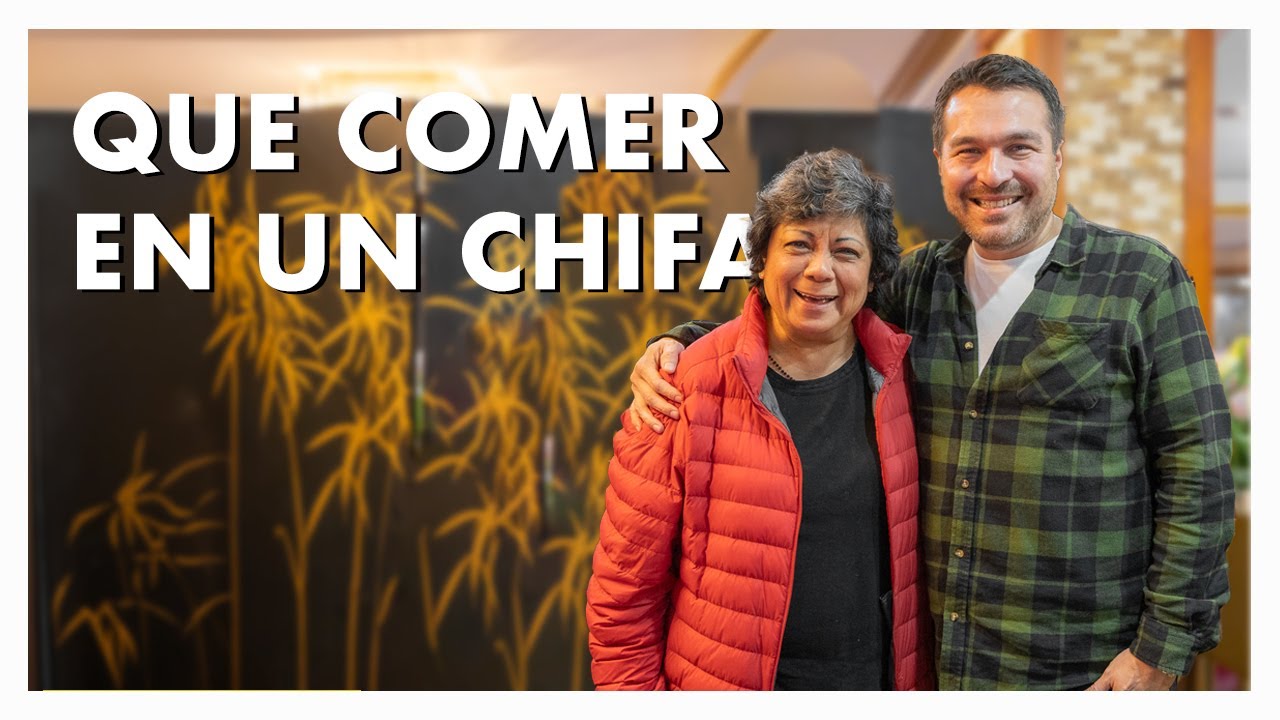
Visiting Chifa Hakka with Chef Pati Chong — HOY NO COCINO
Giacomo Bocchio visits Chifa Hakka restaurant with renowned Chinese-Peruvian chef Pati Chong, letting her choose the entire menu. The episode is packed with insider knowledge: the multi-stage fermentation process behind sillao (soy sauce), the difference between chichon fan and rice noodles, the velveting technique for silky meat, how sweet-and-sour ribs are made, and why chaufa has become as Peruvian as lomo saltado. A culinary tour of Chifa cuisine guided by one of its leading experts.
Ingredients
No ingredients listed
Steps
-
1Understand what Chifa is: a uniquely Peruvian-Chinese cuisine born from Cantonese immigration. The word 'chifa' itself comes from the Cantonese for 'to eat rice.' When visiting a chifa restaurant, let an expert guide the order — the menu is broad and ordering well requires experience.Tip: Chef Pati Chong recommends ordering a mix of dim sum (piezas pequeñas) and main dishes (fondos) to explore the full range of the cuisine.
-
2Learn the artisanal fermentation process of sillao (soy sauce). Start with soybeans hydrated until tripled in size, then cook them. Mix with toasted wheat flour and rice flour, then ferment in a warm room for 60–90 days until a mold culture forms. The table will feel warm to the touch from the exothermic fermentation. This first fermentation yields 'san chao' — the lighter sillao claro.Tip: The fermentation is exothermic — it releases heat. Chef Pati's father used to note the table was warm to the touch, a sign of an active, healthy fermentation.
-
3To make sillao oscuro (dark soy sauce), after straining off the sillao claro, add molasses (melaza de caña) and more brine to the remaining soy paste and ferment again. Each additional fermentation round — with more molasses and brine added — produces progressively darker, thicker, and more complex soy sauce. The final residue becomes 'men', a dark soy paste that keeps indefinitely in a jar.Tip: A well-made 'men' paste can be preserved for generations — Chef Pati's family has kept theirs across multiple generations.
-
4Understand chichon fan (rice-flour rolls): the name means 'pig intestine' in Cantonese, describing its shape. The dough is made from non-glutinous rice flour, sometimes mixed with yuca starch for extra flexibility and that characteristic chewy-slippery texture. It is different from har gow dough. The same dough, when cut and dried, becomes rice noodles (haaj fan) for dishes like 'seco' preparation.Tip: The fécula de yuca (yuca starch) is key to the silky, slightly chewy texture — it makes chichon fan stretch without breaking.
-
5Prepare the 'chulon' or 'dragón' dumpling: a soup dumpling filled with broth that explodes in the mouth when bitten. The name 'dragón' refers to the hot liquid that comes out when you bite in, like a dragon breathing fire. Unlike chichon fan, the chulon wrapper is made from wheat flour dough. Always eat the entire dumpling in one bite to avoid spillage.Tip: The dumpling is served in small metal cups to contain the liquid inside — once you take it out, eat it immediately in one bite.
-
6Master the Chifa meat-tenderizing technique (velveting): marinate the meat with baking soda, starch (fécula), a little liquid, and optionally egg white. Let it soak so the meat absorbs moisture. During the high-heat stir-fry, the starch seals the surface and traps the extra moisture inside, creating a silky, tender texture reminiscent of seafood — even on tough cuts like lomo.Tip: Baking soda is the key alkaline agent that breaks down muscle fibers. Combined with starch and liquid, it transforms any cut of meat into something silky and tender in minutes.
-
7Cook green vegetables (choi sum / chaom) the Chifa way: blanch them first to set the color and partially cook, then stir-fry quickly with garlic at high heat. Blanching green vegetables removes excess chlorophyll bitterness and ensures even cooking before the fast wok finish.Tip: Blanching is essential for green vegetables in chifa — it keeps them bright green and prevents them from turning bitter or dull in the wok.
-
8Understand chifa stir-fry intensity: the wok burner in a chifa kitchen burns extremely hot. Stir-fries can take as little as 12–20 seconds from start to finish. This requires total concentration and practiced hand movements. The cook must work with love and precision — any distraction results in burnt or unevenly cooked food. This is why chifa is considered one of the most intense kitchen environments.Tip: Chef Pati says: 'You need to do it with all your heart (con todo el cariño)' — distraction is the enemy of a good stir-fry.
-
9Make sweet-and-sour ribs (costillas agridulces): fry the ribs first, then prepare the agridulce sauce with ketchup, vinegar, and sugar. Optionally add a touch of ají for heat. Toss the fried ribs in the sauce. For extra crunch, use a double-fry technique as with the cruo (wonton). The sauce can also be made with just vinegar and garlic for a simpler version.Tip: Double-frying ensures the crust stays crisp even after being coated in sauce — a technique shared with cruo (fried wontons).
-
10Know your chaufa (Peruvian fried rice): chaufa comes from the Cantonese 'chao fan' (stir-fried rice). In China it can be very simple — just rice, egg, and a little seasoning. In Peru it evolved into a richer, more loaded version with carrots, peas, soy sauce, and various proteins. It has become so embedded in Peruvian culture that families cook it once a week — as national as lomo saltado. Always pair chifa with hot tea to cleanse the palate between dishes.Tip: Tea is not optional in a proper chifa meal — it helps you eat more, enjoy more, and perceive flavors much better between bites.
Cultural Context
Chifa is the Peruvian-Chinese culinary fusion that emerged from the large wave of Cantonese immigrants who arrived in Peru in the mid-19th century. The word 'chifa' is believed to derive from the Cantonese 'chi fan' (to eat rice). Over generations, Chinese techniques and ingredients blended with Peruvian produce and palates, creating a wholly unique cuisine. Dishes like chaufa (fried rice), lomo saltado, and tacu tacu show this deep cross-cultural exchange. Chef Pati Chong, whose family carries direct lineage to early Chinese-Peruvian restaurateurs, is one of the foremost authorities on authentic Chifa technique. In this episode she explains the artisanal fermentation of sillao (soy sauce) — a process of three or more fermentation rounds that yields products from pale claro to deeply dark oscuro — a knowledge often passed down across generations within Chinese-Peruvian families.