› Browse Recipes › Homemade Bacon
Homemade Bacon
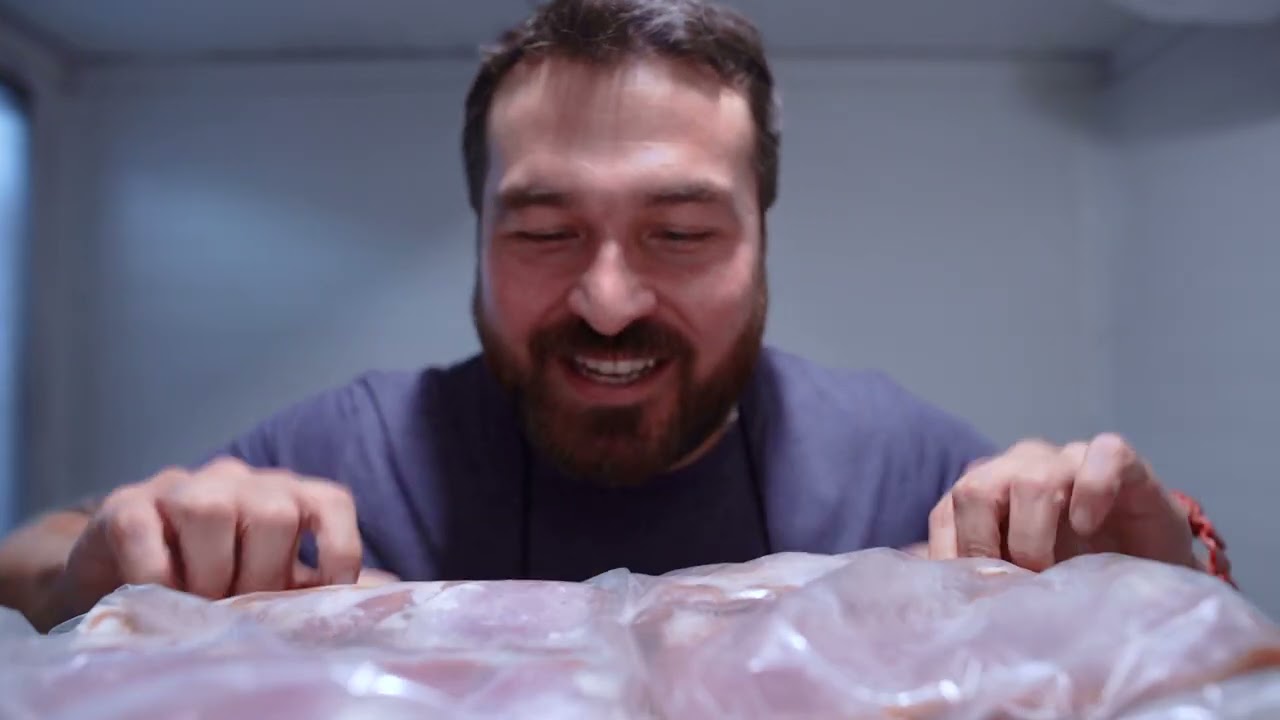
A two-stage artisanal bacon made entirely from scratch at home. Pork belly is dry-cured with salt, sugar, and curing salt (sodium nitrite) for 7 days in the refrigerator to draw out moisture, then cold-smoked over wet apple wood at 130–150°C for 35–40 minutes. The result is deeply flavored, naturally colored bacon free of industrial additives, perfect for sandwiches, burgers, carbonara, eggs, or braised legumes.
download Extracted 2026-03-31
Ingredients
Dry Cure Mix
- g Kosher salt (sodium chloride) (weighed according to cure ratio for meat weight)
- g Sugar (weighed according to cure ratio for meat weight)
- g Curing salt (Prague powder / sodium nitrite) (use in very small quantity as directed by standard cure ratios; highly concentrated)
- Black pepper (ground or cracked, to taste) opcional
Main
- 3410 g Pork belly (skin-on) (whole slab, some pieces left with rib bones attached)
Smoking
- Apple wood chunks (wet / soaked) (soaked in water before use so they produce maximum smoke rather than burning quickly)
- Charcoal (lit, at embers stage) (prepared in advance in a barrel/cylinder smoker until glowing embers)
Steps
-
1Weigh the pork belly slabs. Mix the dry cure ingredients (salt, sugar, and curing salt) in the correct proportions for the total weight of the meat. Add cracked black pepper to the mix.Tip: Giacomo shows the proportions on screen. Use a standard equilibrium cure ratio (e.g., ~2–2.5% salt, ~1% sugar, and 0.25% curing salt by weight of meat). The sodium nitrite amount is very small — measure precisely.~15 min
-
2Rub the dry cure mixture thoroughly all over the pork belly slabs, coating every surface evenly.Tip: Make sure to cover the sides and any exposed meat. Some pieces can be left with rib bones still attached — these are great for flavoring legume stews later.~10 min
-
3Place each rubbed slab into a large ziploc (resealable) bag, removing as much air as possible. Seal tightly.Tip: Removing air limits oxygen exposure — one of the three enemies of food preservation (along with light and water).~5 min
-
4Refrigerate the sealed bags for 7 days. Each day, flip and turn the bags so the liquid that drains from the meat redistributes and continuously coats all surfaces.Tip: The meat will release a significant amount of water over the 7 days — this is the dehydration process working. Keep the fridge light off whenever possible to minimize light exposure.~10080 min
-
5After 7 days, remove the cured belly slabs from the bags. Rinse if desired, then pat dry. The meat should have a firm texture and a deep reddish-pink color from the cure.Tip: The pink color is a sign the sodium nitrite did its job correctly. If the meat still looks completely grey or brown throughout, the cure may not have penetrated evenly.~10 min
-
6Prepare a barrel or cylinder smoker with a bed of lit charcoal brought to glowing embers. Place the soaked apple wood chunks on top of the hot coals so they begin to produce dense smoke.Tip: Wet apple wood produces much more smoke than dry wood. Maintain the smoker temperature between 130–150°C (265–300°F).~15 min
-
7Place the cured pork belly slabs in the smoker. Smoke at 130–150°C for 35–40 minutes until the surface takes on a beautiful smoked color and aroma.Tip: This is a hot-smoke process, not cold smoke. The internal temperature should reach at least 65°C (150°F) for food safety. The short smoke time at this temperature is sufficient for this style of bacon.~40 min
-
8Remove the finished tocino from the smoker and allow it to rest and cool. Slice to desired thickness. Serve with eggs and bread, use as a sandwich or burger topping, add to carbonara, or simmer whole pieces (especially bone-in sections) with dried beans, lentils, or chickpeas.Tip: Bone-in pieces of the cured and smoked panceta are exceptional for slow-cooking with legumes — they impart incredible depth of flavor to the whole pot.
Cultural Context
Home-cured meats (charcutería artesanal) are a deeply rooted tradition in European and Latin American cooking. Giacomo Bocchio champions the artisanal approach over industrial production, emphasizing that homemade bacon contains no unnecessary chemicals beyond the minimal curing salts required for food safety. Sodium nitrite (Prague powder / sal de cura) is used in tiny quantities to inhibit bacterial growth, ensure food safety, and give cured meats their characteristic pink color — the same compound responsible for the rosy hue in jamón york and other deli meats. The smoking stage, performed at Bocchio's rooftop 'Techo de Porco', adds the aromatic complexity that defines bacon.