Dashboard › Browse Recipes › How to Give Great Restaurant Service — Elevate Your Culinary Game
How to Give Great Restaurant Service — Elevate Your Culinary Game
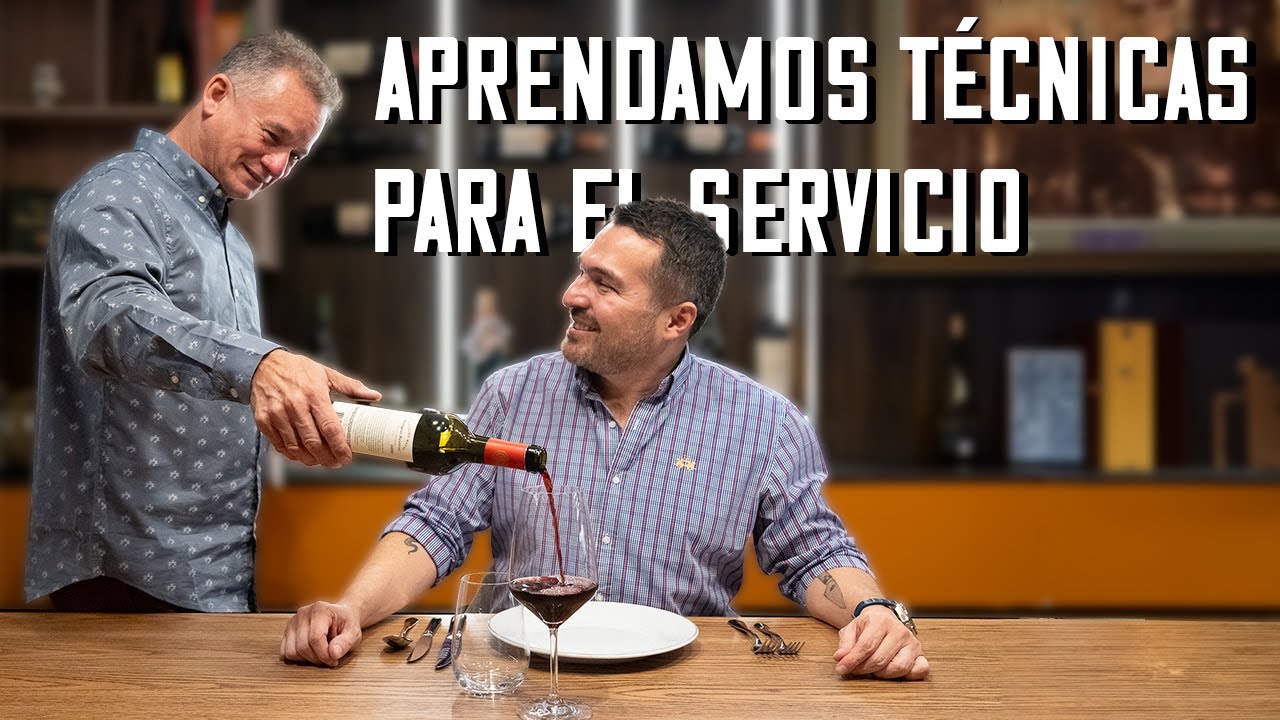
Giacomo Bocchio invites his former culinary school service professor, Eduardo León, for an in-depth masterclass on restaurant service and hospitality. Together they cover the philosophy behind hospitality versus mere service, proper table setting for a multi-course meal, cutlery placement logic, glassware arrangement, napkin textile quality, wine pouring technique from bottles and decanters, and how to handle mistakes gracefully. Eduardo shares over 30 years of front-of-house experience, emphasizing that great service is about passion, connection, and making guests feel welcomed — not just carrying plates.
Ingredients
No ingredients listed
Steps
-
1Understand the difference between service and hospitality: service is carrying things from kitchen to table, while hospitality is taking responsibility for a guest's happiness while they are under your roof.Tip: Focus on the guest experience, not just task completion. Tips and rewards follow naturally from genuine care.
-
2As a server, learn the menu thoroughly — you are a sales representative for the restaurant. Know every dish so you can confidently guide guests.Tip: Always double-check (reconfirm) the order with the guest to avoid costly mistakes, like the Moët vs. Chandon argentino anecdote.
-
3Practice the art of acting: even on bad days, greet guests with a smile and positive energy. Service is like theater — when the restaurant doors open, the show begins.Tip: The best restaurant is the one that makes the fewest mistakes. Strive to minimize errors rather than aiming for perfection.
-
4Set the table following the 60cm rule: each place setting occupies approximately 60cm of space — this is a worldwide standard. Place knives and spoons on the right side, forks on the left.Tip: All table protocol is designed for right-handed people, as historically the knife was the first tool humans wielded for defense.
-
5For a pre-set menu (menú concertado), place all cutlery before the meal begins. Arrange from outside in: the outermost cutlery corresponds to the first course. Dessert cutlery goes above the plate — spoon on the right side, fork handle to the left.Tip: The spoon goes to the right because the right hand brings it to the mouth; the fork assists from the left.
-
6Arrange glassware in a triangle formation: water glass, white wine glass, and red wine glass. If an aperitif is served, place its glass in front since it will be consumed and removed first.Tip: This triangle arrangement takes up less space than placing glasses in a line.
-
7When serving wine, always show the label to the guest. For white wine (from champagne bucket), lift the bottle and make a turning motion when finishing the pour to prevent drips. Wipe the bottle with a napkin before returning it.Tip: White wine is poured in smaller quantities than red wine. The lifting and twisting motion ensures drips fall back into the bottle, not on the tablecloth.
-
8For decanting wine, use the artichoke (alcachofa) napkin fold technique to present the decanter elegantly on a plate. This adds a professional touch and protects the table from drips.Tip: The same napkin technique works for champagne buckets to prevent water from wetting the tablecloth.
-
9Know your materials: linen napkins are elegant but wrinkle easily; cotton drill is a good middle ground; polyester looks good but is plastic-derived. For glassware, crystal is porous and helps release wine aromas when swirled, while regular glass is smooth and does not.Tip: Crystal glasses are thinner, more transparent, and produce a distinctive sound when clinked.
-
10Serve and clear plates from the right side. Modern hospitality research shows 70% of diners naturally lean right, giving the server access. When clearing, remove the used cutlery along with the plate for that course.Tip: Service protocol evolves — the old rule of 'serve right, clear left' has been updated by major hotel chains based on consumer behavior studies.
-
11The bread plate goes on the left side with a butter knife. Never cut bread with a table knife — bread should always be broken by hand. Placing it on the left keeps it away from the main cutlery.Tip: Cutting bread with a knife is a common faux pas that looks pretentious. Keep it simple.
-
12Build connection with guests through charisma and a genuine smile from the start. If a mistake happens (like spilling wine), stay calm, assess the guest's reaction, and never touch the guest physically. A smile and sincere apology go further than panic.Tip: Never escalate a mistake by being overly physical or intrusive. Read the guest and respond accordingly — some will be understanding, others will not.
Cultural Context
In Peru, culinary culture heavily celebrates chefs and cooking, but the art of service (front-of-house) remains undervalued and under-recognized. Giacomo highlights this gap by bringing in Eduardo León, a veteran maître d' who trained generations of Peruvian hospitality professionals. The conversation touches on how in countries like the United States, waiting tables is a respected way to fund education, while in Peru there remains a social stigma around service work. The video reflects a growing movement in Peru's gastronomy scene to elevate service professionals alongside chefs, recognizing that true hospitality — caring for a guest's happiness under your roof — is what transforms a good restaurant into a great one.