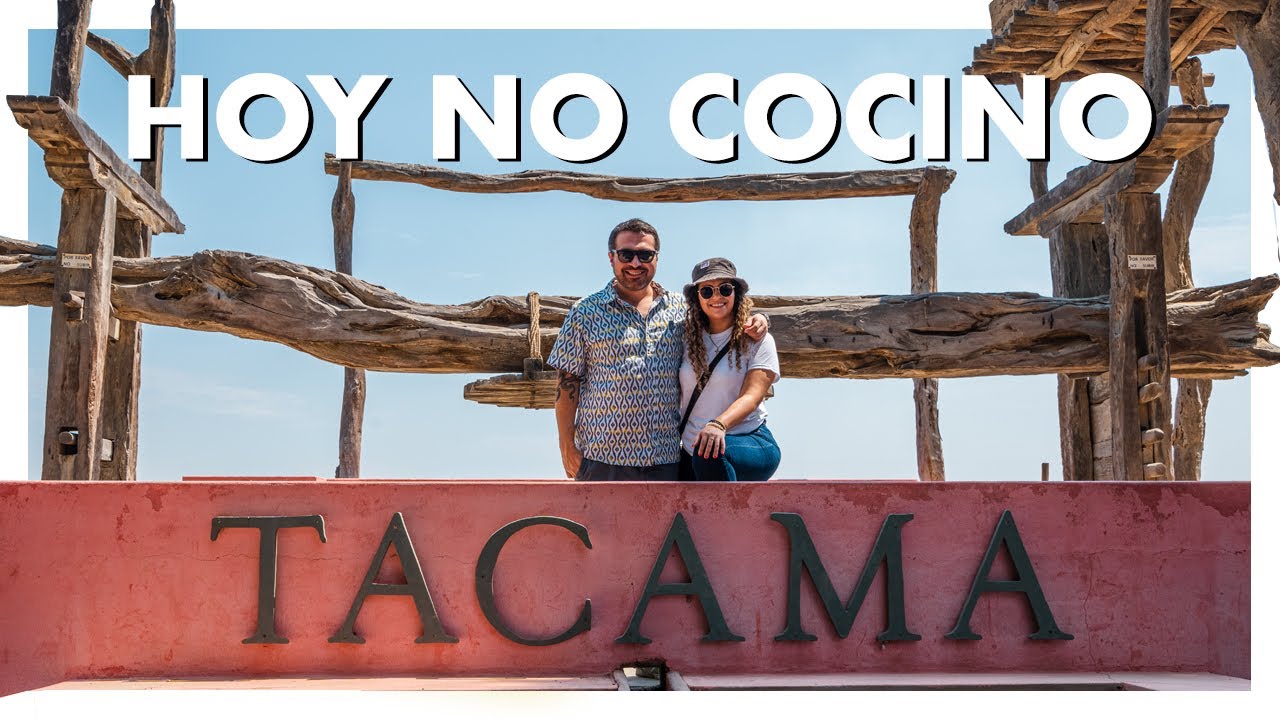
Discovering Winemaking in Ica – Tacama Vineyard Tour
Giacomo Bocchio visits the historic Tacama winery in Ica, Peru, guided by the owner's daughter Sofía. The tour covers century-old albilla and quebranta grapevines planted in 1892, the three irrigation methods used (flood, drip tape, and furrow), the science of ampelography (leaf-based grape identification), and how the 2007 earthquake forced Tacama to modernize their facilities. French-trained enologist Carlitos explains harvest logistics — hand-picking 30,000–50,000 kg daily in small 3,000 kg lots for freshness — and the tradeoffs between concrete and stainless steel fermentation tanks. The episode also features Tacama's on-site restaurant, where chef Gustavo Luna serves slow-cooked regional cuisine paired with house wines, including fresh green pallares from Ica and wood-fired chapla bread.
Ingredients
Steps
-
1Arrival at Tacama winery in Ica and welcome pisco cocktail made with albilla grape wine (vino de aguja — a lightly sparkling wine with gentle bubbles, not a full espumante).Tip: A good welcome cocktail should be refreshing and not overly sweet — the natural fruit sweetness should carry it.
-
2Tour of the wood-fired bread oven where chapla bread is made with a basic dough of flour, water, salt, and olive oil. The standardization of the process combined with the artisanal nature of a wood-fired oven creates unique results.Tip: Controlling fire in a wood-burning oven is a completely different skill than using a conventional oven with temperature buttons.
-
3Visit to the century-old albilla vineyard (planted 1892). Learn that grapevines need at least 15–30 years to produce quality wine grapes, and these centenarian vines produce exceptional fruit. Tacama uses clonal (nasal) reproduction from their best old vines to propagate new plantings.Tip: Albilla has been 100% Tacama's own variety — all current plantings trace back to the original 1892 vines.
-
4Learn about Tacama's three irrigation methods: flood irrigation, drip tape, and furrow irrigation. Only 8–9 irrigations per year across 12 months — deliberately stressing the vines to produce better fruit under Ica's intense sun.Tip: Controlled water stress forces the vine to concentrate its energy into fewer, higher-quality grapes rather than excessive leaf growth.
-
5Ampelography lesson: Tacama grows 22 grape varieties, each identifiable by leaf characteristics — vein patterns, size, color, and texture. Quebranta leaves have a distinctive velvety (aterciopelado) underside. This centenarian quebranta is used for Pisco Demonio de los Andes.Tip: Owls (lechuzas) in the vineyard are a good sign — they control rodents and pests naturally, reducing the need for pesticides.
-
6Tour of the winery facility. Since the 2007 earthquake destroyed the old bodega, Tacama rebuilt with modern stainless steel tanks. Concrete tanks have better thermal mass (heat/cool slowly) but stainless steel is easier to clean. Tacama has tested over 80 grape varieties since the 1960s to find which adapt to Ica's climate and soil.Tip: Having vineyards adjacent to the winery means grapes go from vine to processing within minutes — harvested by hand in small 3,000 kg lots throughout the day rather than waiting to accumulate large batches.
-
7Lunch at Tacama's restaurant featuring regional cuisine by Chef Gustavo Luna: fresh green pallares (lima beans) in salad, wood-fired chapla bread (best eaten by dipping in the pallar salad), and slow-cooked dishes with 24–48 hour preparations. The kitchen philosophy is 'sincere, frank cooking' with proper time for macerations and slow cooking.Tip: Fresh green pallares are completely different from dried rehydrated ones — they are a fresh legume with a distinct flavor profile unique to Ica.