› Browse Recipes › No-Oven Bread Pudding (Stovetop Bain-Marie)
No-Oven Bread Pudding (Stovetop Bain-Marie)
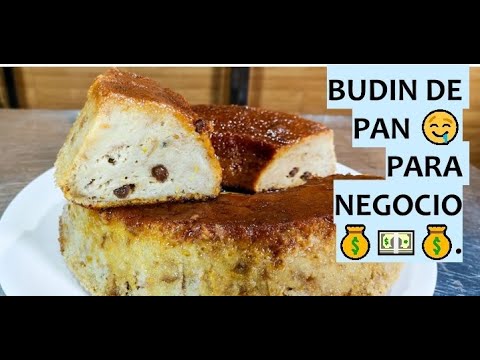
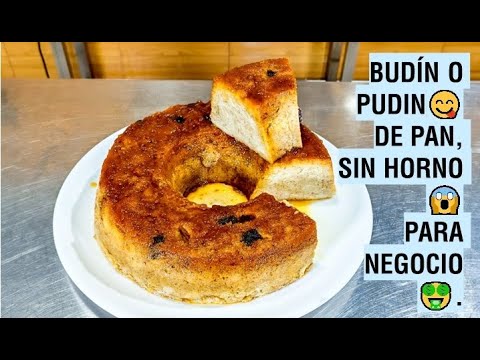
A traditional Peruvian-style bread pudding cooked entirely without an oven — using a stovetop bain-marie at 80–85°C for 1 hour 20 minutes. Made with day-old bread, whole milk, raisins, pisco, lemon zest, cinnamon, vanilla, and seven eggs. A true cocina de aprovechamiento (waste-not cooking).
download Extracted 2026-04-01
Ingredients
Caramel
- 250 g Brown (raw) sugar (for caramel) (Brown sugar preferred for better flavor in the caramel)
- 150 g Water (for caramel)
- 3 g Lemon juice (for caramel) (Prevents crystallization)
Pudding Base
- 300 g Day-old bread (hard, 2–3 days old) (Cut into cubes. Any type of bread — ciabatta, white roll, etc. Do not remove the crust.)
- 1000 ml Whole milk (UHT) (1 liter total (two 500ml portions))
- 550 g Eggs (large, whole) (Approximately 7 large eggs (or 550g by weight). Beaten together with sugar.)
- 200 g Brown sugar (for pudding) (Mixed directly into the beaten eggs)
- 70 g Raisins (seedless) (Rehydrated in hot water, drained and rinsed. Then macerated in 1 oz (30ml) pisco for extra aroma.)
- 30 ml Pisco (1 oz — for macerating the raisins) optional
- to taste Lemon zest (From the lemon already used for the caramel — waste-not cooking)
- 1 tsp Ground cinnamon (One teaspoon)
- 10 ml Vanilla extract (Two teaspoons (2 x 5ml))
- pinch Ground cloves (optional) (If available — adds warmth) optional
Serving
- to taste Whipped cream (chantilly) (For serving — optional) optional
Steps
-
1Make the caramel: combine 250g brown sugar, 150g water, and 3g lemon juice in a saucepan over medium heat. The lemon juice prevents crystallization — once it is in, do not stir. Let the water evaporate until the caramel reaches 167°C or takes on a slightly darker color than flan caramel (traditional for bread pudding). Turn off immediately.Tip: Bread pudding caramel is traditionally darker than flan caramel — that slight bitterness is part of the classic flavor profile.~10 min
-
2Pour the hot caramel into a mold. Using a cloth, carefully tilt and swirl the mold to coat the sides as well as the base. Allow to cool completely — the caramel must be cold and set before adding the pudding mixture.Tip: Handle the hot mold with great care — caramel burns are severe. Coating the sides ensures the pudding releases cleanly and looks beautiful when unmolded.~10 min
-
3Cut 300g of hard day-old bread into cubes and place in a bowl. Pour 1 liter of whole milk over the bread. Press and work the bread with a whisk or hands to ensure it absorbs all the milk. Leave to soak for 10 minutes, pressing again halfway through.Tip: The crust adds texture and flavor — do not remove it. The bread will still have some hard spots at first; they will soften fully after soaking.~12 min
-
4Rehydrate 70g raisins in boiling water for a few minutes. Drain and rinse. Transfer to a small bowl and add 30ml pisco. Let macerate while you prepare the rest.Tip: The pisco gives the raisins a fruity, magical aroma that elevates the whole pudding. You can substitute with rum.~5 min
-
5Beat 7 eggs (550g total) in a bowl together with 200g brown sugar until the sugar dissolves and the yolks break. Strain through a fine sieve to remove any shell fragments. Pour the strained egg mixture over the soaked bread. Add lemon zest, 1 tsp ground cinnamon, 10ml vanilla extract, and a pinch of ground cloves if available. Mix well by hand.Tip: Always strain the egg mixture — a piece of shell in the pudding is a poor experience for any customer.~8 min
-
6Add the pisco-macerated raisins (including the pisco) to the bread mixture and fold in with a light stir. Pour the entire mixture into the caramel-lined mold.~2 min
-
7Set up the stovetop bain-marie: place a wet dishcloth or sponge at the bottom of a large pot (to prevent the mold from touching the metal directly). Place the filled mold on top. Add enough water to reach halfway up the sides of the mold. Cover with a lid. Heat the water to 80–85°C over medium heat, then reduce to the lowest flame to maintain that temperature. Cook for 1 hour and 20 minutes.Tip: The bain-marie water should be at 80–85°C — not a rolling boil. At 80–85°C the egg yolk proteins set fully and any salmonella is eliminated. If in a high-altitude province, water may not exceed 90°C, but that is still sufficient.~80 min
-
8Test doneness: insert a metal skewer or needle into the center. Leave for 3 seconds, withdraw — it should come out clean and feel warm (not cold or wet). The pudding will have risen slightly. Turn off heat.Tip: If the skewer comes out wet and cold, the pudding needs more time. If it comes out dry and very hot, you may have overcooked it slightly — not harmful, just a firmer texture.~2 min
-
9Let the pudding cool at room temperature for 1 hour, then refrigerate for at least 4 hours (or overnight for best results). To unmold: run a knife around the edges and flip onto a plate. Serve sliced, with optional chantilly cream or the caramel from the mold poured over the top.Tip: The longer it rests in refrigeration, the more the flavors develop and the caramel liquefies into a sauce. Overnight is ideal.~300 min
Nutrition (per serving)
320
Calories
8g
Protein
48g
Carbs
10g
Fat
1g
Fiber
Cultural Context
This no-oven version of Peruvian bread pudding is ideal for home cooks and street food vendors without oven access — the stovetop bain-marie reaches sufficient temperature to safely set custard-based dishes. Victor Heredia emphasizes the 'cocina de aprovechamiento' (waste-not cooking) philosophy: bread from 3 days prior, the leftover lemon from the caramel, raisins soaked in pisco for a distinctly Peruvian touch. The caramel is cooked darker than for flan — a traditional characteristic of classic Peruvian bread pudding.
Victor Heredia
BUDIN O PUDING DE PAN SIN HORNO #streetfood #facil #rico #family #comida
Watch on YouTube →