› Browse Recipes › Beef Steak a la Chorrillana (Bistec de Res a la Chorrillana)
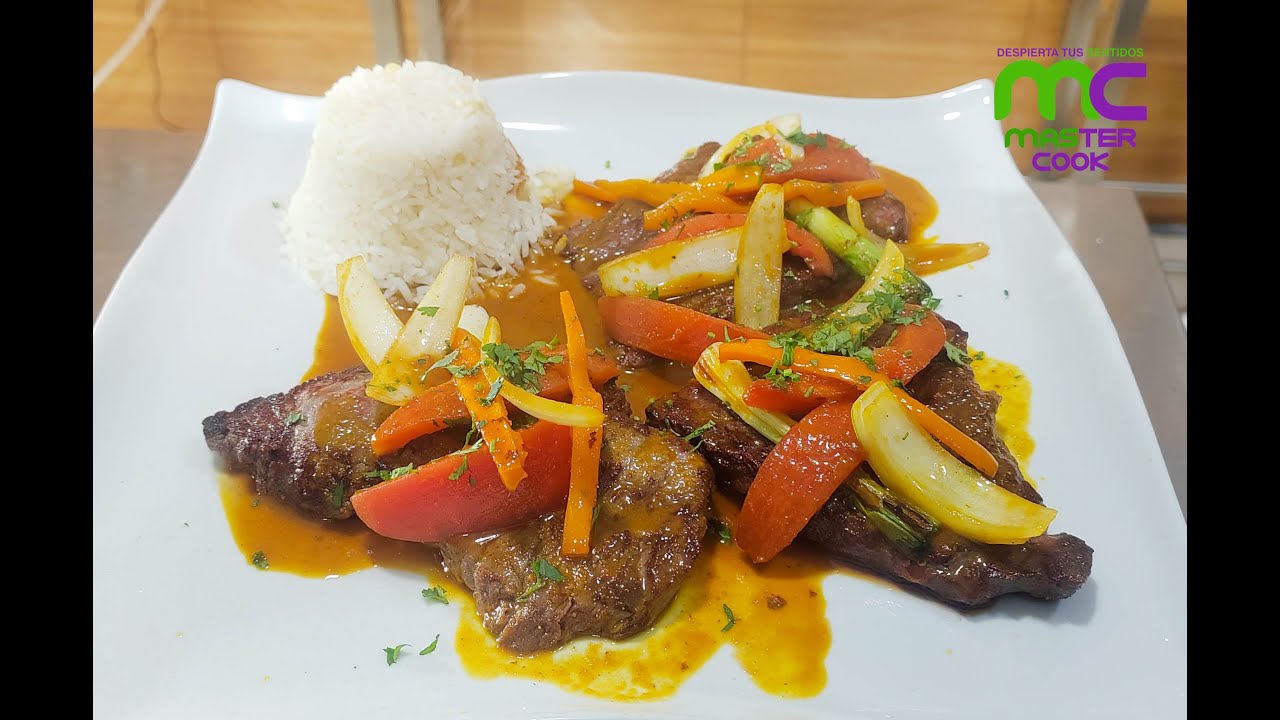
Beef Steak a la Chorrillana (Bistec de Res a la Chorrillana)
Tenderized beef escalopes seared in olive oil, served over white rice and topped with al-dente sautéed chorrillana vegetables (onion, ají amarillo, tomato) and a strained golden chorrillana sauce made from ají amarillo paste, tomato, garlic, onion, chicha de jora, water, and vinegar. Finished with culantro and a pisco flambe for a smoky aroma.
download Extracted 2026-04-01
Ingredients
Beef
- 350 g Beef fillet or sirloin (ternera / res) (Cut into 3 escalopes of uniform thickness; tenderize by pounding with a meat mallet)
- 3 g Salt (for seasoning meat) (Applied before searing; use 1% of meat weight as a guide (3g per 350g))
- to taste White pepper (Added ONLY after searing — adding before causes it to burn and turn bitter)
- 15 ml Olive oil (for searing) (Pan must be fully hot before adding oil and meat)
Chorrillana Sauce
- 5 g Garlic, finely minced (Minced very fine for the sauce)
- 20 g White onion (for sauce), finely minced (Core/heart of the onion used for sauce; remaining onion saved for vegetables)
- 30 g Tomato (for sauce), diced (Use the core, seeds, and inner flesh — reserve the peeled wedges for the vegetables)
- 50 g Ají amarillo paste (Added after onion and tomato have started to caramelize)
- 30 ml Chicha de jora (or beer, or white wine) (Reduce briefly to evaporate alcohol and develop umami; can substitute with beer (dark or pale) or white wine)
- 100 ml Water (or beef stock) (Beef stock is preferred if available for deeper flavor)
- 15 ml Red wine vinegar (or white vinegar) (Adds brightness; use sparingly)
- 1.5 g Salt (for sauce)
- 15 ml Vegetable oil (for sauce) (About 1 tablespoon)
Chorrillana Vegetables
- 50 g White onion (for vegetables), in wedges (Cut into wedges, similar to lomo saltado style)
- 20 g Ají amarillo (for vegetables), julienned (Seeds and veins removed; cut into thick julienne strips)
- 50 g Tomato (for vegetables), peeled, deseeded, in wedges (Peel with a knife or by blanching; remove seeds; cut into clean wedges)
- 20 g Spring onions (cebollita china / cambray) (Roughly 3 small spring onions; white part added during sautéing, green tops as garnish)
- small splash Pisco (for flambe) (A small pour during vegetable sauté for smoky aroma) optional
Garnish
- small bunch Culantro (cilantro), chopped (Sprinkled over the finished plate; use regular cilantro leaves and optionally flowered cilantro for extra aroma)
To Serve
- 1 serving per plate Cooked white rice (Hot, freshly cooked)
Steps
-
1Prepare the beef: cut into 3 escalopes of roughly equal thickness. Pound with a meat mallet to homogenize thickness — not too thin, not too thick. Season with 3g salt. Do NOT add pepper yet — pepper added before searing burns and turns bitter in hot oil.Tip: 1% salt rule: use approximately 1g of salt per 100g of meat for perfect seasoning.~5 min
-
2Prepare all vegetables. For the sauce: mince 5g garlic and 20g onion (using the core/heart). Dice 30g tomato (use the seeds and inner flesh for sauce; save the clean wedges for the vegetable garnish). For the chorrillana vegetables: cut 50g onion into wedges, julienne 20g ají amarillo (deseeded), and peel and deseed 50g tomato into clean wedges.Tip: Victor uses the less-attractive parts of the tomato (core, seeds, skin scraps) for the sauce and keeps the clean, peeled wedges for the vegetable presentation — no waste.~10 min
-
3Make the chorrillana sauce: heat 15ml oil over low heat. Add 5g garlic and 20g minced onion. Sweat gently. Add the diced tomato (core and seeds). Let caramelize slightly. Add 50g ají amarillo paste. Let caramelize further. Add 30ml chicha de jora (or beer/white wine) and let reduce briefly to evaporate alcohol. Add 100ml water (or beef stock), 15ml red wine vinegar, and 1.5g salt. Simmer 2-3 minutes.Tip: Chicha de jora is key — as it reduces it adds umami (the fifth flavor) that makes the sauce deeply satisfying. Beer (dark or pale) or white wine are acceptable substitutes.~10 min
-
4Strain the sauce through a fine sieve, pressing gently. Do not blend — straining gives a smoother, more elegant texture while preserving the golden color. Reserve the strained sauce. You should yield approximately 150ml.Tip: You could add 10ml soy sauce (sillao) for additional umami, but keep it minimal so it does not change the golden color of the sauce.~3 min
-
5Sear the beef: heat a pan until very hot. Add 15ml olive oil, distribute evenly, and place the escalopes gently in the pan. Cook over moderate heat — enough to color the meat well but not so hot the residue in the pan burns (you will use those caramelized bits for the final sauté). Flip once. When the second side colors, add the white part of the spring onions (cebollita china) to the pan. Grind white pepper over the meat NOW — adding it at this stage prevents burning.Tip: Low enough heat that the fond (caramelized residue) stays brown, not black — you will use the same pan to sauté the vegetables and deglaze with sauce, so a clean fond is essential.~6 min
-
6Remove the seared beef to rest. In the same hot pan, add a touch more olive oil if needed. Add the onion wedges and ají amarillo julienne. Sauté briskly. Optionally flambe with a small splash of pisco for a smoky aromatic note. Add the tomato wedges. Sauté briefly to keep them al dente. Pour the reserved chorrillana sauce over the vegetables and toss to coat.Tip: Keep the vegetables al dente — they should have texture and not be stewed. The whole sauté should take only 2-3 minutes.~4 min
-
7Plate: place hot white rice on one side of the plate. Arrange the seared beef escalopes alongside. Spoon the chorrillana vegetables and sauce over and around the meat. Garnish with chopped cilantro (culantro). Serve immediately.Tip: Use both regular cilantro leaves and flowered cilantro (culantro floreado) if available — the flowered variety has a more intense, complex aroma reminiscent of ceviche.~2 min
Nutrition (per serving)
420
Calories
35g
Protein
35g
Carbs
18g
Fat
3g
Fiber
Cultural Context
A la chorrillana is a Peruvian saucing style named after Chorrillos, the historic fishing district of Lima. Traditionally associated with pescado a la chorrillana (fish), the sauce — built on ají amarillo, tomato, onion, and the fermented corn beverage chicha de jora — translates beautifully to beef, chicken, or any protein. Victor Heredia demonstrates the versatility of chorrillana by applying it to beef escalopes, noting the sauce is freezable, scalable, and the foundation for a generously portioned restaurant-style plate.
Victor Heredia
Bistec de Res a la Chorrillana 🟥⬜🟥 #streetfood #cooking #family #rico #comida
Watch on YouTube →