› Browse Recipes › Pastel de Choclo Tacneño (Savory Corn Cake from Tacna)
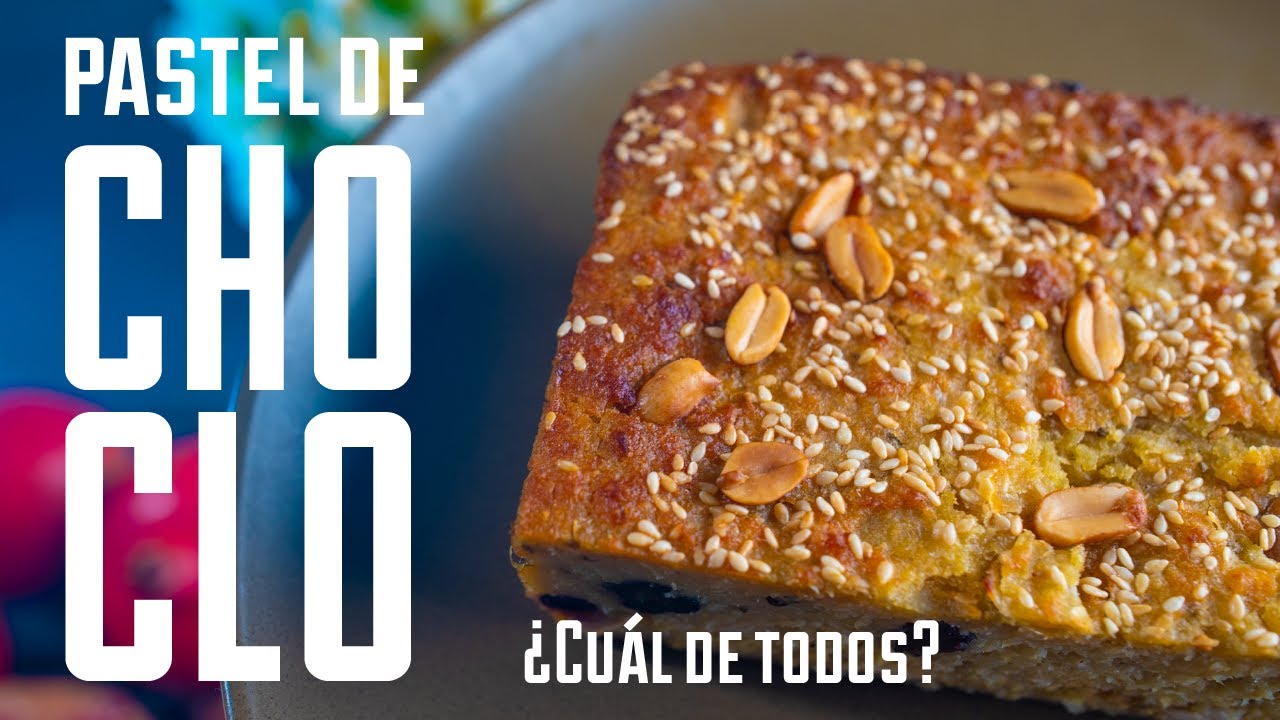
Pastel de Choclo Tacneño (Savory Corn Cake from Tacna)
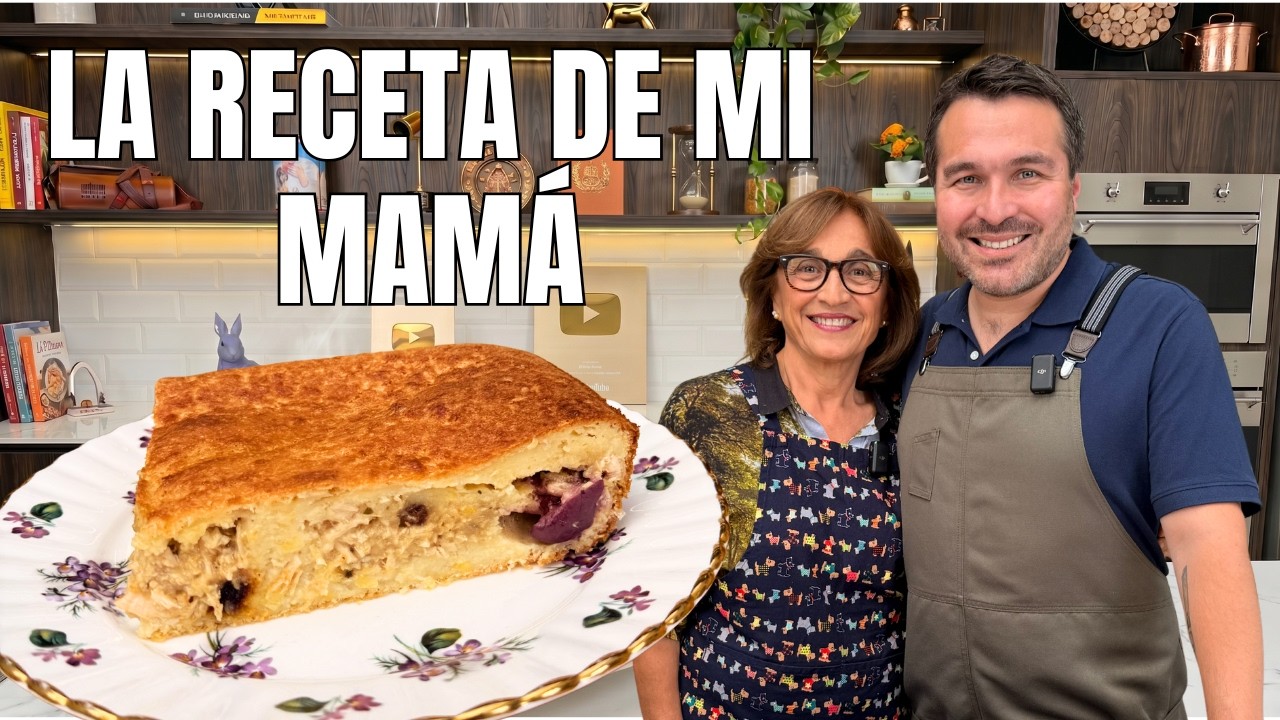
Giacomo Bocchio shares his great-grandmother María Luisa's signature pastel de choclo tacneño — the savory version of a corn-based dish that bridges sweet and savory traditions from Tacna, Peru. The recipe follows four clear steps: grinding fresh corn, making a caramelized onion-garlic aderezo mixed with shredded poached chicken, preparing a panade (bread soaked in milk, egg, and chicken broth to act as a flavor sponge), then combining everything into an aparejo seasoned with anise, cumin, brown butter, and a touch of ají amarillo. Layered in a baking dish with raisins, peanuts, olives, and sesame seeds, the pastel bakes until golden with a sugar-crusted top.
download Extracted 2026-03-30
Ingredients
Aderezo (seasoning base)
- 4 cups, brunoise Onion (finely diced (brunoise))
- 4 cloves Garlic cloves (finely diced (brunoise))
- 0.5 cup Vegetable oil (generous amount for frying aderezo)
- 1 tbsp Ají amarillo paste
Aparejo (corn batter)
- 6 ears Fresh corn on the cob (choclo) (shucked and ground in a grain mill or pulse-blended in a blender for texture)
- 3 tbsp Brown butter (beurre noisette) (cook butter slowly until golden brown with nutty aroma)
- 2 tbsp Anise liqueur
- 1 tsp Toasted anise seeds (toasted)
- 0.5 tsp Ground cumin
- 1 to taste Salt
- 2 tbsp Sugar (for the batter plus extra for the brulé top)
Assembly
- 0.5 cup Raisins
- 0.5 cup Peanuts
- 0.25 cup Black olives
- 2 tbsp Toasted sesame seeds (toasted)
Filling
- 2 breasts Chicken breast (poached and shredded) (poached in seasoned water, then shredded; reserve the broth)
Panade
- 2 cups, torn Bread (day-old or dried) (torn into pieces for the panade)
- 0.5 cup Milk
- 1 whole Egg
- 0.5 cup Chicken broth (from poaching) (reserved from poaching the chicken)
Steps
-
1Shuck the fresh corn and grind it using a grain mill for authentic texture. If you don't have a mill, use a blender and pulse in short bursts — this leaves some corn kernels intact and gives a texture closer to the mill-ground original, as Giacomo's mother does.Tip: Use mature corn (choclo maduro) that has low moisture content — this is important for the right consistency.~15 min
-
2Make the aderezo: finely dice (brunoise) the onion and garlic. Sauté in generous oil until well caramelized and golden. Add a tablespoon of ají amarillo paste and cook until the flavors meld. The oil perfumes the entire dish and provides moisture to the final pastel.Tip: Traditionally the pastel de choclo tacneño does not include ají amarillo — Giacomo adds it as his personal touch for that peppery kick. The generous oil is key: it provides moisture to the final batter like oil does in a cake.~15 min
-
3Mix the caramelized aderezo with the shredded poached chicken to create the filling. Set aside.~5 min
-
4Prepare the panade: combine torn bread pieces with milk, egg, and chicken broth. Mix until the bread absorbs everything and becomes a moist paste. This was the great-grandmother's secret — the bread acts as a flavor sponge, absorbing the broth, milk, egg, and oil flavors while keeping the pastel moist.Tip: Despite seeming like it would dry things out, bread does the opposite here — it's a sponge of flavor and moisture, the bisabuela's secret.~5 min
-
5Build the aparejo: in a large bowl, combine the ground corn, panade, and aderezo with its flavorful oil. Add brown butter (mantequilla noisette), anise liqueur, toasted anise seeds, cumin, salt, and sugar. Mix thoroughly.Tip: The brown butter adds a nutty aroma; anise and corn are natural flavor partners. The aparejo should not be overly sweet — just enough sugar to complement the corn's natural sweetness.~5 min
-
6Test the seasoning: heat a small pan with a little oil and cook a small pancake of the aparejo. Taste and adjust salt, sugar, or anise liqueur as needed. Repeat until you're happy with the flavor.Tip: Don't taste the raw batter (it contains raw egg). The small pancake test is the proper way to check seasoning before committing to the oven.~5 min
-
7Assemble in a greased baking dish: spread a generous base layer of aparejo, scatter raisins and peanuts, add the chicken filling distributed evenly, add olives, then top with more aparejo. Add another layer of raisins and peanuts, sprinkle with toasted sesame seeds, and finish with a light dusting of sugar on top for the brulé crust.Tip: Giacomo likes it with plenty of raisins and peanuts. The sugar on top helps achieve a beautiful golden brulé crust in the oven.~5 min
-
8Bake in a preheated oven at 180°C (350°F) until golden brown on top and set through. The corners are the most coveted pieces — Giacomo's grandfather says everyone used to fight for the corner pieces because they have two golden-brown crusted sides.Tip: The corner pieces with their double-crusted sides are the prize — a family tradition worth fighting for.~45 min
Nutrition (per serving)
350
Calories
20g
Protein
35g
Carbs
15g
Fat
3g
Fiber
Cultural Context
This pastel de choclo comes from Tacna, Peru's southernmost city, which endured nearly 50 years of Chilean occupation (1880–1929) after the War of the Pacific. Giacomo dedicates this recipe to the women of Tacna — particularly his great-grandmother María Luisa Bocchio, who cooked for over 50 years at the family restaurant. He explains that Tacneña women were responsible for secretly preserving Peruvian patriotism during the occupation, teaching in clandestine schools and keeping cultural identity alive. The dish exists in both sweet and savory versions across South America from Argentina to Venezuela, but this Tacneño family version is distinctive for its use of a panade (bread sponge), brown butter, anise, and the layered assembly with peanuts, raisins, and olives. The pomegranate — Tacna's emblematic fruit that appears on the city's coat of arms — is placed as decoration. Published on International Women's Day (March 8) as a tribute.
Giacomo Bocchio
MI BISABUELA CREÓ ESTE PLATO - PASTEL DE CHOCLO | GIACOMO BOCCHIO
Watch on YouTube →