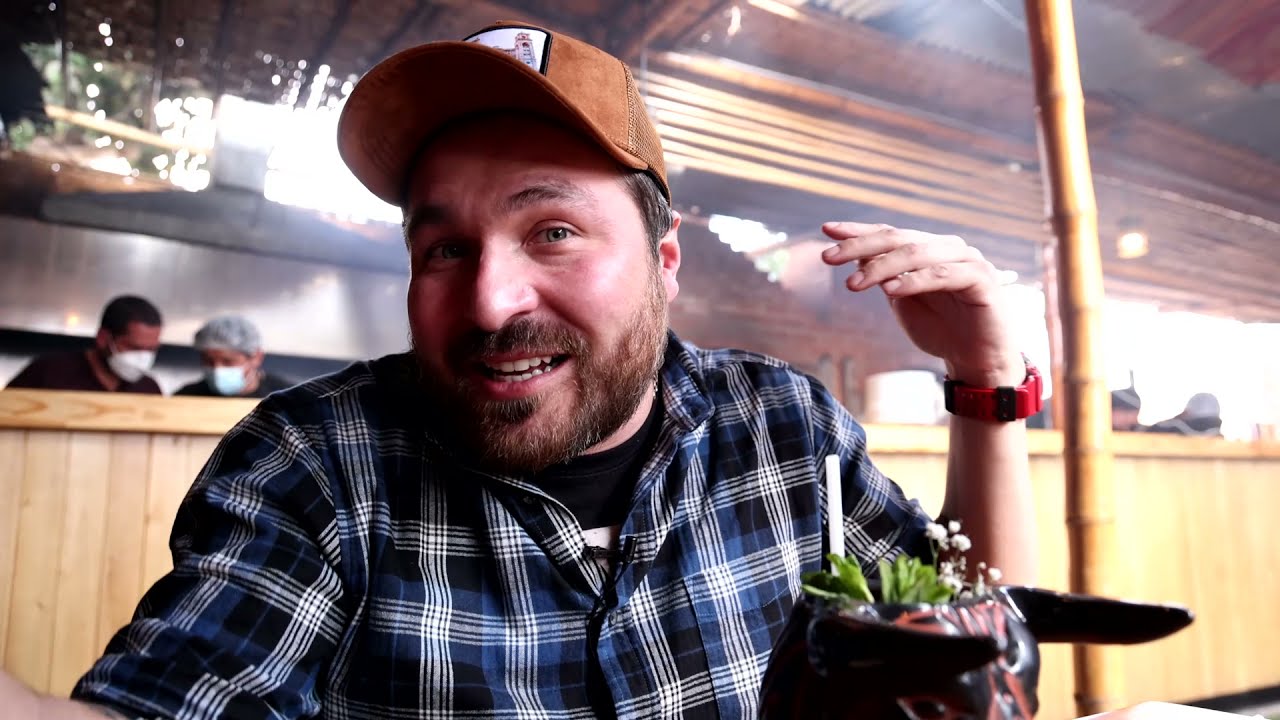
Gastronomic Tour of Tacna – Part 2: La Fonde, Mulato, Mercado 2 de Mayo, Empanadas & Cevichería Rosita
Giacomo Bocchio continues his gastronomic tour of Tacna, Peru, visiting five stops that showcase the city’s culinary identity. He starts at La Fonde, a grill and burger spot famous for its lamb burgers in seco de cordero sauce, ceviche with quinoa pop, and a causa tasting. Next he visits Mulato, a creative restaurant by chef Javier Peralta that reinterprets Tacneño ingredients with dishes like an arroz con aceitunas y pulpo and a ceviche served under a dome of ice, plus inventive cocktails including a Tacna sour, a melcocha-based cocktail, and a mulato sour with purple corn syrup and maracuyá. Sunday morning takes him to Mercado 2 de Mayo, where he buys Tarata olives, canchita, queso from Sama, dulce de membrillo, and Magollo vinegar, while explaining why white-fat lamb (alfalfa-fed) is superior and highlighting the market’s impressive refrigeration standards. He then visits Ana’s wood-fired oven home for lamb and seafood empanadas — a traditional Tacneño morning snack. The tour concludes at Cevichería Rosita, winner of Peru’s “Cuchara de Oro” for best ceviche, where he enjoys conchas negras with zarandajas, sea urchin, chita, corvina ceviche, and camarones de Sama prepared in their own coral butter sauce.
Ingredients
Steps
-
1Visit La Fonde for their signature lamb burger in seco de cordero sauce and the ‘Poderosa’ double lamb burger with cheese and bacon. Try the ceviche with quinoa pop and ají, the chicharrón, and the causa tasting (ceviche, langostino with pulpo al olivo, and classic pollo). Pair with their cocktails made from local tumbo fruit.Tip: Giacomo considers lamb and seco de cordero the best pairing for burgers. La Fonde adapted during the pandemic by adding lunch service with pollos a la brasa.
-
2At Mulato restaurant, try chef Javier Peralta’s creative Tacneño cuisine: arroz con aceitunas y pulpo, picante de mariscos, and the showpiece ‘JW’ ceviche served under a dome of ice (named in honor of Javier Wong). For cocktails, order the Tacna sour, the melcocha cocktail (mercado viejo recoba), and the mulato sour made with purple corn syrup and maracuyá. The cocktail ‘Armida’ is named after the chef’s mother.Tip: Sours should always be served with just a small crown of foam — nobody is paying to drink air. The foam adds texture; the proper way to drink it is to open your mouth slightly and take a bit of foam with the liquid together.
-
3Visit Mercado 2 de Mayo on a Sunday morning to buy Tarata extra olives, canchita, queso from Sama, dulce de membrillo, and Magollo vinegar. Look for zapallo de carga (white outside, deep orange inside — named because you can stack them in trucks without damage) and ají panca from Locumba (barely spicy, sweet, with lots of flesh).Tip: White-fat lamb has been fed fresh alfalfa; yellow-fat lamb ate dry pasture and oxidizes much faster, producing a stronger gamey flavor. Lamb fat is monounsaturated, which is why it oxidizes quickly on your hands. Magollo vinegar is comparable to Spanish sherry vinegar at a fraction of the cost (2 soles per bottle vs 40 soles per liter for sherry vinegar). An escabeche made with this vinegar is transformative.
-
4At Ana’s home in Modesto Basadre (Espíritu Santo), try wood-fired oven empanadas: lamb empanadas with a touch of sugar on the dough (a traditional sweet-savory combination) and seafood empanadas with a different, less sweet dough. Add a squeeze of fresh lime to lift the flavors. Book through her social media for a private dining experience.Tip: Tacna has a strong empanada tradition influenced by Chilean border culture — people eat them as a morning snack (tentempie) from 8-9 AM until noon. A squeeze of lemon always lifts flavors, especially in savory pastries. Ana works by reservation only through social media since the pandemic.
-
5Finish at Cevichería Rosita (La Puranista), winner of Peru’s Cuchara de Oro for best ceviche. Try conchas negras with zarandajas, sea urchin (erizo), chita, corvina ceviche served elegantly with just lime and minimal additions, and camarones de Sama prepared with a sauce made from their own coral and butter. The owner Rosita learned her craft from her mother and grandmother — generations of traditional cevicheras.Tip: Simple, elegant ceviche with just lime and no unnecessary additions lets the quality of the fish speak. Camarones de Sama are river shrimp unique to Tacna’s Sama river. Rosita’s cooking tradition spans three generations of women.