› Browse Recipes › Spring Rolls Two Ways: Classic Chinese & Lomo Saltado
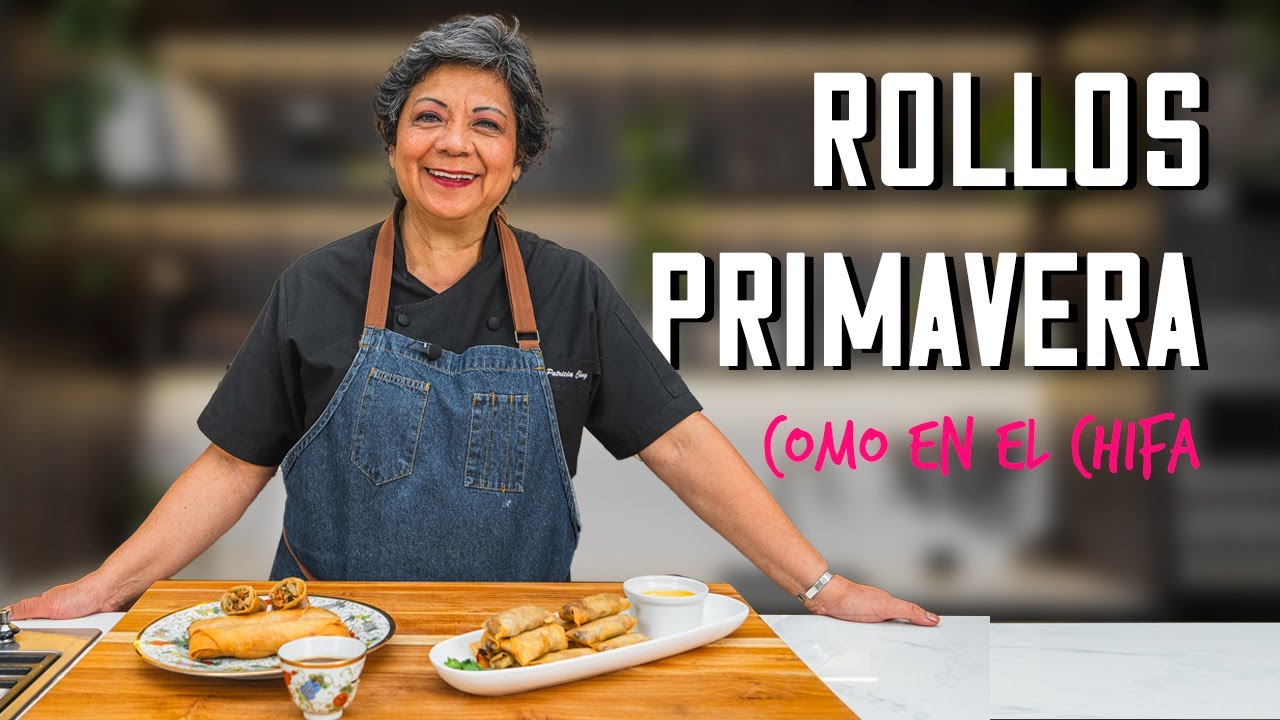
Spring Rolls Two Ways: Classic Chinese & Lomo Saltado
Master two versions of the iconic spring roll (chun quen): a classic Chinese-style filling with ground pork, cabbage, carrot, bean sprouts, glass noodles, and sesame oil; and a Peruvian-Chinese fusion filling inspired by lomo saltado with beef, aji amarillo, and cilantro. Both are wrapped in spring roll pastry and deep-fried to golden perfection, served with a sweet-savory dipping sauce.
download Extracted 2026-03-31
Ingredients
Classic Chinese Filling
- 250 g Ground pork (bondiola cut) (finely chopped (not ground); bondiola preferred for fat content and juiciness)
- 3 cloves Garlic (minced)
- 1 medium Carrot (julienned)
- 2 cups Chinese cabbage (napa cabbage) (thinly sliced)
- 1 cup Bean sprouts (frejolito chino) (rinsed)
- 0.5 cup Jicama (jolantao) (fine julienne) optional
- 50 g Glass noodles (fanc / mung bean vermicelli) (soaked in cold water for 15 minutes until flexible, then cut into 3 cm segments)
- 2 tbsp Soy sauce
- 1 tsp Chicken powder (chicken bouillon)
- 0.5 tsp Sugar (just a pinch to balance flavors)
- 1 tsp Sesame oil (added at the end)
- to taste Black pepper
Dipping Sauce
- 1 tbsp Sesame oil
- 2 tbsp Hoisin sauce (salsa joinn)
- 1 tbsp Lime juice (freshly squeezed)
- 1 tbsp Honey
- 1 tbsp Light soy sauce
Frying
- as needed Vegetable oil (for deep frying)
Lomo Saltado Filling
- 250 g Beef (loin or sirloin) (cut into thin strips for stir-frying)
- 2 cloves Garlic (minced)
- 1 medium Onion (cut into brunoise)
- 1 whole Aji amarillo (yellow chili) (seeds and veins removed, cut into brunoise)
- to taste Cumin
- to taste Paprika (a small pinch)
- 1 tsp Red wine vinegar
- to taste Salt
- to taste Sazón / seasoning blend optional
- to taste Fresh cilantro (chopped, added at end)
- 1 tsp Cornstarch (dissolved in a little cold water)
Wrapper
- 8 sheets Spring roll pastry sheets (kept covered with a damp towel to prevent drying)
- 2 tbsp All-purpose flour (mixed with equal volume of water to make a paste (glue))
- 2 tbsp Water (mixed with flour to make sealing paste)
Steps
-
1Prepare the glass noodles (fanc): place them in a bowl and cover with cold water. Soak for 15 minutes until flexible. Once softened, drain and cut into approximately 3 cm (1-inch) segments with scissors. Set aside.Tip: The fanc is made from mung beans (loctao/frejol de soya), not rice — it adds texture and absorbs excess liquid from the filling, keeping the pastry crisp.~15 min
-
2Make the classic Chinese filling: heat a small amount of vegetable oil in a wok or pan over medium-high heat. Add minced garlic and stir-fry until golden and aromatic.~2 min
-
3Add the finely chopped pork (bondiola). Stir-fry over high heat until the meat changes color completely. Finely chopped pork gives a much better texture than ground; bondiola is preferred for its fat content and juiciness, but chicken or shrimp also work.Tip: Any protein works here — chicken, shrimp, or even a vegetarian version.~5 min
-
4Add the julienned carrot, sliced Chinese cabbage, bean sprouts (frejolito chino), and jicama julienne. Stir-fry briefly to combine. Add chicken powder, a pinch of sugar, soy sauce, and black pepper. Mix well.Tip: The filling should not be too wet — excess liquid will make the pastry soggy. Cook until most of the moisture has evaporated.~5 min
-
5Add the soaked and cut glass noodles (fanc) to the filling. Finish with sesame oil and stir to combine. Drain the filling in a colander to remove any remaining liquid. Allow to cool completely before wrapping.Tip: Straining the filling is key — even after reducing, excess juices can make the pastry tear or lose its crunch when frying.~10 min
-
6Make the lomo saltado filling: heat vegetable oil in a seasoned wok or pan over high heat. Add garlic and stir-fry until aromatic. Add the onion and aji amarillo (brunoise, seeds and veins removed). Stir-fry briefly.~3 min
-
7Add the beef strips over high heat and stir-fry vigorously. Season with cumin, a pinch of paprika, a dash of vinegar, salt, and sazón to taste. Add fresh cilantro and black pepper at the end. Bind the filling with cornstarch dissolved in cold water to prevent it from falling apart.Tip: High heat is essential for lomo saltado — it gives that characteristic smoky, charred flavor. The cornstarch slurry keeps the filling cohesive inside the roll.~5 min
-
8Spread the lomo saltado filling onto a tray and allow to cool completely. Meanwhile, prepare the flour-water paste (equal parts flour and water) for sealing the rolls.Tip: Always use cold filling — hot filling will steam the pastry from inside and make it difficult to handle.~10 min
-
9Assemble the lomo saltado rolls (small, bite-sized): carefully separate the spring roll pastry sheets and keep them covered with a damp towel. Cut each sheet into 4 pieces. Place a small amount of filling in the center lengthwise. Fold the bottom corner over the filling, roll to the midpoint pulling back to compact. Fold in the side corners, press down the remaining flap, and seal with the flour-water paste. Rest briefly to set.Tip: Keep unused sheets covered at all times — they dry out very quickly and become brittle at the edges.~10 min
-
10Assemble the classic Chinese rolls (full-size): place a full pastry sheet in a diamond/rhombus orientation. Place 2 tablespoons of filling along the lower section of the diamond. Lift the bottom vertex, cover the filling, and roll back compacting firmly. Fold in the side corners, apply sealing paste to the remaining flap, and roll closed. Let rest briefly to fix.Tip: The sides that remain after tucking should be neat and straight — this ensures an even, tight cylinder when frying.~10 min
-
11Fry the spring rolls in two stages: start at medium temperature (150–160°C) for 3–4 minutes to allow the interior to cook through without burning the exterior. Then raise the temperature to 170–175°C to achieve golden color, finish the pastry texture, and expel any excess oil absorbed in the first stage. Drain on paper towels.Tip: Two-stage frying is the key to a perfectly crisp spring roll — the first stage cooks the interior without browning, the second stage crisps and colors the shell while purging absorbed oil.~8 min
-
12Prepare the dipping sauce: combine sesame oil, hoisin sauce (salsa joinn), fresh lime juice, honey, and light soy sauce in a small bowl. Whisk together until well integrated. Adjust to taste — you can also simplify to just hoisin with sesame oil and lime.Tip: The sauce is flexible — hoisin, lime, and sesame oil is the essential base. Honey adds sweetness; light soy adds salt depth. Serve the classic rolls with this sauce and the lomo saltado rolls with huancaina sauce.~3 min
-
13Serve immediately while hot and crispy. Present the classic Chinese spring rolls alongside the dipping sauce, and the lomo saltado rolls with huancaina sauce (prepared separately).Tip: Spring rolls lose their crispiness quickly — serve right out of the fryer for the best texture.~2 min
Nutrition (per serving)
420
Calories
22g
Protein
38g
Carbs
22g
Fat
3g
Fiber
Cultural Context
Spring rolls (chun quen or rollitos primavera) are one of the most popular dishes in Peruvian-Chinese restaurants known as 'chifas'. Originating during China's Tang Dynasty (600–900 AD), they were traditionally prepared to celebrate the Lunar New Year — the arrival of spring — giving the dish its name. In Peru, the chifa tradition blends Cantonese techniques with local Peruvian ingredients, producing unique fusion variations like the lomo saltado spring roll showcased here.
Giacomo Bocchio
TE ENSEÑO A PREPARAR LOS MEJORES ROLLITOS PRIMAVERA ¦ ELEVA TU JUEGO CULINARIO PATI CHONG
Watch on YouTube →