› Browse Recipes › Glazed Ham with Arabic Rice
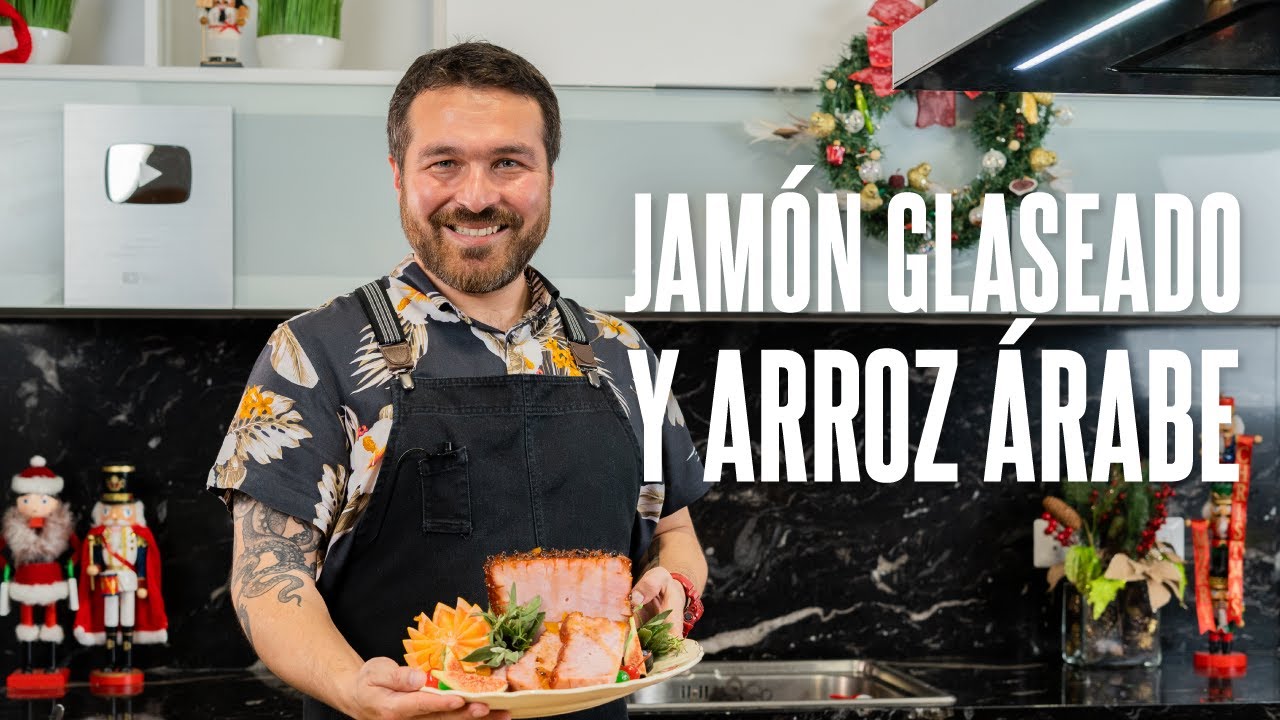
Glazed Ham with Arabic Rice
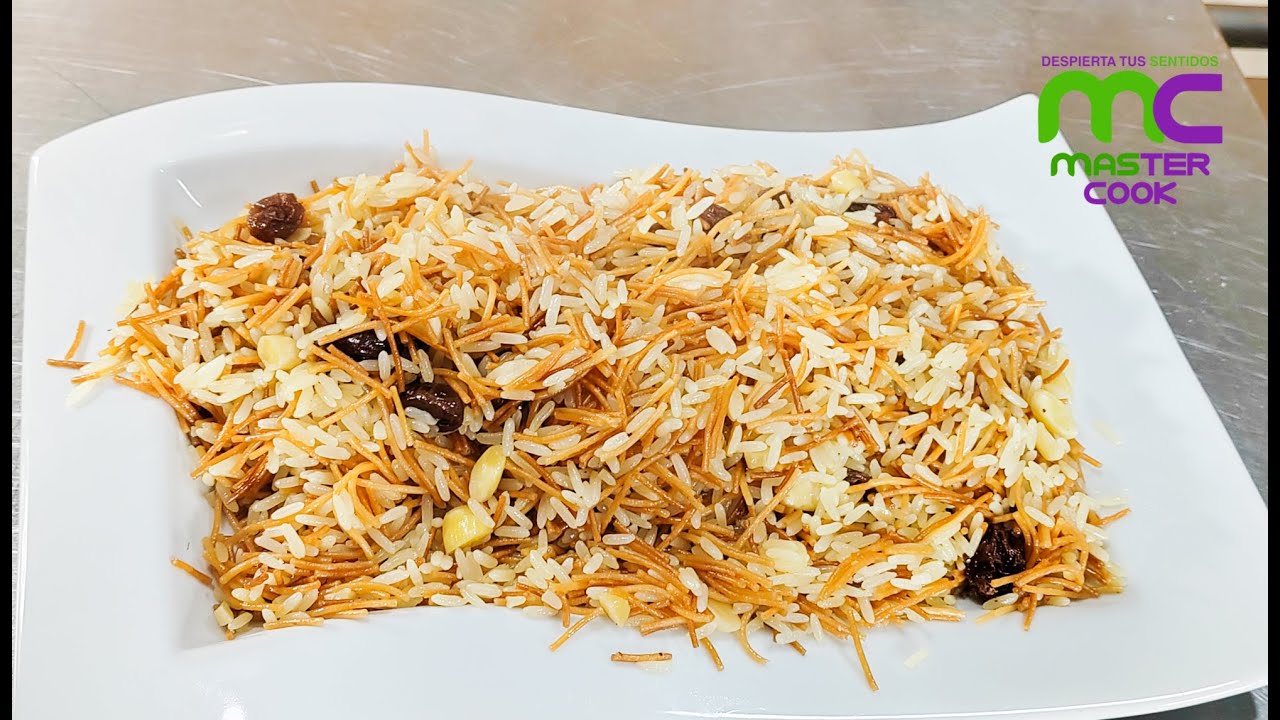
A classic Peruvian Christmas dinner featuring a peach jam and honey glazed ham, scored in a crosshatch pattern and studded with cloves, slow-basted in the oven until caramelized and sticky. Served alongside aromatic Arabic rice made with angel hair pasta, garlic, black soda, raisins, and pecans — a beloved Peruvian holiday tradition.
download Extracted 2026-03-31
Ingredients
Arabic Rice
- 2 cups Long-grain white rice (Rinsed)
- handful Angel hair pasta (cabello de ángel / vermicelli) (Broken into small pieces)
- to taste Butter
- splash Neutral oil (To protect butter from burning)
- cloves Garlic (Minced or crushed)
- to cover rice Black cola soda (Coca-Cola or similar) (Replaces water as the cooking liquid)
- to taste Salt
- handful Raisins
- handful Pecans (Roughly chopped)
Garnish
- 1 Orange (for garnish) (Scored / historiada (decorative cuts on skin)) opcional
- a few Fresh figs (Halved) opcional
- a few Cherries opcional
- small bouquets Watercress sprigs opcional
- to taste Black pepper (Freshly ground, for finishing the ham)
Ham
- 1 piece (approx. 2–3 kg half mold) Cooked ham (campesino / bone-in) (Cut crosshatch pattern on surface, about 1 cm deep)
- Whole cloves (One per crosshatch diamond center)
- 1 can Canned pineapple rings (in syrup) (Reserve syrup; cut some into chunks for glaze; use rings as base in roasting pan)
Ham Glaze
- 120 g Peach jam
- 60 g Honey
- 30 g Dijon mustard
- 120 g Pineapple syrup (from can)
- 40 g Golden rum (Can substitute with bourbon or whiskey)
- 50 g Orange juice (Freshly squeezed)
- 1 tsp Ground cinnamon
- as needed Water (For controlling evaporation during basting) opcional
Steps
-
1Prepare the glaze: In a bowl, combine the peach jam, honey, Dijon mustard, pineapple syrup, golden rum, orange juice, and ground cinnamon. Whisk together until smooth and homogeneous.Tip: Taste the glaze — it should be sweet, fruity, and slightly spiced. If you cook it down and evaporate the alcohol, this glaze also works great on chicken wings.~5 min
-
2Prepare the ham: If using a half mold, trim the base flat so it stands securely. Score the surface in a crosshatch (diagonal grid) pattern, about 1 cm deep. Avoid cutting too shallow (no penetration) or too deep (like pancetta).Tip: A clean, even crosshatch is entirely aesthetic but it also creates channels for the glaze to penetrate. Keep track of where your knife will finish — protect your fingers.~10 min
-
3Stud the ham with cloves: Press one whole clove into the center of each diamond formed by the crosshatch pattern across the top surface of the ham.Tip: This is the iconic Christmas ham look. Cloves add an aromatic perfume during roasting.~5 min
-
4Set up the roasting pan: Place pineapple rings in the bottom of the roasting pan as a base. Set the ham on top of the pineapple rings so it does not stick to the pan. Dice some extra pineapple chunks and add them to the glaze mixture.Tip: The pineapple base prevents sticking and caramelizes into a delicious sauce/chutney. Adding a splash of vinegar to the cooked pineapple pieces later turns them into a proper chutney.~5 min
-
5First glaze and oven: Generously brush the entire surface of the ham with the glaze using a pastry brush. Place in the oven at 180–200°C (350–390°F).~5 min
-
6Baste every 20–25 minutes: Remove the ham from the oven every 20–25 minutes and baste ('nutrir') the surface again with the glaze using a brush. This builds up the caramelized crust. Repeat 3–4 times total. If the glaze dries out too much, add a small splash of water to the pan.Tip: The ham is already fully cooked — the oven time is purely for glazing, not cooking through. No need to roast for 3–4 hours as some recipes suggest. You are building the bark/crust, not cooking raw meat.~65 min
-
7Protect the edges: When the cut edges of the ham begin to brown too fast, make a small crown of aluminum foil to shield them while the top surface continues to caramelize.Tip: What is wet will not brown — move pineapple pieces off the top surface when you want the ham to develop a deeper caramelized color.~2 min
-
8Final glaze: Remove the foil crown, give the ham a final brush of glaze, and return to the oven for the last 10–15 minutes until beautifully bronzed and sticky. Remove and rest briefly before carving.Tip: Finish with a grind of black pepper over the top surface — it cuts the sweetness and adds complexity.~15 min
-
9Make the Arabic rice (start while ham bakes): Heat a splash of oil and butter in a pot over medium heat. Add the angel hair pasta pieces and toast, stirring, until golden and crispy. Remove the toasted pasta and set aside.Tip: Adding oil alongside the butter prevents the butter from burning before the pasta is golden.~5 min
-
10In the same pot, cook the garlic in the butter until it begins to turn hazelnut-brown (beurre noisette stage). Add the black cola soda and season with salt. Bring to a boil.Tip: The black soda gives the rice a unique color and slight caramel flavor — a beloved Peruvian technique. Do not skip it.~5 min
-
11Add the rinsed rice to the boiling liquid and stir to combine. Return to a boil, then reduce heat to minimum, cover tightly, and cook for approximately 18 minutes.~20 min
-
12Once the rice is cooked and the liquid is absorbed, turn off the heat. Add the reserved toasted pasta, raisins, and chopped pecans. Cover again and let rest for 5 minutes.Tip: The resting steam will soften the crispy pasta slightly — it should stay somewhat textured. You can add a fresh herb at this stage if desired.~5 min
-
13Fluff and plate the Arabic rice using tongs or a fork — never a spoon — to avoid breaking the grains. Garnish with a scored orange slice.Tip: The Arabic rice can rest and wait while the ham finishes in the oven — it holds well at room temperature.~3 min
-
14Carve (trinchar) the ham: Transfer to a cutting board. Carve portions — some slices fully separated, some still attached for table presentation. Spoon the caramelized pineapple and pan juices over the ham slices.Tip: Trinchar means to carve meat at the table — a classic culinary term found in traditional cookbooks.~5 min
-
15Plate and garnish: Arrange the ham on a platter with Arabic rice alongside. Decorate with fresh figs, cherries, watercress bouquets, and scored orange slices. Finish the ham with freshly ground black pepper.Tip: A potato purée also pairs beautifully with this ham as an alternative or additional side.~5 min
Nutrition (por porción)
580
Calorías
38g
Proteína
52g
Carbohidratos
22g
Grasa
3g
Fibra
Cultural Context
The glazed ham tradition traces back to 1952 in Detroit, Michigan, when Harry Hoenselaar invented a spiral-cutting machine and the first glaze patent (honey and maple syrup base). When the patent expired in 1981, countless variations emerged and the dish became a staple of American and eventually Peruvian Christmas dinners. April 15 is World Glazed Ham Day. The Arabic rice (arroz árabe) is a uniquely Peruvian adaptation — called Lebanese or Egyptian rice in other countries — made with toasted angel hair pasta and cooked with black cola soda, a technique beloved in Peruvian home kitchens especially at Christmas.
Giacomo Bocchio
TE ENSEÑO A PREPRAR UN DELICIOSO JAMON GLASEADO CON ARROZ ARABE ¦ GIACOMO BOCCHIO
Watch on YouTube →