› Browse Recipes › Bolognese Sauce vs. Ragù — Classic Emilian Meat Sauce
Bolognese Sauce vs. Ragù — Classic Emilian Meat Sauce
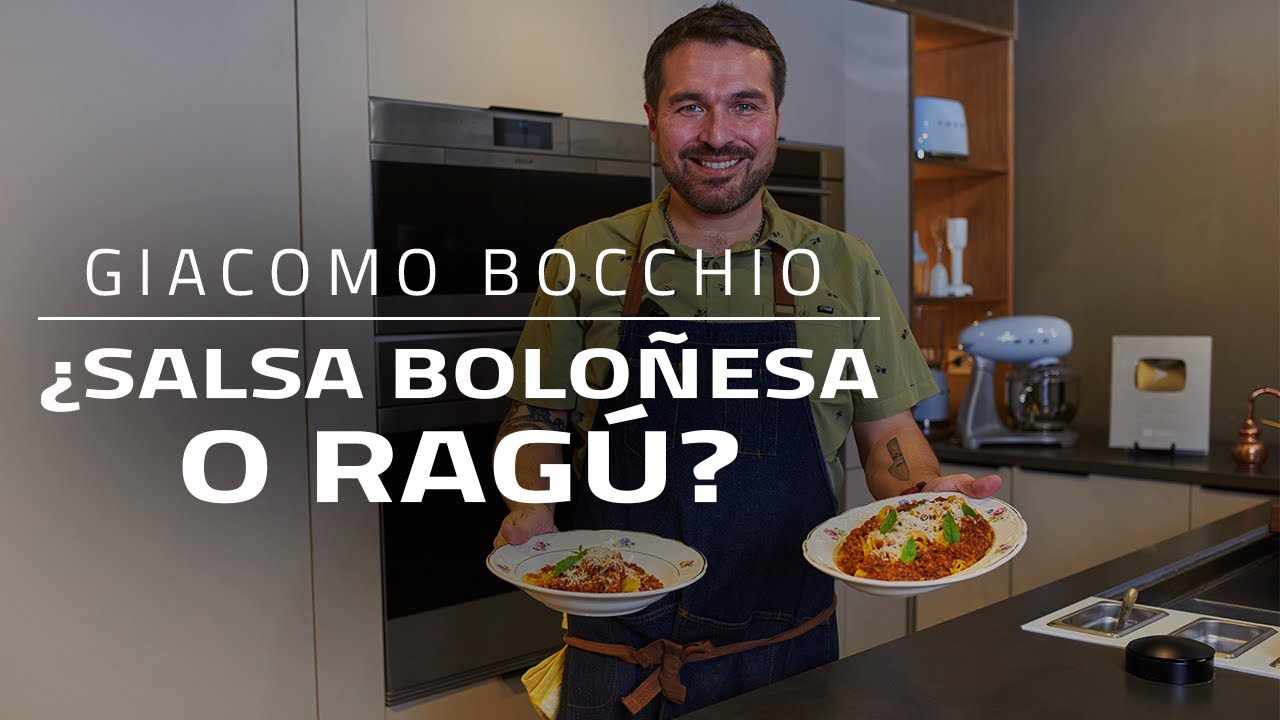
Giacomo Bocchio teaches the real distinction between 'Bolognese sauce' and Italian ragù, explaining that the beloved Bolognese as most people know it technically belongs to the world of meat ragùs from the Emilia-Romagna region. He prepares a deeply flavored, slow-cooked meat sauce using three proteins — ground beef, ground pork, and chorizo — built on a caramelized vegetable soffritto of onion, celery, and grated-then-chopped carrot, deglazed with dry red wine, and finished with Italian canned whole peeled tomatoes. Cooked for at least two hours, the sauce develops intense body and depth, and is served over fresh egg fettuccine with Parmesan.
download Extracted 2026-03-31
Ingredients
Base
- Extra virgin olive oil (generous amount for browning and finishing)
Herb Bouquet
- Bay leaf (added as part of the herb bouquet)
- Fresh thyme (sprigs, tied in bouquet)
- Fresh oregano (sprigs, tied in bouquet) optional
- Fresh basil stems (stems (not leaves), tied in bouquet) optional
Meat
- 200 g Ground beef (ground)
- 200 g Ground pork (ground)
- 200 g Chorizo (casings removed or crumbled)
Sauce
- 1300 g Whole peeled canned tomatoes (Italian) (blended to a smooth purée with a hand blender)
- 435 g Dry red wine
Seasoning
- Salt (added after deglazing with wine)
- Black pepper (added after wine (never during meat browning))
Soffritto
- 600 g Onion (brunoise (fine dice))
- 600 g Celery (brunoise (fine dice))
- 600 g Carrot (grated then finely chopped with a knife)
- 30 g Garlic, peeled (very finely minced)
To Serve
- Parmesan cheese (freshly grated, for serving)
- Pasta water (reserved) (splash used when tossing pasta with sauce)
Steps
-
1Heat a generous amount of extra virgin olive oil in a large heavy pot over very high heat until it reaches smoking point — you will see the oil lose viscosity and ripple. Use enough oil to brown all three meats and later soften the vegetables.Tip: Never add pepper when browning meat — it will burn. Add salt and pepper later after deglazing.~3 min
-
2Add the ground beef first, followed by the ground pork and then the chorizo. Spread the meat across the pot and let it brown without moving it too much. The goal is a deep Maillard caramelization — golden-brown meat and brown fond on the bottom of the pot. This step builds the flavor foundation of the entire sauce.Tip: Do not rush this step. Well-caramelized meat is the single most important flavor element in the sauce. Listen for a strong sizzle throughout.~15 min
-
3Once the meats are well browned, add the onion in brunoise. The moisture from the onion will deglaze the pan — use a wooden spoon or spatula to scrape up all the fond from the bottom. Increase the heat and sweat the onion, stirring to incorporate those caramelized meat drippings.Tip: The moisture released by the onion naturally deglazes the pot, lifting all the flavor stuck to the bottom. Do not add water — let the onion do the work.~8 min
-
4Add the herb bouquet (bay leaf, thyme sprigs, oregano, and basil stems tied together) directly into the pot to begin perfuming the sauce.Tip: A classic bouquet garni is parsley, thyme, and bay leaf — for this Italian ragù, basil stems and oregano add a distinctly Italian aromatic profile.~1 min
-
5Add the celery in brunoise and stir to combine. Cook until the celery has softened and released its moisture, about 3–4 minutes.Tip: Raw celery is very pungent, but when cooked it becomes gentle and rounds out the sauce — adding balance without sweetness or intensity.~4 min
-
6Once the celery has dried out a bit and the moisture has reduced, add the very finely minced garlic. Let it cook and caramelize slightly before adding more moisture.Tip: Add garlic after celery, not all at once — staggering vegetables ensures each one caramelizes rather than just steaming.~3 min
-
7Add the carrot, which has been grated on a box grater and then finely chopped with a knife to make it as small as possible. This is the secret ingredient of this ragù — carrot absorbs all surrounding flavors like a sponge (osmosis) while adding natural sweetness and body to the sauce.Tip: Grate then chop the carrot — this double preparation makes it dissolve into the sauce during the long cook, giving body without visible chunks. Carrot cooked in a braise will end up tasting more like meat than the meat itself.~5 min
-
8Cook the vegetables until the steam subsides — evaporating the water concentrates the flavor, since flavor is solid and water is not. The key equation is: time + temperature = flavor.Tip: Watch for the visual cue: when the steam cloud significantly reduces, the constitutive water has been largely evaporated. Do not rush — you cannot accelerate this without losing flavor.~6 min
-
9Deglaze with the dry red wine. Add a generous amount and let it come to a boil. At this point, add salt (which helps draw out any remaining moisture from the vegetables) and black pepper. The liquid protects the pepper from burning.Tip: Always use dry (not sweet) red wine for cooking unless otherwise specified. Adding pepper now — protected by the wine — gives a clean pepper flavor rather than a bitter burnt one.~5 min
-
10Add the blended Italian canned whole peeled tomatoes (pass them through a hand blender until smooth). Stir to combine everything thoroughly. Use a rubber spatula to scrape every last bit from the pot walls.Tip: Use Italian canned tomatoes — they are harvested at peak summer ripeness and canned at their best. Fresh tomatoes work too but vary in quality. To avoid an orange-colored tomato sauce when blending, let the sauce cool before blending.~3 min
-
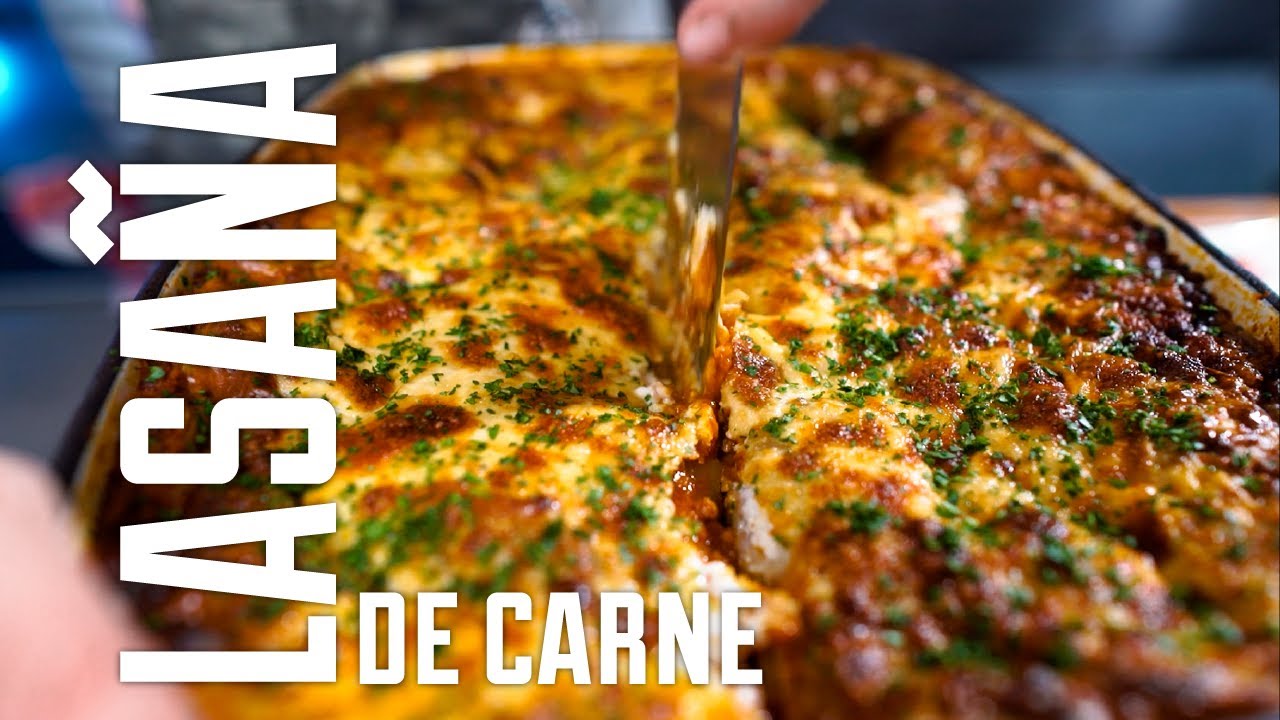
11Bring the sauce to a gentle simmer, reduce heat to low, and cook uncovered or partially covered for a minimum of 2 hours, stirring occasionally. If the sauce dries out, add a splash of stock or water. The longer you cook (up to 3 hours), the more the meat will dissolve into the sauce.Tip: After 2 hours the sauce is a hearty meat stew (guiso). After 3 hours the meat fully dissolves into a pure sauce. Both are correct — choose based on the texture you prefer. This sauce is perfect for lasagna as well.~120 min
-
12To serve: boil salted pasta water (as salty as the sea). Cook fresh egg fettuccine for exactly 2 minutes. Transfer the pasta directly into a pan with a generous ladle of the ragù. Toss together with a splash of starchy pasta water and a drizzle of olive oil until the pasta is fully coated. Plate and top with freshly grated Parmesan and a crack of black pepper.Tip: Never add oil to pasta cooking water — it does not prevent sticking and actually coats the pasta so sauce won't adhere. Abundant water and boiling bubbles keep pasta moving and prevent clumping.~5 min
Cultural Context
Giacomo clarifies that 'Bolognese sauce' as commonly known does not technically exist in authentic Italian cuisine — it is a colloquial term for a ragù, a category of slow-cooked meat-based sauces. There are three major Italian ragù traditions: the Bolognese (from Emilia-Romagna), the Neapolitan, and the Roman. The original Emilian ragù did not even contain tomato, as the tomato arrived in Europe from Peru and only gradually became a pantry staple. Today, Giacomo prepares the Emilia-Romagna style adapted to his personal technique, using canned Italian whole peeled tomatoes (harvested at peak summer ripeness) rather than fresh, and enriching the base with three types of meat. The Maillard reaction on the meat is emphasized as the fundamental flavor-building step — building a 'castle of flavor' before any liquid is added.
Giacomo Bocchio
¿SALSA BOLOÑESA O SALSA RAGÚ? TE ENSEÑO A PREPARAR UNA SALSA DE CARNE | #GiacomoBocchio
Watch on YouTube →