› Browse Recipes › How to Mix a Drink: Shaking and Stirring Techniques
How to Mix a Drink: Shaking and Stirring Techniques
A comprehensive guide to cocktail mixing fundamentals — when to shake vs. stir, why each technique matters, common mistakes to avoid, and how to multitask both techniques simultaneously behind the bar.
smart_display Published 2021-10-01
download Extracted 2026-04-04
Ingredients
No ingredients listed
Steps
-
1Understand when to shake vs. stir: shake cocktails containing citrus, dairy, or eggs — these need air bubbles for texture, emulsification, and to soften acidity. Stir cocktails that are predominantly spirits to preserve their weight, aromatics, and clarity.Tip: Air bubbles from shaking also dampen the alcoholic burn, making drinks more approachable.
-
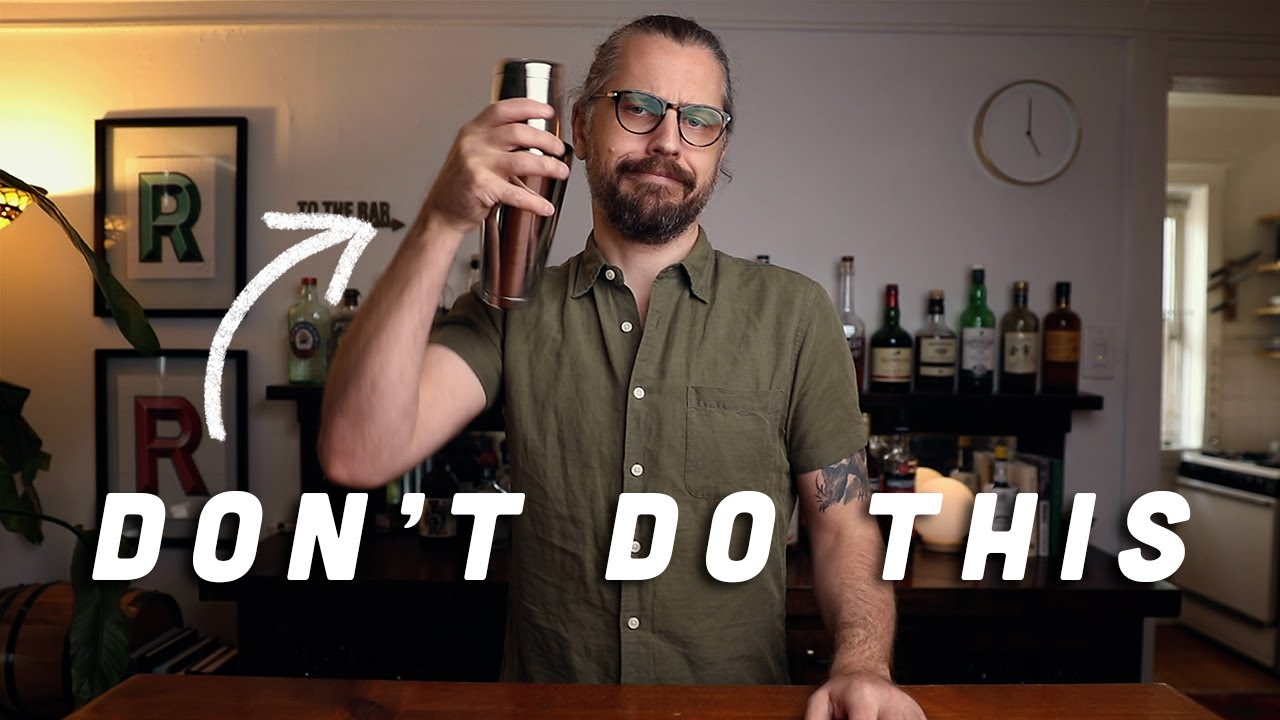
2To shake: build the cocktail in the larger tin, fill the cheater tin with ice and dump it into the larger tin, then tap firmly to form a seal. Hold both tins securely — thumb on the seam of the straight edge, fingers gripping both tins. Give a quick back-and-forth test shake at waist level to confirm the seal.Tip: Always hold both tins — the seal alone is not enough to prevent spills during vigorous shaking.
-
3Shake for 10–15 seconds at shoulder height, using a V-shaped motion so the liquid travels end to end inside the tin and ice hits both sides. The goal is full thermal equilibrium — the cocktail will get as cold and diluted as it can get. You can use the Japanese three-point (hard shake) or American two-point (back and forth) style; both work equally well.Tip: Adjust shake duration by serve: whip shake (2–3 sec) for crushed ice drinks, medium shake for on-the-rocks, full 10–15 sec shake for 'up' drinks like Daiquiris.
-
4To open the shaker: squeeze the larger tin at the seam while pushing the cheater tin away with your thumb. If the seal is tight, strike the side with the palm of your hand to break it. Double strain through a Hawthorne strainer and fine mesh strainer — this catches ice chips and further aerates the cocktail.
-
5To stir: build the cocktail in the mixing glass first, then add ice. This controls dilution — ice starts melting immediately, so add it last. Use a good amount of ice so the drink chills before it over-dilutes.Tip: A few sparse ice cubes will dilute the drink faster than they chill it — pack the mixing glass generously.
-
6Stir technique: hold the bar spoon with two fingers on top and two underneath, keeping the back of the spoon against the inside wall of the mixing glass. Use a pulling motion with your top two fingers and a pushing motion with the bottom two to trace circles around the perimeter. This spins the ice as one unit without breaking it up.Tip: A chopstick works just as well for beginners — it does the same job without requiring the finger-spinning technique.
-
7Stir for 30–45 seconds. Signs it's done: the edges of the ice cubes start to round off, you feel the cold condensation on the outside of the mixing glass, and the sound of the ice changes pitch. Strain into the glass using a julep strainer — its large holes allow liquid to fall with minimal agitation, keeping the drink clear.
-
8Multitasking: to shake two cocktails simultaneously, hold one shaker in each hand and shake in unison — they'll chill and dilute at the same rate. To stir two at once, use your dominant hand for each in turn or simultaneously with practice. Expert level: stir with your dominant hand while shaking with your non-dominant hand — start stirring first (it takes longer), then fold in the shaking.Tip: Build both cocktails before adding any ice when multitasking — then add ice to both and start.
Cultural Context
Shaking and stirring are the two foundational techniques of Western bartending. The distinction dates back to the early craft cocktail era — shaking was developed for drinks containing citrus, eggs, or dairy (ingredients that need aeration and emulsification), while stirring was reserved for all-spirit cocktails to preserve their weight, clarity, and aromatic integrity. The debate over 'bruising' gin — whether vigorous shaking destroys delicate botanical notes — has been a staple of bar culture for decades, popularized by James Bond's famous 'shaken, not stirred' martini preference.