› Browse Recipes › Peruvian Chicken Estofado — The Foolproof Technique
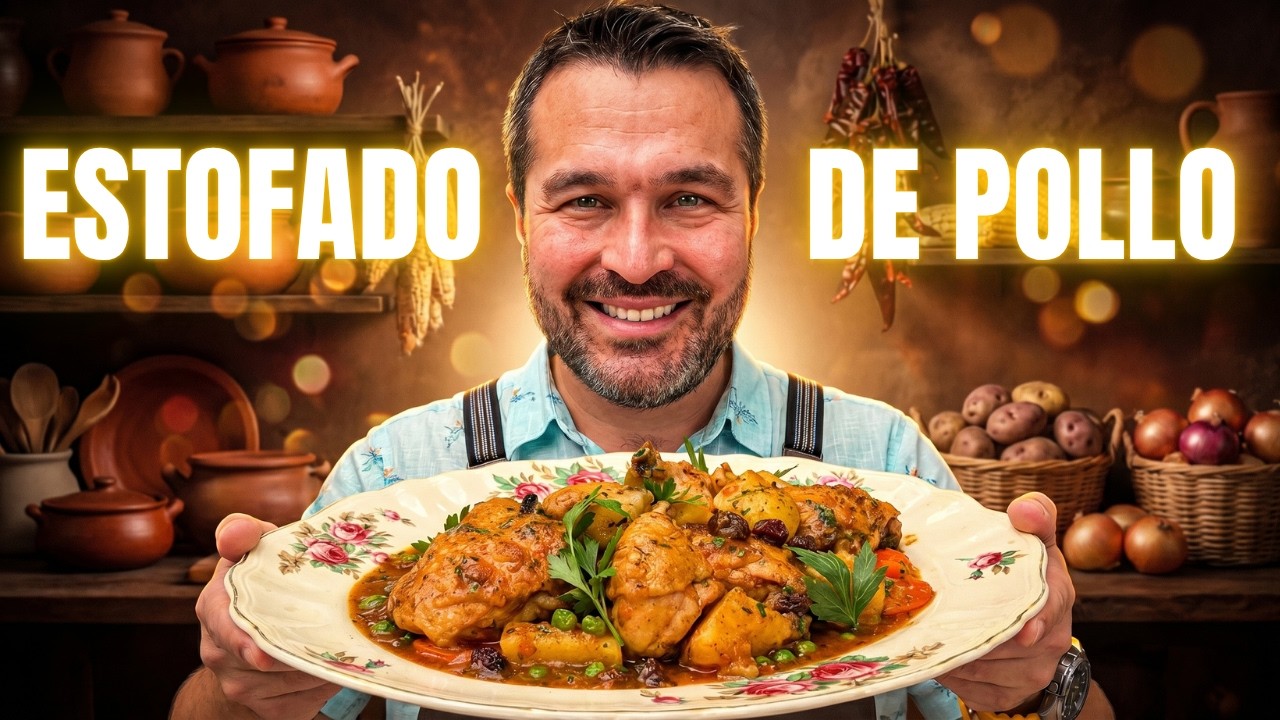
Peruvian Chicken Estofado — The Foolproof Technique
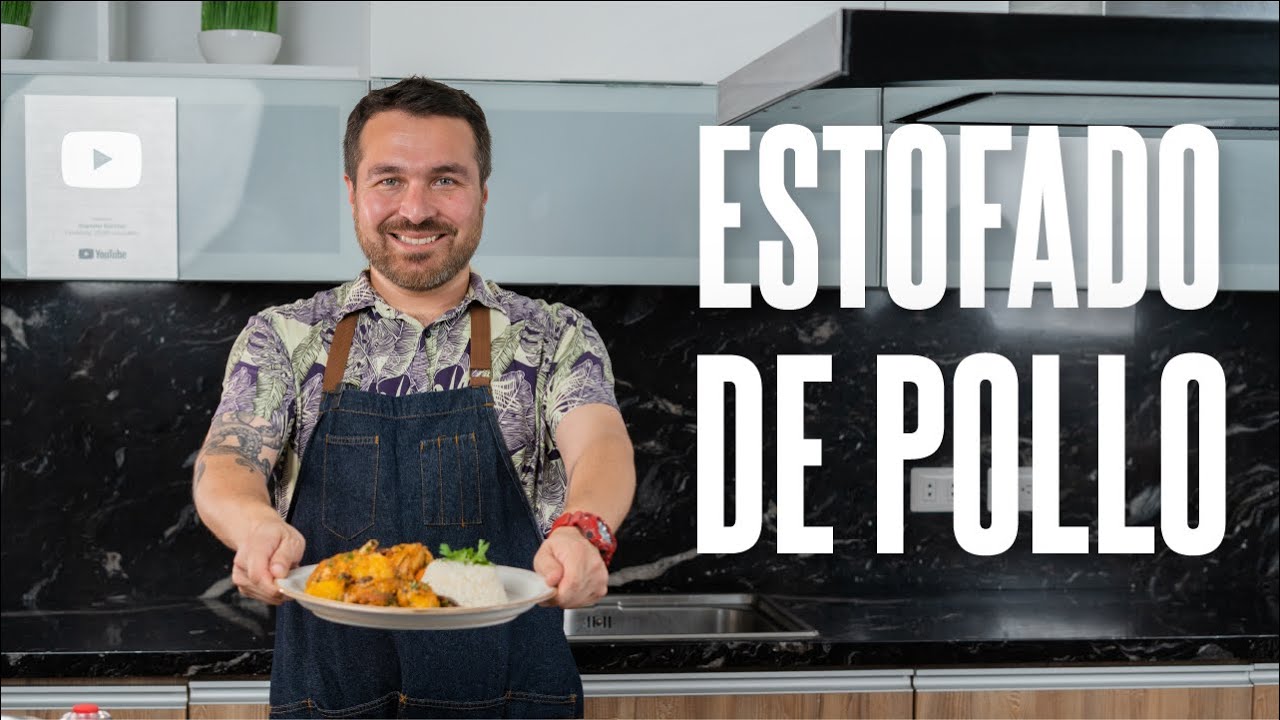
A classic Peruvian-style chicken stew with European roots — bone-in chicken legs and thighs braised with onion, garlic, aji panca paste, tomato, dried mushrooms, white wine, oregano, potatoes, carrots, raisins and peas. Finished with a final splash of vinegar and fresh parsley to brighten and lift all the flavors.
smart_display Published 2026-05-14
download Extracted 2026-05-14
Ingredients
- 4 pieces bone-in chicken legs and thighs (frenched (manchonné) — knuckle removed and bone exposed; brined 45 min in 10% salt brine)
- 4 tbsp olive oil (for searing)
- 1 large yellow onion (diced (brunoise))
- 4 cloves garlic (finely minced)
- 2 tbsp aji panca paste
- 2 tbsp tomato paste
- 2 medium tomato concassé (peeled, seeded, diced small)
- to taste ground cumin (added in two pulses)
- to taste freshly ground black pepper
- 1 tbsp dried oregano (preferably Tacneño) (crumbled between palms; added in two stages)
- 2 leaves bay leaves
- 10 g dried porcini mushrooms (broken into small pieces (do not rehydrate first)) optional
- to taste salt (added in stages)
- 2 medium yellow potatoes (peeled, cut into bite-sized chunks)
- 1 large carrot (peeled, sliced into half-moons (not too thin))
- 200 ml dry white wine
- 750 ml chicken stock (hot)
- 50 g raisins optional
- 150 g fresh green peas (preferably young/sweet)
- as needed cornstarch slurry (1 tbsp cornstarch dissolved in 2 tbsp cold water) optional
- 1 tbsp good-quality vinegar (added off heat at the very end)
- 2 tbsp fresh parsley (freshly chopped)
- for serving white rice (cooked, hot)
Steps
-
1Brine the chicken pieces in a 10% salt brine for 45 minutes. This pre-seasons the meat to the bone and gains roughly 8% extra moisture, guaranteeing juicy results.Tip: If you skip this, salt the chicken generously and let it rest at least 30 minutes before searing.~45 min
-
2French the chicken (manchonné): with a sharp knife cut through the skin around the lower drumstick bone, then with a serrated knife or small saw cleanly separate the knuckle, leaving the bone exposed. Pull off excess tendons. Separate leg from thigh by cutting cleanly along the fat line between them. As the meat contracts in cooking the bone will look clean and beautiful.Tip: Hold the knuckle with kitchen paper for grip — it stops the bone slipping while you cut.~10 min
-
3Heat olive oil in a heavy pot or sauté pan over low-to-medium heat — warm, not screaming hot. Lay the chicken skin-side down and leave it alone to develop a light golden color. Do NOT season with cumin or pepper at this stage — dry spices will scorch in hot oil. Aim for a light gold sear, not deep-fried color: the chicken still needs to braise.Tip: The fond (glasa) sticking to the pot bottom is pure flavor — protect it; don't burn it.~8 min
-
4Remove the chicken to a plate to rest (it's not cooked through — it will finish in the braise). Pour off about 2 tbsp of the now chicken-flavored oil into a small bowl; reserve in case you need it later.~2 min
-
5Add the diced onion to the same pot over low heat. Use a heat-proof silicone spatula to deglaze — the onion's moisture will lift the fond from the bottom AND from the sides of the pot. Clean the borders carefully: fire 'hugs' the pot, so the sides run hotter than the bottom and burn first.Tip: If the pot is running too hot to work calmly, lower the flame — you have time.~3 min
-
6Add the finely minced garlic and let it cook with the onion. The more finely chopped the garlic, the more aroma it releases — minced is far more fragrant than whole peeled cloves.~2 min
-
7Add the aji panca paste (about 2 tbsp). Aji panca is indigestible raw — keep heat low and cook it out for at least 3 minutes, stirring so it perfumes the oil and the onion.~3 min
-
8Add tomato paste and the tomato concassé (peeled, seeded, diced small). Use the tomato's moisture to deglaze the borders one more time. NOW is the moment to add the cumin and freshly ground black pepper — the wet tomato base protects the spices from scorching.Tip: Adding cumin and pepper into a wet base, not into hot oil, is the single biggest control point for not over-spicing.~2 min
-
9Add a generous amount of dried oregano (crumble between your palms as you add), 2 bay leaves, a pinch of salt, and the dried porcini mushrooms broken into pieces. Don't rehydrate the mushrooms first — they'll hydrate in the braising liquid and release maximum flavor. They're an aroma element, not a garnish.~2 min
-
10Raise the heat. Pour in the white wine and use it to deglaze any remaining fond. The intent here is to burn off the alcohol while keeping the wine's acidity and aromatic compounds.Tip: You can swap the white wine for red wine, pisco, brandy, rum or even whisky for a different character.~3 min
-
11Add the diced potatoes and sliced carrots; toss them in the aderezo so they coat with flavor. Lay the seared chicken pieces and any resting juices on top, and scatter the raisins around. Pour in enough hot chicken stock to nearly cover the potatoes (about 750 ml).Tip: Taste the broth right now — it should taste a touch undersalted because the potatoes will absorb salt as they cook.~2 min
-
12Taste and adjust seasoning: a bit more salt, a second pulse of cumin, another generous pinch of oregano (crumbled), one more hit of pepper. Cover and simmer 10–12 minutes — the bone-in chicken needs about 20 minutes total cooking time.~12 min
-
13Uncover and add the fresh green peas (look for very young, tender peas — the big mealy ones are like green flour-potatoes; the small sweet ones are like fruit). Cover again and cook 5–8 minutes more, until potatoes are tender enough to almost fall apart on a fork.Tip: Perfect estofado potato texture is 'about to fall apart' — cooked through but still holding shape.~7 min
-
14Turn off the heat. Lift the chicken pieces out gently (the meat will be falling off the bone — that's correct). If the sauce is too liquid, return the pot to low heat and stir in a small cornstarch slurry (1 tbsp cornstarch + 2 tbsp cold water) until the sauce bodies up; alternately you can grate a small yellow potato into the sauce for body. Bring to a quick boil to activate the starch, then turn off.Tip: Discard the bay leaves before serving.~3 min
-
15WITH THE HEAT OFF, add 1 tablespoon of good vinegar. This is the French finishing trick — a final hit of acidity at the very end (when the wine's brightness has cooked away) lifts every flavor in the stew from 'good' to 'extraordinary'. Lemon juice or verjus works too. Off heat, the acidity stays bright instead of cooking away.Tip: Same logic as squeezing lime over an empanada or fried fish — acid wakes up rich, long-cooked food.~1 min
-
16Stir in freshly chopped parsley. Return the chicken to the pot, give a gentle stir to coat, and serve with hot white rice. A perfect Sunday family lunch — put the pot in the center of the table with extra sauce and vegetables on the side.Tip: Leftover sauce + chopped sautéed boneless chicken the next day = estofado de pollo a la minuta.~2 min
Nutrition (per serving)
520
Calories
38g
Protein
42g
Carbs
22g
Fat
5g
Fiber
Cultural Context
Estofado arrived in Peru from Europe — its origins are in the slow-braised stews of France, Italy and Spain. Over generations Peruvian cooks tropicalized the dish by adding aji panca paste and tomato, turning the European braise into a beloved everyday plato peruano. Giacomo Bocchio's version layers classical French technique (brining, searing, deglazing, finishing with acid) onto the Peruvian flavor base. The final splash of vinegar is a classic French move — used to brighten any long-cooked stew, the way Peruvians squeeze lime on empanadas or fried fish.
Giacomo Bocchio
EL SECRETO PARA QUE TU ESTOFADO SEPA COMO EL DE CASA – LA TÉCNICA QUE NO FALLA
Watch on YouTube →