› Browse Recipes › Sous Vide Cooking Masterclass: Everything You Were Never Told
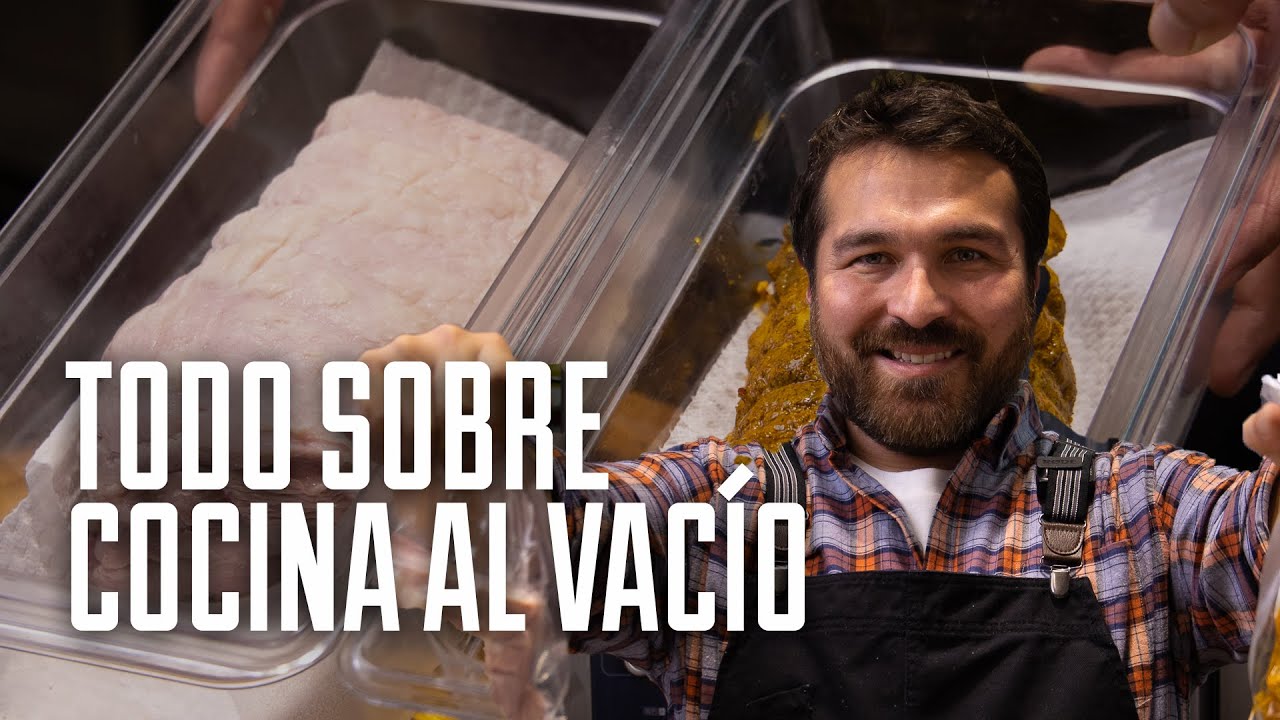
Sous Vide Cooking Masterclass: Everything You Were Never Told
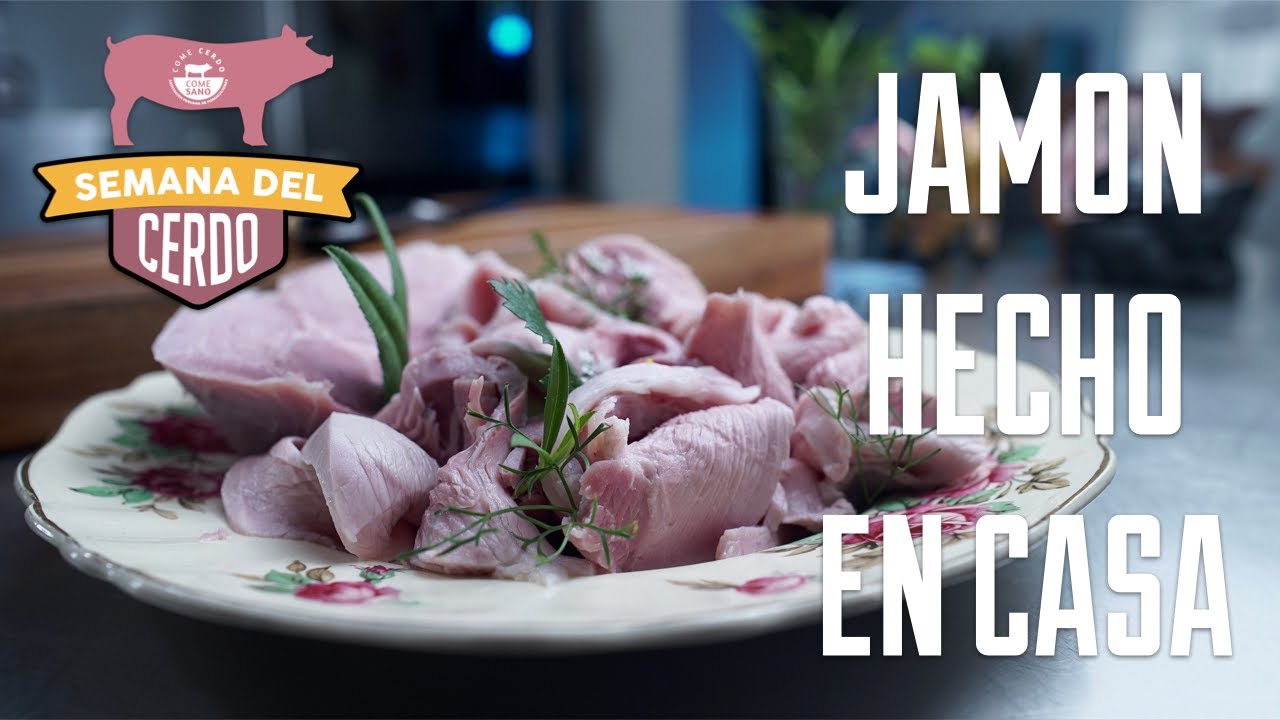
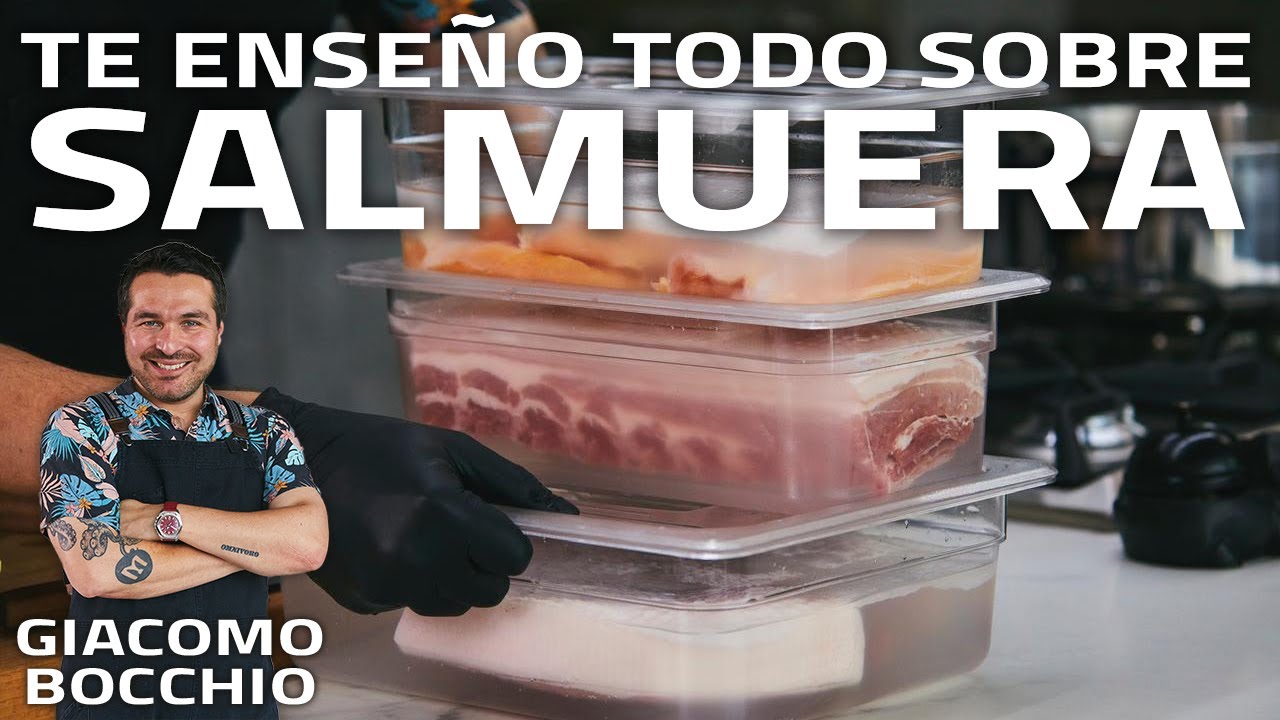
A comprehensive sous vide masterclass covering the three pillars of vacuum cooking: precision cooking at controlled low temperatures for perfect and standardized results, food preservation by eliminating the three enemies (light, water, oxygen), and compression for instant marinades and flavor infusion. Giacomo explains the science behind immersion circulators (roner), combi ovens, and blast chillers (abatidores), demonstrates two types of brines (equilibrium and percentage-based), and applies everything to making jamón del país and jamón york sous vide style.
download Extracted 2026-03-30
Ingredients
Equilibrium Brine (Jamón York)
- Water (for brine)
- 2 % of total weight Salt (for equilibrium brine (2-3% range))
- 1 % of total weight Sugar (for equilibrium brine)
- 0.25 % of total weight Curing salt (sodium nitrate/nitrite) (for botulism prevention in long cooks)
Jamón York
- Pork leg (for jamón york) (whole, for brining and sous vide cooking)
Jamón del País
- Pork leg (for jamón del país) (whole, for brining and sous vide cooking)
Percentage Brine (Jamón del País)
- 1 kg Water (for percentage brine)
- 100 g Salt (10% of water weight for percentage brine)
Sandwich Assembly
- Bread (for sandwich assembly) opcional
Steps
-
1Understand the three key benefits of sous vide cooking: (1) Precision cooking — low temperatures over longer times prevent overcooking and yield perfect doneness every time, (2) Standardization — every piece cooks identically, enabling less-experienced staff to produce consistent results, (3) Less qualified personnel needed — systematic process allows training young cooks effectively.Tip: Remember: cooking is always an equation of time plus temperature. At lower temperatures, you need more time but get superior results.
-
2Set up your sous vide equipment. An immersion circulator (roner) heats water and circulates it via propeller (for containers up to 15 liters) or air pump (for 15-30+ liters). Alternative equipment includes a combi oven set to 100% humidity, or a blast chiller (abatidor) which can cook up to 85-90°C and then immediately cool.Tip: A blast chiller is ideal for the cook-chill method: cook overnight, and by morning the product is cooked AND cold, ready for storage.
-
3Be aware of food safety danger zones. Food deteriorates between 6-63°C. For fish, sous vide temperatures (50-55°C) are within this danger zone, so cook times must be short and products must be rapidly chilled afterward. Always follow the cook-chill method: cook, cool immediately to below 6°C, then store.Tip: The shorter the cook time in the danger zone, the safer. Cool products immediately after cooking — ideally using a blast chiller.
-
4Understand food preservation through vacuum packing. The three enemies of food preservation are light, water, and oxygen. Vacuum packing eliminates all three: sealing blocks light, the vacuum process extracts moisture (extending shelf life), and removing oxygen prevents oxidation. This also makes inventory management easier — count vacuum-packed portions instead of loose cuts.Tip: Do daily protein inventory if you run a food business — know exactly what you buy, have, and sell each day.
-
5Learn the compression technique. Water boiling is related to atmospheric pressure, not just temperature (water boils at 85-87°C at high altitude in Peru vs 100°C at sea level). When vacuum packing, removing air creates spaces in the product's fibers that get filled by the surrounding liquid (marinade, brine, or spirit). This enables instant marinades — meat absorbs about 1cm per 24 hours normally, but vacuum compression makes it nearly instantaneous.Tip: Try vacuum-packing loin with pisco for a distinctly Peruvian flavor infusion. Also works with whisky or any spirit. For palate cleansers, vacuum-compress peeled cherry tomatoes in basil syrup.
-
6Prepare equilibrium brine for jamón york: weigh the meat in its container, add water just to cover, then calculate the total weight (meat + water) as 100%. Add 1% sugar, 0.25% curing salt (sodium nitrate/nitrite for botulism prevention), and 2-3% salt for flavor. Brine for 24 hours. This method is forgiving — if left a few extra hours, the equilibrium prevents over-salting.Tip: Equilibrium brines are ideal for large-scale production (processing plants, half-ton batches). Start at 2% salt and adjust up to 3% based on your palate — 4% would be too salty for the exposure time.~1440 min
-
7Prepare percentage brine for jamón del país: use water only as the 100% base. Add 10% salt (100g per 1kg water). This is saltier than seawater. This method is faster and more aggressive — ideal for home use. Brining time depends on the size and weight of the meat piece, and requires testing and adjustment to find your ideal ratio.Tip: The brining time challenge is the real craft — experiment with different weights and times to develop your own ratios. This is what professional consultants help calibrate.
-
8After brining, vacuum-pack the hams and cook sous vide (in combi oven at 100% humidity, immersion circulator, or blast chiller overnight). Once cooked, remove from bags, discard cooking liquid, untie any string/twine, pat dry, and slice for serving. Assemble sandwiches using both types of ham for layered charcuterie flavors and textures.Tip: Build sandwiches with two or more types of charcuterie — the layered flavors and textures will dramatically improve your sandwiches.
Cultural Context
Sous vide (cocina al vacío) has become a cornerstone technique in professional kitchens worldwide, but Giacomo approaches it from a Latin American culinary entrepreneur's perspective. He teaches at a Food Service test kitchen in Peru, emphasizing practical benefits for restaurant operators: consistent results across less-experienced staff, extended shelf life reducing food waste and costs, and the ability to train younger cooks systematically. His examples — jamón del país (a traditional Peruvian-style ham) and jamón york (English-style ham) — bridge European charcuterie traditions with Peruvian gastronomy. The use of pisco for vacuum-infused marinades is a distinctly Peruvian creative touch. Giacomo also draws on his role as a culinary history professor, connecting modern sous vide to humanity's age-old struggle with food preservation.