› Browse Recipes › Two Ways: Traditional Tripe Cau Cau & Seafood Cau Cau
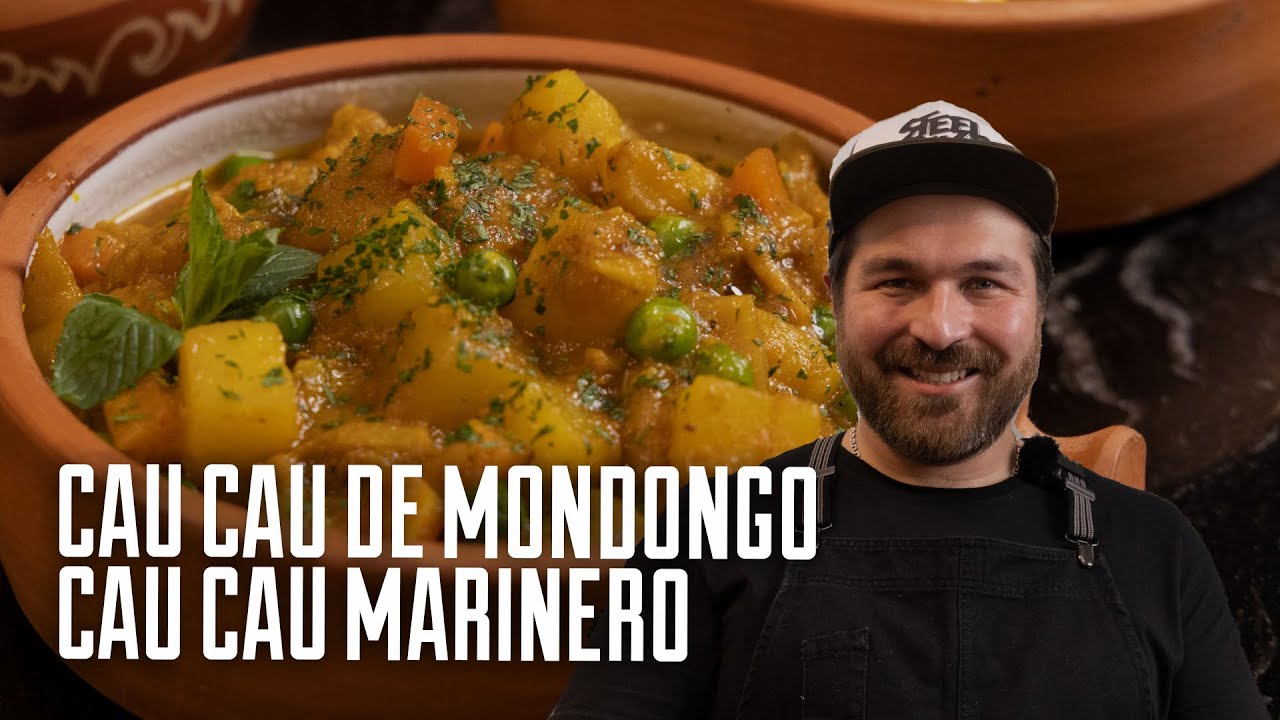
Two Ways: Traditional Tripe Cau Cau & Seafood Cau Cau
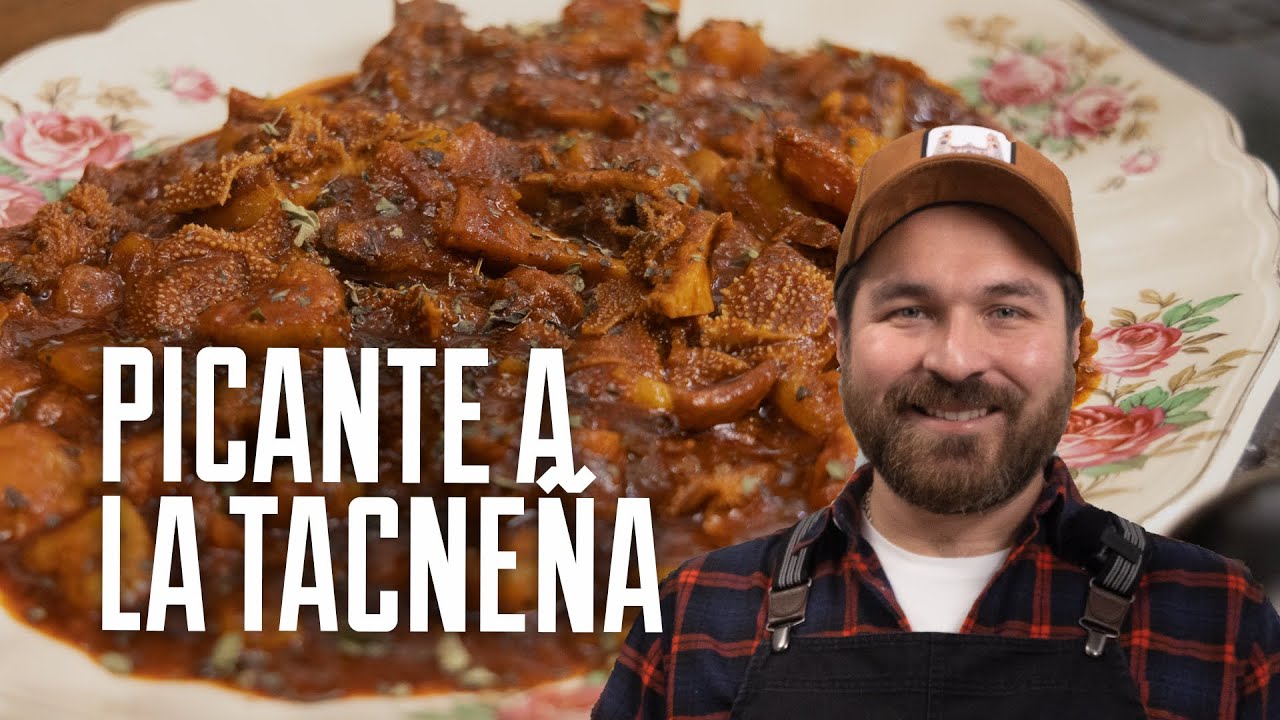
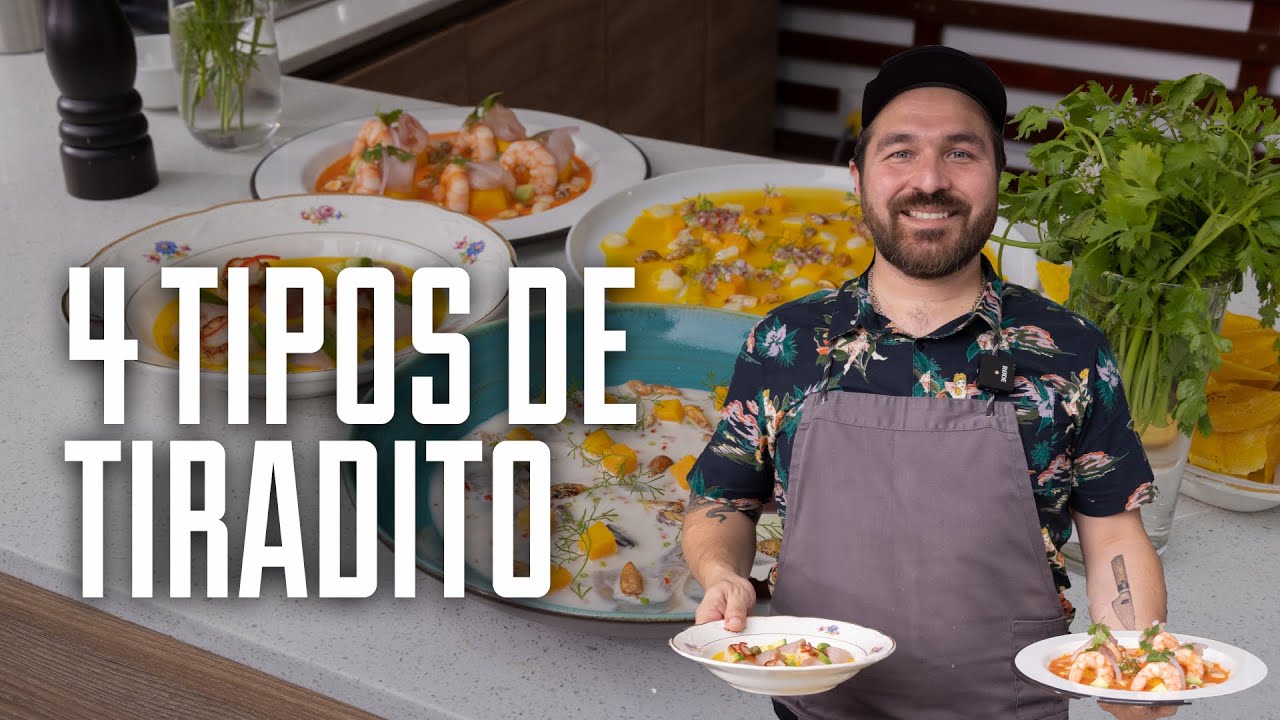
Giacomo Bocchio teaches two versions of cau cau: the classic tripe (mondongo) preparation and a seafood variation with fish, shrimp, scallops, and mussels. Both share the same aromatic garlic-and-yellow-chili base, finished with fresh turmeric, peas, and spearmint.
download Extracted 2026-03-31
Ingredients
Aderezo
- 16 piece Ají amarillo (deseeded, blended into raw paste)
- 8 cloves Garlic (minced)
- 1 piece Fresh turmeric (palillo) (grated)
Finish
- 4 sprigs Fresh spearmint
Seafood Cau Cau
- 200 g Firm white fish (cubed, marinated with salt, pepper, lime)
- 150 g Large shrimp (cleaned, butterflied)
Traditional Cau Cau
- 500 g Pre-cooked tripe (mondongo) (cut into 1-1.5 cm cubes)
Vegetables
- 400 g Yellow potatoes (1-1.5 cm cubes)
- 150 g Fresh peas (shelled)
Steps
-
1Blanch tripe in cold water, discard first water. Simmer 15-20 min in hot water. Reserve broth.Tip: Start tripe in cold water (expansion cooking).~20 min
-
2Make shared aderezo: sauté garlic, add ají amarillo paste, cook until oil-based paste forms. Add cumin and grated palillo.Tip: The aderezo is ready when the liquid evaporates and you're left with fragrant fat.~15 min
-
3Split aderezo into two pans. Add tripe broth to one, fish stock to the other. Add potatoes to both. Simmer 10-12 min.Tip: One master aderezo split across two pans is the restaurant technique.~12 min
-
4Add tripe to traditional pan. Add spearmint and peas to both. Add seafood to marinero pan. Finish with seared fish and shrimp. Serve hot.Tip: The fish is already seared — only needs gentle warming, not more boiling.~5 min
Nutrition (por porción)
480
Calorías
32g
Proteína
38g
Carbohidratos
18g
Grasa
5g
Fibra
Cultural Context
Cau cau is one of Peru's most beloved stews. Its origin is debated: Quechua roots, African culinary influence, or Chinese meaning 'small cuts.' Traditionally made with tripe and seasoned without onion, relying on garlic, yellow chili, and fresh turmeric (palillo).