› Browse Recipes › Mondonguito a la Italiana (Peruvian-Italian Tripe Stew)
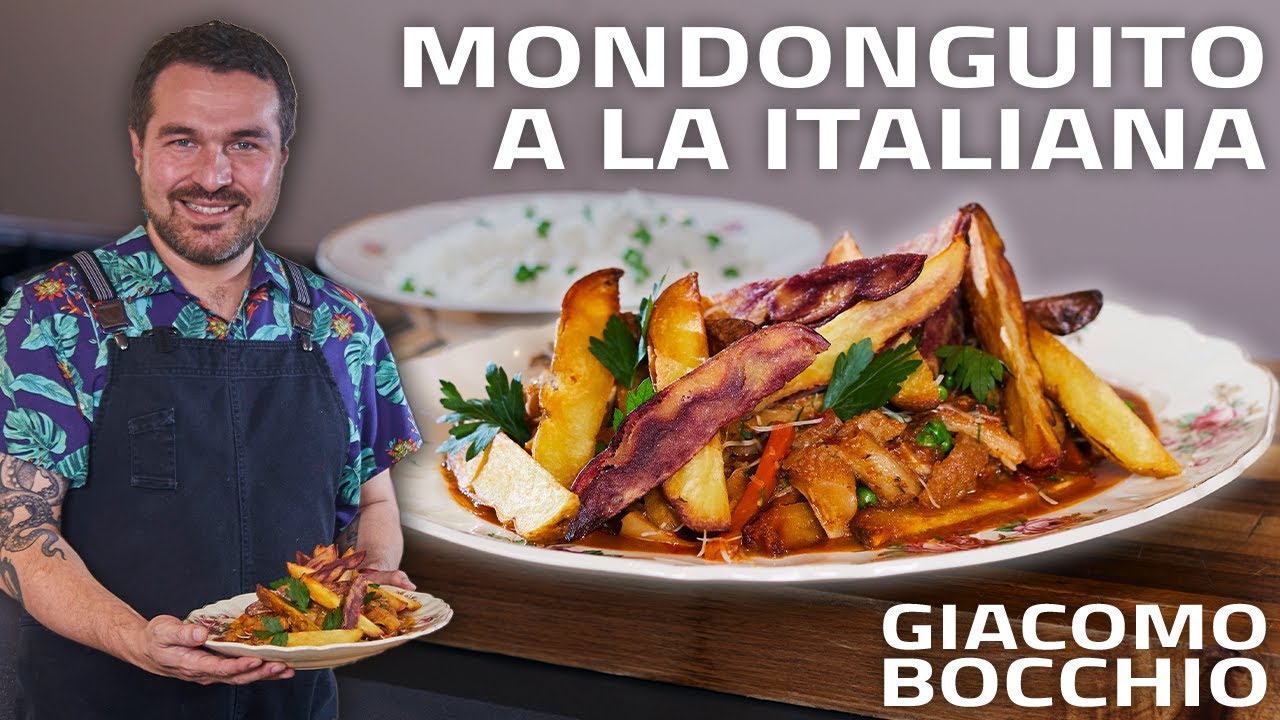
Mondonguito a la Italiana (Peruvian-Italian Tripe Stew)
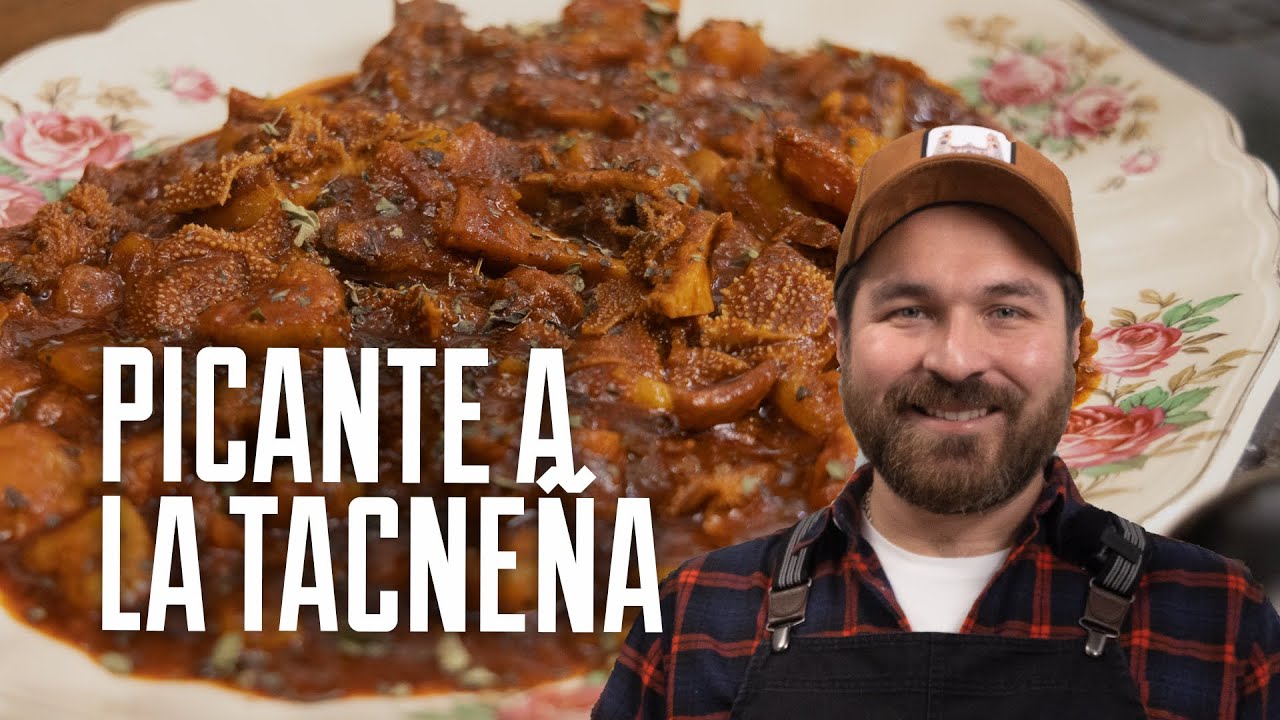
A classic Peruvian criollo stew made with beef tripe (mondongo) slow-cooked in a rich, tomato-based sauce seasoned with ají panca, ají amarillo, white wine, bay leaves, and dried mushrooms — topped with crispy twice-cooked Huayro potatoes, green peas, parsley, and Parmesan cheese. A budget-friendly dish born from the Italian immigration to Peru in the late 19th and early 20th centuries, evoking dishes like trippa alla fiorentina and trippa alla romana but given a distinctly Peruvian soul.
download Extracted 2026-03-31
Ingredients
Court-Bouillon
- 2 L Water (for court-bouillon)
- 1 stalk Leek (Rough chop)
- 2 stalks Celery (Rough chop)
- 0.5 unit Onion (for court-bouillon) (Rough chop)
- 2 cloves Garlic (for court-bouillon) (Crushed)
- 2 leaves Bay leaves (for court-bouillon)
- 3 sprigs Fresh spearmint / hierbabuena
- 1 unit Carrot (for court-bouillon) (Rough chop) optional
Fried Potatoes
- 600 g Huayro potatoes (or waxy yellow potatoes) (Steamed the day before, refrigerated overnight, cut into thick wedges/batons with skin on)
- as needed Frying oil (Heated to 170–180 °C)
Sofrito Base
- 4 tbsp Vegetable oil
- 1 large White onion (Brunoise (fine dice))
- 4 cloves Minced garlic (Minced or paste)
- 3 tbsp Ají panca paste (Paste)
- 2 tbsp Ají amarillo paste (Paste)
- 3 medium Tomatoes (concassé) (Blanched, peeled, seeded, and diced (concassé))
- 2 tbsp Tomato paste
- 120 ml White wine
- 2 leaves Bay leaves (for stew)
- 1 tsp Ground cumin
- to taste Black pepper (Freshly ground)
- 20 g Dried porcini mushrooms (or similar strong dried mushrooms) (Rehydrated in warm water, then chopped)
Stew
- 2 medium Carrot (for stew) (Cut into batons)
- 150 g Fresh green peas (Shelled; added raw at the end off heat)
- 10 g Parsley (chiffonade) (Finely sliced chiffonade; reserve some whole leaves for garnish)
- 40 g Parmesan cheese (Grated) optional
To Serve
- to serve Cooked white rice optional
Tripe
- 700 g Beef tripe (honeycomb/book tripe) (Cut into medium rectangles, then into batons after cooking)
Steps
-
1The day before: Steam the Huayro potatoes whole, with skin on. Let them cool completely, then refrigerate overnight. This firms the skin so it adheres well during frying and gives the potato a thermal advantage when hitting hot oil.Tip: The overnight cold rest is key to getting extra-crispy skin on the fried potato.~30 min
-
2Rehydrate the dried mushrooms: Place them in a bowl with warm water for at least 15 minutes. Drain and roughly chop.~15 min
-
3Make the tomato concassé: Score a small cross on the bottom of each tomato and remove the stem end. Blanch in boiling water for 20–30 seconds until the skin starts to split, then transfer immediately to ice water to stop cooking. Peel, quarter, remove seeds, and dice finely.Tip: Riper tomatoes need less time in the boiling water. Use a sharp knife and only cut the skin, not the flesh, when scoring.~10 min
-
4Prepare the court-bouillon: Place cold water, leek, celery, onion, garlic, bay leaves, spearmint, and optional carrot in a pot. Bring to the boil starting from cold (expansion cooking) to saturate the broth with flavour.Tip: Starting cold draws maximum flavour from the aromatics into the liquid.~10 min
-
5Cook the tripe: Once the court-bouillon is boiling, add the tripe pieces (concentration cooking — hot liquid seals the exterior). Simmer over medium heat for 35–45 minutes until the tripe is tender but still has a slight bite. Remove the tripe with a spider/slotted spoon and spread on a flat tray to cool. Reserve the cooking broth.Tip: Spreading on a flat tray rather than a bowl speeds up cooling significantly. If using domestic (national) tripe, extend cooking to about 2 hours.~45 min
-
6Build the sofrito: Heat a wide, heavy pot until very hot, then add the oil. Add the brunoise onion and cook over high heat, stirring, until lightly golden (about 3–4 minutes). Add the minced garlic and stir briefly.Tip: Pre-heating the pot means the cold onion drops the temperature less, allowing quicker caramelisation.~5 min
-
7Add ají panca paste and cook over medium heat for 5–7 minutes, stirring frequently, until it loses its raw smell and darkens slightly. Ají panca needs the longest cooking time of all the chillies as it is indigestible when raw.Tip: Chillies are thermosensitive — heat modifies their compounds and reduces bitterness; give them proper time.~7 min
-
8Add ají amarillo paste and cook for a further 3–4 minutes, then add the tomato concassé. Cook, stirring, until the tomatoes almost dissolve into the sauce (about 5 minutes). Reduce heat slightly if the mixture is cooking too fast.Tip: The aderezo is ready when the fat separates and rises to the sides — 'cortado' or 'matado' in Peruvian kitchen language.~8 min
-
9Add the ground cumin, bay leaves, a generous grind of black pepper, white wine, and the chopped rehydrated mushrooms. Stir well and cook for 2–3 minutes so the wine reduces slightly and the aromatics integrate.Tip: The combination of bay leaf and white wine is a flavour classic — it evokes Italian-influenced Peruvian criollo cooking.~3 min
-
10Add the tomato paste and stir to combine. Add the carrot batons, then ladle in about 1–2 cups of the reserved tripe broth to moisten the stew. The liquid will cook the carrots and build the saucy base.Tip: The tripe broth is packed with gelatin and umami — use it instead of water or stock for a much deeper flavour.~5 min
-
11Cut the cooled tripe into batons (cook in larger pieces first, then cut — this keeps their shape). Add the tripe batons to the stew, stir to coat, and add more reserved broth so the stew is quite saucy. Bring to a final simmer for 5–8 minutes to amalgamate all flavours.Tip: Cutting tripe into final batons only after cooking prevents them from falling apart and becoming mushy.~8 min
-
12Turn off the heat. Add the fresh green peas — they will cook with the residual heat. Add a final grind of black pepper and stir in the chiffonade parsley, reserving some for garnish.Tip: Peas added off heat stay bright green and retain a fresh sweetness.~2 min
-
13Fry the potatoes: Remove the chilled pre-cooked potatoes from the fridge and cut into thick wedges or large batons, skin on. Heat frying oil to 170–180 °C. Fry in batches until golden and very crispy (about 4–5 minutes per batch). Drain on paper towels.Tip: The cold pre-cooked potato creates a thermal shock when it hits the hot oil — this is the secret to a supremely crispy exterior with a creamy floury interior.~10 min
-
14To serve: Place some crispy potato wedges in the base of a shallow bowl or deep plate. Spoon the mondongo stew generously over and alongside the potatoes so they begin to absorb the sauce. Grate or shave Parmesan on top, add more crispy potatoes on top, and finish with whole parsley leaves and remaining chiffonade. Serve immediately with white rice on the side.Tip: Some potatoes go in the base to soak up the sauce, and more go on top to stay crispy — the contrast of textures is essential to the dish.~5 min
Nutrition (per serving)
450
Calories
30g
Protein
35g
Carbs
20g
Fat
5g
Fiber
Cultural Context
Mondonguito a la Italiana is a Peruvian criollo dish with strong Italian influence, most likely created in Peru toward the end of the 19th century or the beginning of the 20th century during the significant Italian immigration wave to the country. It echoes Italian tripe preparations such as trippa alla fiorentina and trippa alla romana but merges them with Peruvian pantry staples — ají panca, ají amarillo, and native potato varieties. Serving the stew with crispy fried Huayro potatoes (a Peruvian heritage variety) alongside white rice is quintessentially Peruvian. The dish celebrates 'nose-to-tail' cooking and demonstrates that exceptional flavor can be achieved with humble, inexpensive ingredients.
Giacomo Bocchio
TE VOY A ENSEÑAR A PREPARAR UN MONDONGUITO A LA ITALIANA | GIACOMO BOCCHIO
Watch on YouTube →