› Browse Recipes › Picante a la Tacneña (Tacna-Style Spicy Tripe Stew)
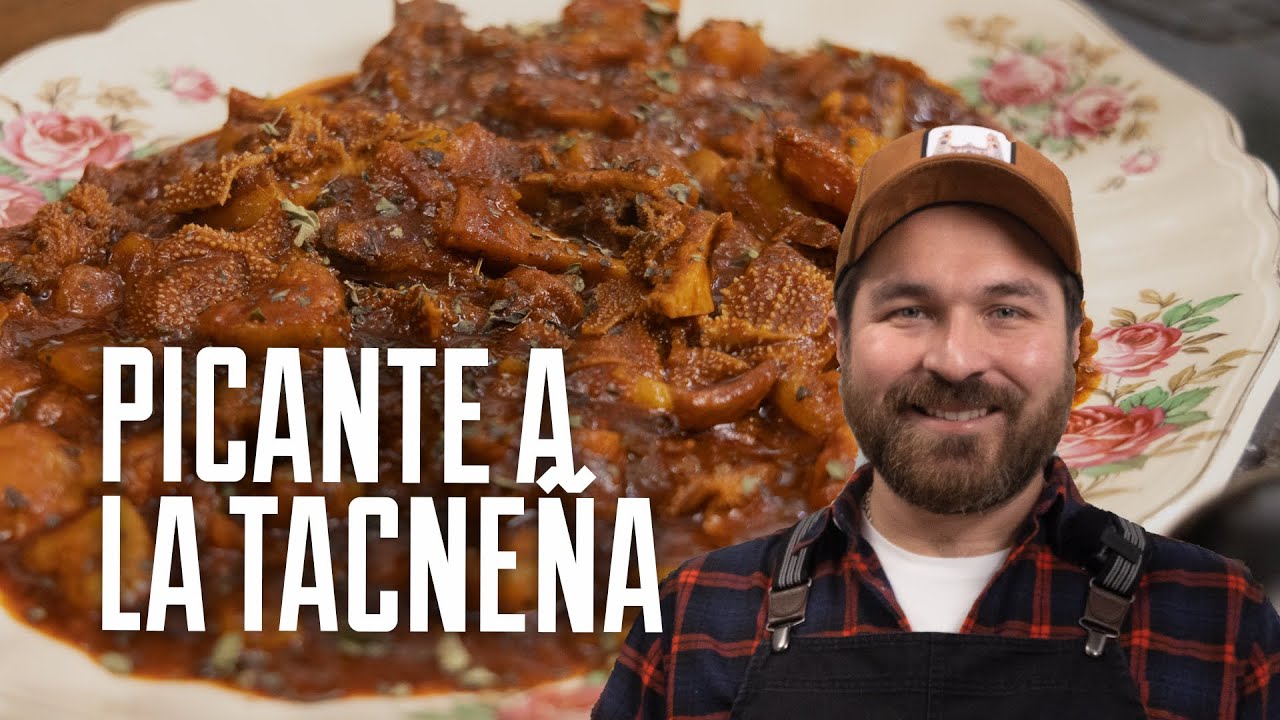
Picante a la Tacneña (Tacna-Style Spicy Tripe Stew)
The iconic dish of Tacna, Peru — a hearty, slow-cooked stew of beef tripe (mondongo), book tripe (librillo), beef foot, and chalona (dried lamb), simmered in a deeply complex chile base made from ají panca, paprika, and mirasol chiles cooked over firewood for 8–15 hours. The potatoes are broken by hand, never cut with a knife. Served with marraqueta bread and red wine, this dish is the soul of Tacna.
download Extracted 2026-03-31
Ingredients
Chile Base
- 200 g Ají panca paste (ají quemado) (dried ají panca deseeded, soaked, boiled, blended with water, strained, then slow-cooked with oil over firewood 8–15 hours until deeply concentrated; the characteristic 'tés' (fat cap) forms on top)
- 30 g Paprika (soaked, boiled and blended together with the ají panca)
- 30 g Dried mirasol chile (ají mirasol) (soaked, boiled and blended together with the ají panca paste)
Proteins
- 600 g Beef tripe (mondongo) (cleaned, cooked in large pieces, then cut into bite-sized pieces after cooking)
- 300 g Book tripe (librillo) (cleaned, cooked together with mondongo in large pieces, then cut into bite-sized pieces)
- 300 g Beef foot (pata de res) (pre-cooked with achiote until gelatinous and tender)
- 150 g Chalona (dried/salt-cured lamb) (added whole to the cooking broth for flavor; also some finely shaved/minced for the sauce)
- 50 g Charqui (dried alpaca or llama meat) (shaved or torn into thin strips, added to the sauce) opcional
Sauce
- 500 ml Tripe cooking broth (reserved from the mondongo and chalona cooking liquid; used to moisten the stew)
Seasoning
- 10 g Dried oregano (from Tarata or Chipaya) (crumbled between the hands and added during cooking and again as a finish garnish)
- 3 tbsp Olive oil (used in the pan to start the sauce)
- to taste Achiote (annatto) (used when pre-cooking the pata de res for color)
- to taste Salt (from the chalona during broth; adjust at the end)
To Serve
- 6 rolls Marraqueta bread (warmed in the oven; served alongside the stew)
- to serve Red wine (Tacna local or similar) (served alongside the dish, as is traditional in Tacna) opcional
Vegetables
- 600 g Black potatoes (papa negra / papa mariva) (boiled with skin on, peeled, then broken into rustic chunks by hand — never cut with a knife)
Steps
-
1Make the ají quemado base (can be done days in advance): Deseed the dried ají panca and soak in water until rehydrated. Do the same with the dried mirasol chiles and paprika. Bring all to a boil, then remove from the water. Blend with enough water to form a smooth, pourable paste. Strain through a fine sieve. Place the strained paste in a wide pot with a generous amount of oil over a wood fire (or very low gas heat) and cook for 8 to 15 hours, stirring occasionally, until deeply concentrated. As it reduces, the oil will separate and form a protective fat cap ('tés') on the surface. The paste will be dark, rich, and intensely flavored.Tip: If visiting Tacna, buy ready-made ají quemado at any market — it is the key to the dish's complexity and worth the effort. At home, cooking it over gas works but will not replicate the wood-fire character.~540 min
-
2Blanch the tripe: Place the mondongo and librillo (in large pieces — do not cut) in a pot with cold water. Bring to a boil, then immediately turn off the heat, drain, and discard this first water. This removes any off-odors.Tip: Always cook tripe in large pieces before cutting — it will fall apart if pre-cut.~15 min
-
3Cook the tripe broth: Return the blanched mondongo and librillo to a clean pot with fresh cold water and a piece of chalona (with its salt). Bring to a boil, then reduce to a gentle simmer. Cook for 1 hour 30 minutes to 2 hours (or 30 minutes in a pressure cooker, though the broth will be less flavorful). Starting from cold water maximizes both meat and broth flavor. Reserve the flavorful broth.Tip: The cooking broth is essential — it becomes the mojar (liquid) for the final stew. Season carefully; the chalona contributes significant saltiness.~105 min
-
4Cook the potatoes: Boil the black/mariva potatoes in their skins until just cooked through but still firm (not mushy). Drain, peel, and allow to cool slightly. With very clean hands, break each potato into large rustic chunks — this is a defining tradition of the dish; using a knife is not done in Tacna.Tip: Use a waxy, firm-fleshed variety. The hand-breaking technique releases starch at the broken edges, which naturally thickens the stew while leaving identifiable potato chunks.~30 min
-
5Cut the cooked tripe: Once the mondongo and librillo have finished cooking and cooled slightly, cut them into bite-sized pieces. Also cut or shave the pre-cooked pata de res into pieces.~10 min
-
6Build the stew: Heat a wide, shallow pot over medium heat. Add the olive oil, then add the ají quemado base along with any reserved fat (tés). Add the dried oregano, crumbling it between your fingers as you go. Stir and allow the base to heat through — it is already cooked so this is just activation.Tip: A wide, shallow pot is ideal as it promotes evaporation and concentration of flavors.~5 min
-
7Add the proteins: Add the cut mondongo and librillo, the pata de res pieces, some finely minced chalona, and shaved charqui. Stir well so everything is coated in the chile base.Tip: As Giacomo's grandfather says: 'the picante is a tripe dish — it carries potatoes, but it is a tripe dish.' Add plenty of mondongo.~5 min
-
8Add the cooking broth and simmer: Pour in enough of the reserved mondongo cooking broth to moisten the stew. Let it reduce and concentrate over medium-low heat, allowing all flavors to meld. This is a slow-cooked dish — let it take its time.Tip: Add the broth gradually. You want a saucy but not soupy consistency.~15 min
-
9Add the potatoes: Gently fold in the hand-broken potato chunks. Stir carefully so they absorb the sauce without completely falling apart — some small pieces will naturally thicken the stew while the larger chunks remain as distinct bites.~5 min
-
10Finish and serve: Taste and adjust salt. Serve generous portions in deep bowls, spooning extra sauce over the top. Finish with a pinch of crumbled dried oregano. Warm the marraqueta bread in the oven. Serve the stew with warm marraqueta and, as is traditional in Tacna, with a glass of red wine.Tip: The picante can also be served with rice, but the traditional accompaniment is marraqueta bread. The dish reheats beautifully and the flavors deepen overnight.~5 min
Nutrition (por porción)
480
Calorías
38g
Proteína
32g
Carbohidratos
20g
Grasa
4g
Fibra
Cultural Context
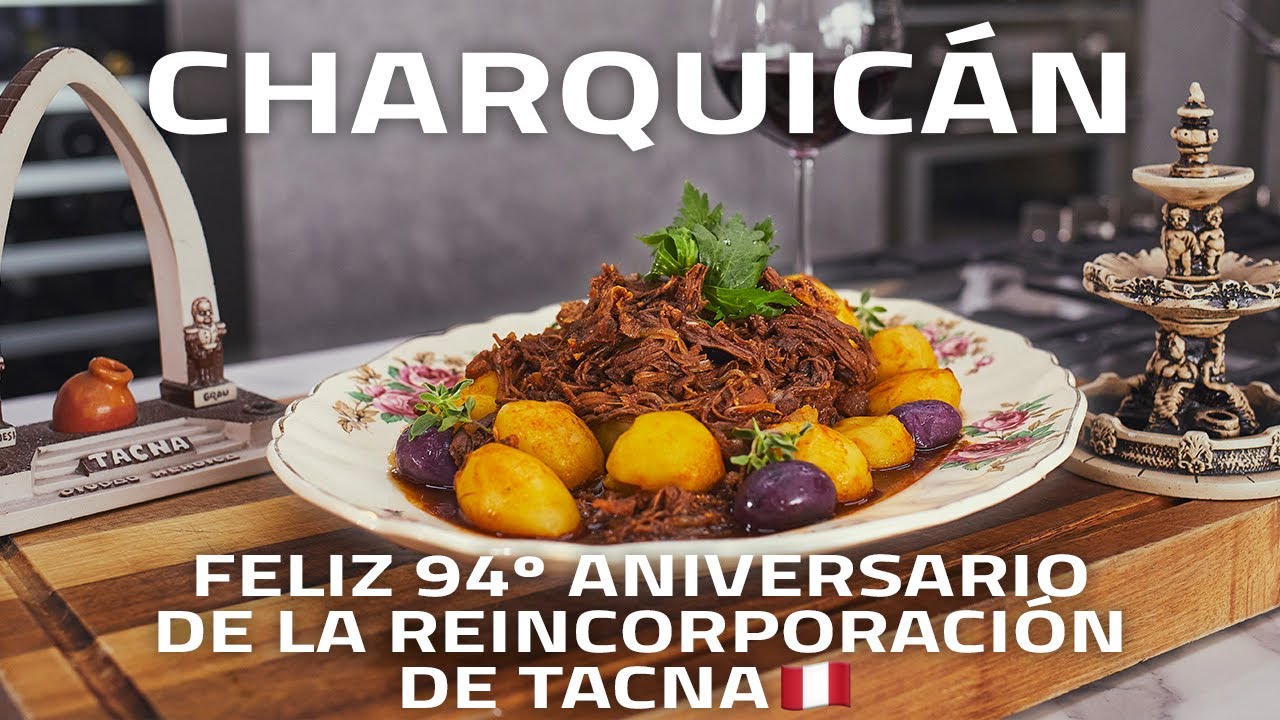
Picante a la Tacneña is the flagship dish of Tacna, the southernmost city of Peru, celebrated every August 28th for its reincorporation into Peru after 49 years and 3 months of Chilean occupation. The dish reflects Tacna's Mediterranean-influenced culinary tradition — shaped by Italian immigrants who settled there in the 19th century — as well as its strong Andean roots. Traditionally, potatoes are broken by hand (never cut with a knife), the ají base is slow-cooked over firewood for many hours, and the dish is always accompanied by local red wine and marraqueta bread. Chef Giacomo Bocchio is a native tacneño and prepares this recipe as a personal tribute to his grandmother Nelly and great-grandmother María Luisa Granja de Bocchio.