› Browse Recipes › Chicken Escabeche
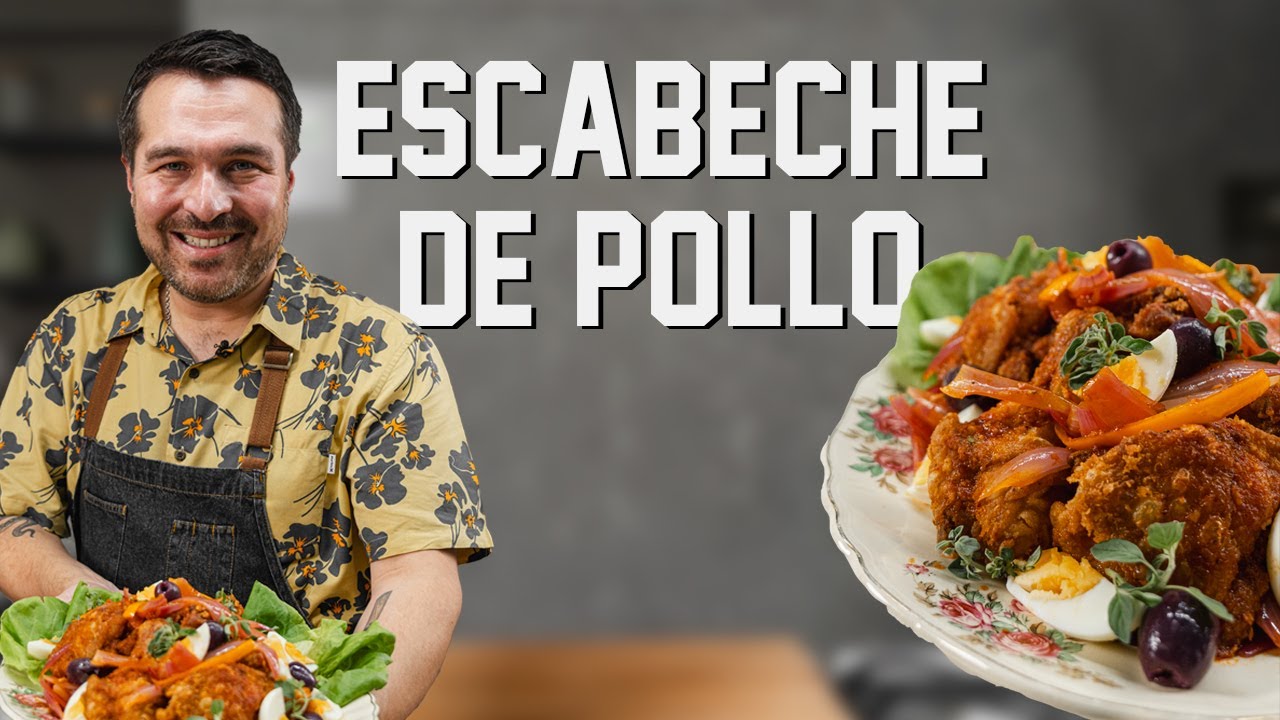
Chicken Escabeche
A beloved Peruvian chicken escabeche recipe passed down from Giacomo's grandmother. Bone-in chicken pieces are brined, marinated with lime and cumin, deep-fried until golden and crispy, then bathed in a vibrant sauce of aji panca, red onion, yellow aji peppers, red wine vinegar, and chicken stock. Best prepared a day ahead and served cold as a refreshing summer starter.
download Extracted 2026-03-30
Ingredients
Chicken
- 8 pieces chicken legs and thighs (bone-in) (brined in 10% salt solution for 30 minutes)
Chicken Coating
- 1 cup all-purpose flour (seasoned with cumin, salt, and pepper)
- 4 cups vegetable oil (for deep frying at 160-180°C)
Chicken Marinade
- 2 tbsp lime juice (freshly squeezed)
- 1 tsp cumin (toasted whole seeds, freshly ground)
- 0.5 tsp black pepper (freshly ground)
Escabeche Sauce
- 3 tbsp olive oil (Tacna olive oil preferred)
- 6 cloves garlic (minced)
- 3 tbsp aji panca paste (cook at least 12-15 minutes until no longer raw)
- 2 leaves bay leaves
- 1 bunch fresh oregano (fresh preferred; dried oregano as substitute)
- 0.75 cup red wine vinegar (used to deglaze the pot)
- 1 tsp sugar (to balance acidity)
- 1 cup chicken stock (concentrated, well-flavored)
Garnish
- 2 medium sweet potato (boiled and sliced)
- 2 units hard-boiled eggs (halved)
- 8 units black olives
- 4 leaves lettuce leaves (for serving base) optional
Seasoning
- 1 to taste salt
Vegetables
- 3 units yellow aji pepper (halved, deveined, deseeded, cut into thick julienne/batons)
- 2 large red onion (halved, cut into thick wedges (3 cuts per half))
Steps
-
1Brine the chicken legs and thighs in a 10% salt solution for 30 minutes. Bone-in pieces need longer brining (30 min vs 20 min for boneless).Tip: The extra salt from brining balances well with the acidity of the escabeche.~30 min
-
2Marinate the brined chicken with lime juice, ground cumin, and black pepper. Rub well into all pieces, keeping the skin on for better frying.Tip: Toast whole cumin seeds and grind them yourself for much more potent flavor.~5 min
-
3Prepare seasoned flour by mixing flour with a pinch of cumin, salt, and pepper. Coat each chicken piece thoroughly in the seasoned flour.Tip: Work on trays in an organized station, not in small bowls.~5 min
-
4Deep-fry the floured chicken at 160-180°C (320-360°F) for 15-20 minutes until golden and cooked through. Use a digital thermometer to monitor oil temperature. Check doneness by piercing to the bone — clear serum means done, blood means raw, nothing means overdone.Tip: Use a spider strainer (araña) instead of a slotted spoon — it drains more grease. Rest chicken on a wire rack, not paper towels, to stay crispy.~20 min
-
5While chicken fries, prepare the vegetables: cut aji amarillo in half, remove veins and seeds, slice into thick julienne batons. Cut red onions in half, then into thick wedges (3 cuts per half).Tip: Cut vegetables in large, rustic pieces — grandmother-style.~10 min
-
6Heat olive oil in a casserole over medium heat. Sauté minced garlic until it starts to stick to the bottom. Add aji panca paste and cook on low heat for at least 12-15 minutes to eliminate rawness. Add bay leaves and fresh oregano.Tip: Aji panca is indigestible when raw — it must be properly cooked. The garlic sticking to the base is a good sign: you will deglaze it with vinegar.~15 min
-
7Raise heat slightly, deglaze the pot with red wine vinegar, scraping all the fond from the bottom. The pot should be completely clean — all that flavor is now in the sauce. Add a pinch of sugar to balance acidity.Tip: Pushing your cooking to the edge — the deglazing step — is where you truly elevate flavors.~3 min
-
8Add concentrated chicken stock to extend the sauce and soften the vinegar intensity. Bring to a boil, then add the sliced aji amarillo and red onion wedges. Season with salt, cover, and simmer for 5 minutes. The vegetables should remain slightly crunchy.Tip: The chicken stock distinguishes this restaurant-level escabeche from home versions. Salt makes the onion and aji release their moisture into the sauce.~8 min
-
9Taste and adjust seasoning with salt and a final hit of black pepper. Turn off heat. Optionally, add the fried chicken directly to the pot and turn to coat, or plate separately and sauce on top.Tip: Be careful tasting the hot vinegar sauce — blow on it first to avoid choking on the vinegar steam.~2 min
-
10Plate on lettuce leaves with boiled sweet potato slices for height and sweetness. Place the fried chicken, ladle the escabeche sauce with vegetables generously over it. Garnish with hard-boiled egg halves, black olives, fresh oregano, and a drizzle of olive oil.Tip: Best made a day ahead — the flavors meld and the vegetables continue to pickle in the vinegar. Serve cold or at room temperature for a perfect summer dish.~5 min
Nutrition (per serving)
350
Calories
20g
Protein
35g
Carbs
15g
Fat
3g
Fiber
Cultural Context
Escabeche is a preservation method that arrived in Peru through the Moorish-Spanish culinary exchange. The Moriscas (daughters of Moors born in Spain) brought it to Peru along with key ingredients like the Saudi lime. Originally a fish preparation, chicken escabeche became a staple of Peruvian home cooking. In Peruvian culinary tradition, dishes served with olives are classified as starters (entradas). The lettuce leaf base is a traditional Peruvian serving custom that served as an edible plate, similar to a taco. Giacomo's grandmother Nelli from Tacna made her escabeche with corvina, taking advantage of the colder southern Peruvian waters that produce fattier, more flavorful fish.
Giacomo Bocchio
ESCABECHE DE POLLO. El plato que más me gustaba de mi abuela.| GIACOMO BOCCHIO
Watch on YouTube →