› Browse Recipes › Oriental Christmas Roast Chicken
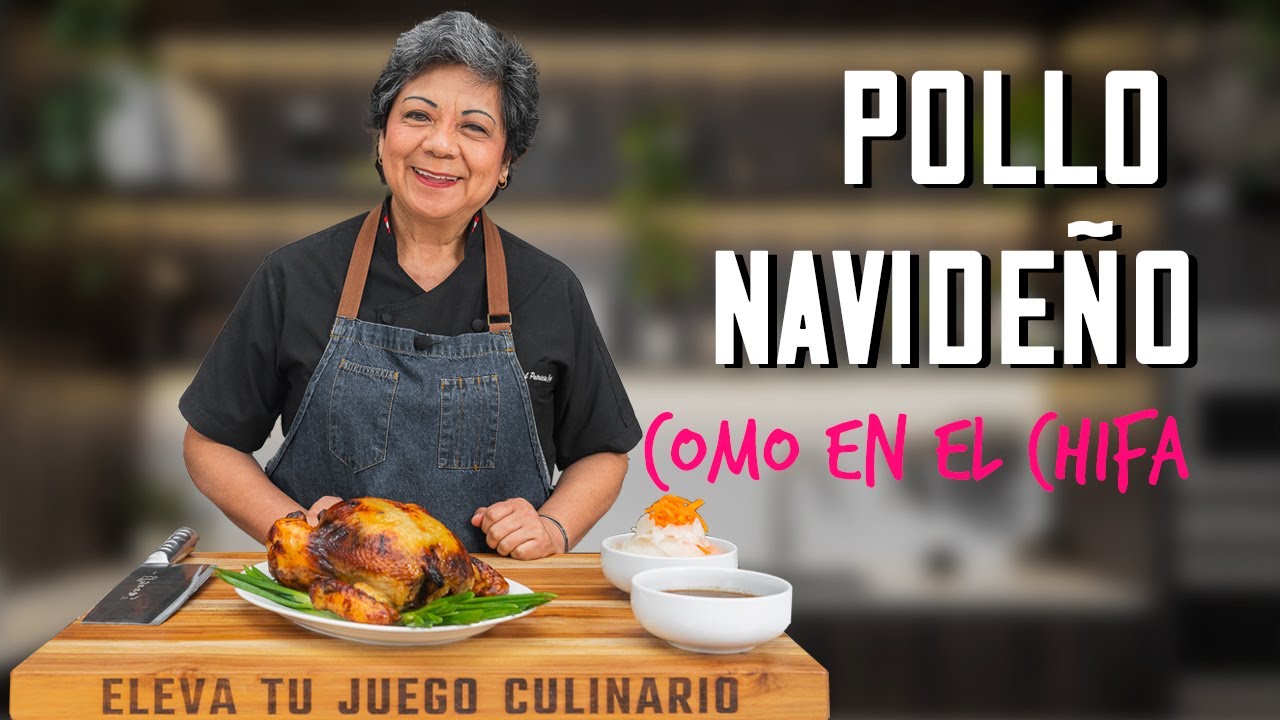
Oriental Christmas Roast Chicken
A festive oriental-style roast chicken with a deeply aromatic marinade featuring five-spice powder, hoisin sauce, soy sauce, star anise, and cloves. The chicken is brined, massaged with ginger and scallions, marinated internally, then roasted and glazed with a honey-vinegar-soy mixture. Finished with a rich sauce made from the pan drippings and reserved marinade. A cherished Bocchio family recipe adapted for the home cook.
download Extracted 2026-03-31
Ingredients
Glaze
- 40 g White vinegar (or rice vinegar)
- 30 g Soy sauce (for glaze)
- 30 g Honey (dissolved in vinegar first)
Main
- 2.2 kg Whole chicken (brined at 10%) (brined, cleaned, viscera removed)
Marinade
- 30 g Ginger (kion) (cleaned with skin, crushed)
- 4 whole Scallions (Chinese green onion) (crushed/bruised)
- 40 g Garlic puree
- 5.5 g Five-spice powder (Chinese cinnamon)
- 15 g Salt
- 30 g Hoisin sauce
- 25 g Pisco (or rice wine) (aromatic pisco preferred)
- 5 g Black pepper, ground
- 40 g Soy sauce (sillao)
- 80 g White sugar
- 15 whole Whole cloves
- 2 whole Star anise (crushed to release seeds)
- 25 g Sesame oil
Roasting
- 30 ml Vegetable oil (for greasing rack and final glaze)
- 15 ml Sesame oil (final glaze) (mixed with vegetable oil for final brush)
Sauce
- 15 g Oyster sauce (for pan sauce, optional) optional
- 200 ml Chicken stock (unsalted)
- 10 g Cornstarch (maicena) (dissolved in cold water for slurry)
Steps
-
1Start with a whole chicken that has been brined at 10% (pre-soaked in a 10% salt brine). Ensure all viscera, lungs, and kidneys have been removed and the chicken is clean.Tip: Giacomo references his other videos for the brining technique. A 10% brine means roughly 100g salt per liter of water, soaked overnight.
-
2Crush the ginger (with skin on) and scallions by lightly pounding them to release their juices. Rub the entire exterior surface of the chicken with the crushed ginger and scallions for 10-15 minutes — front, back, wings, legs, everywhere. This imparts aroma and tenderizes the skin.Tip: Be gentle enough not to tear the skin. The massaging action also improves the meat texture.~15 min
-
3Prepare the marinade: combine salt, white sugar, five-spice powder, soy sauce, garlic puree, hoisin sauce, pisco (or rice wine), sesame oil, ground black pepper, whole cloves, and crushed star anise in a bowl. Crush the star anise to release the small seeds inside each petal — these carry the most aroma. Add the used ginger and scallions from the rubbing step. Let the marinade rest 10-15 minutes to integrate.Tip: Star anise is called 'pac coc' in Chinese — 'pac' means eight and 'coc' means points, referring to its eight-pointed flower shape.~15 min
-
4Apply the marinade to the interior cavity of the chicken. Push it in with your hands, rubbing thoroughly — including the breastbone area, back, and all internal surfaces. Break the thin membrane separating the thigh muscles from the cavity on both sides, and push marinade into these pockets as well. Gently separate the skin from the breast meat with your fingers, allowing marinade to penetrate under the skin.Tip: Work with very clean hands — they are your best tool for this job. Be careful not to tear the skin while separating it from the meat.~15 min
-
5Seal the cavity openings: use bamboo skewers (or kitchen twine with a needle) to close the bottom opening. Tuck the wings behind the back. Tie the legs together with kitchen twine. Rub any remaining marinade over the exterior skin. Reserve any leftover marinade liquid for the sauce later.Tip: Bamboo skewers are sturdier than toothpicks for sealing. The closure concentrates the marinade flavors inside during roasting.~5 min
-
6Refrigerate the marinated chicken for a minimum of 12 hours (up to 3 days) to allow the flavors to deeply penetrate the meat.Tip: Longer marination yields more flavorful results. Cover the chicken while refrigerating.~720 min
-
7Set up for roasting: place a wire rack over a baking tray. Oil the rack to prevent sticking. Place the chicken on the rack breast-side up. Pour hot water into the tray below (about 1/3 the height of the tray). Roast at 190°C (375°F) for 45 minutes.Tip: The water in the tray creates steam that keeps the chicken moist and catches drippings for the sauce.~45 min
-
8Prepare the glaze: dissolve honey in the vinegar, then mix in the soy sauce. At 35 minutes into roasting, brush the chicken with the glaze. Return to the oven. Reduce temperature to 175-180°C (350°F) and roast for an additional 45 minutes, basting with glaze once or twice more.Tip: The glaze caramelizes through the Maillard reaction, building a beautiful lacquered color and complex flavor.~45 min
-
9Remove the chicken from the oven. Brush with a final glaze of sesame oil mixed with vegetable oil for shine and to prevent drying. Let the chicken rest for 30-45 minutes (up to 1-1.5 hours in a restaurant setting) before carving — this is critical to retain juices.Tip: Do not skip the resting step or you will lose all the juices when carving.~40 min
-
10Make the sauce: remove the skewers and twine. Scoop out all the internal marinade/aromatics and reserve. Collect the pan drippings (liquid and fat) from the roasting tray. Heat the fat in a pan over moderate heat. Sauté sliced garlic and ginger until golden. Add the reserved internal marinade solids and the original leftover marinade. Add a splash of oyster sauce and soy sauce. Add a bit of sugar for balance. Pour in unsalted chicken stock. Bring to a boil, taste, and adjust seasoning. Thicken with a cornstarch slurry to a light, silky consistency. Finish with sesame oil and pepper. Strain the sauce before serving.Tip: Use two spoons when tasting — never re-dip a tasted spoon as the amylase in saliva can break the sauce. The sauce should be aromatic and savory, not sweet.~15 min
-
11Carve the chicken and serve with the strained sauce. Suggested accompaniments: arroz chaufa (fried rice), white rice, or pickled daikon (nabo encurtido).
Nutrition (per serving)
420
Calories
38g
Protein
18g
Carbs
22g
Fat
1g
Fiber
Cultural Context
Chifa cuisine represents the fusion of Chinese and Peruvian culinary traditions, born from Chinese immigration to Peru in the 19th century. This festive roast chicken is a Christmas celebration dish rooted in chifa tradition, where oriental techniques like five-spice marinades and soy-based glazes meet Peruvian ingredients like pisco. Chef Giacomo Bocchio learned this recipe from his father and served it at their restaurant, adapting it here for home cooks. The star anise is called 'pac coc' in Chinese — meaning 'eight points' — referencing the flower's shape.
Giacomo Bocchio
TE ENSEÑO A PREPARAR LA MEJOR OPCIÓN DE POLLO NAVIDEÑO ORIENTAL | ELEVA TU JUEGO CULINARIO
Watch on YouTube →