› Browse Recipes › Tamalitos Verdes Peruanos
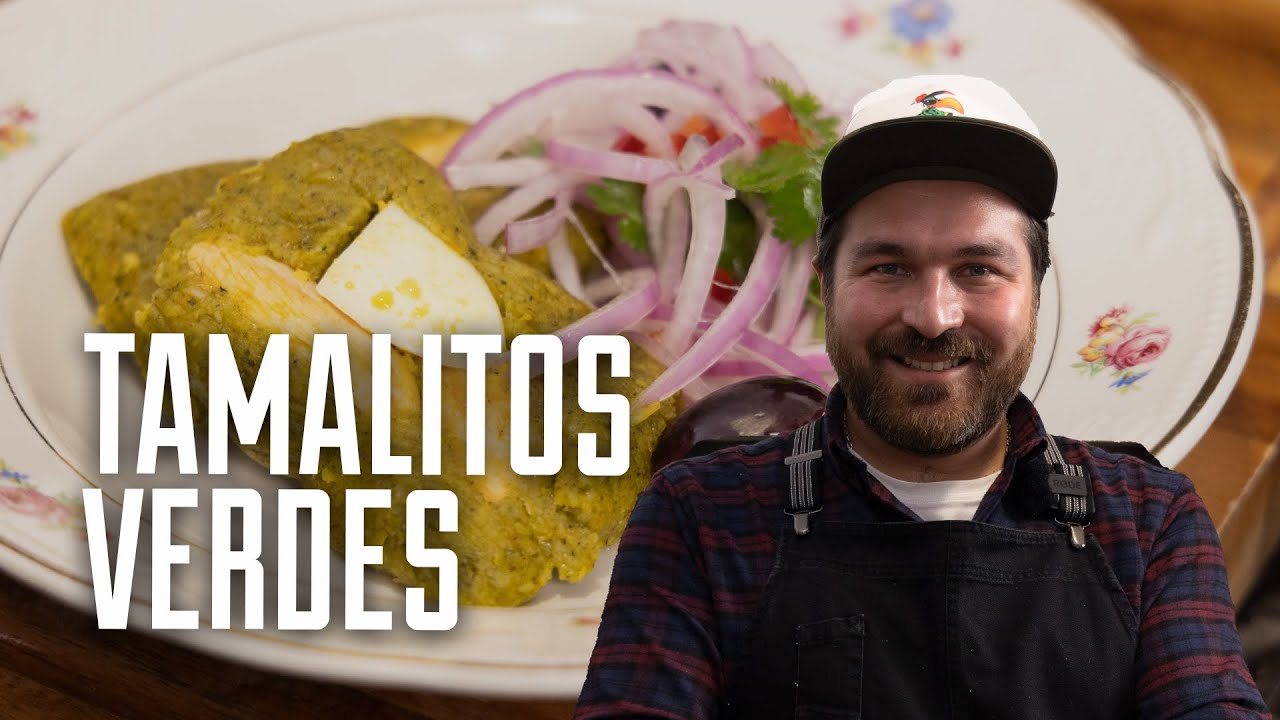
Tamalitos Verdes Peruanos
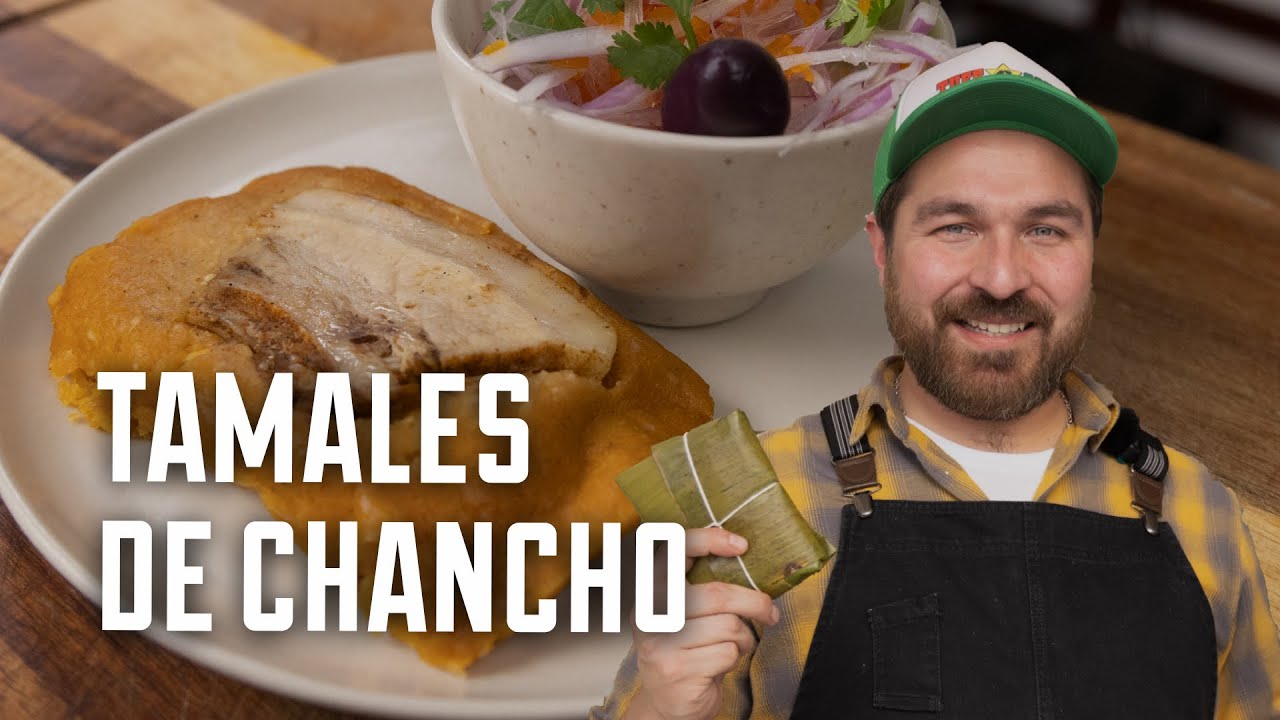
Traditional Peruvian green tamales made with fresh corn masa, cilantro, and aji amarillo, filled with marinated chicken, boiled egg, and Tacna olives, steamed in corn husks.
download Extracted 2026-03-31
Ingredients
- 12 ears choclo maduro (ripe Peruvian corn)
- 160 g mantequilla (butter)
- 100 g ajo pelado (garlic, peeled)
- 0.5 bunch culantro (cilantro), leaves only
- ají amarillo (yellow chili)
- pollo (chicken breast or thigh)
- jugo de limón (lime juice)
- sal (salt)
- pimienta recién molida (freshly ground black pepper)
- comino molido (ground cumin)
- 2 yemas de huevo (egg yolks)
- huevo duro (hard-boiled egg)
- aceitunas tacneñas (Tacna-style black olives)
- clorofila de espinaca (spinach chlorophyll)
- aceite vegetal (vegetable oil)
- pabilo (cotton twine) or corn husks strips
Steps
-
1Cut chicken into batons (bastoncitos). Season with lime juice, salt, and freshly ground pepper. Mix well and marinate for approximately 20 minutes. Note: lime juice requires a little extra salt to balance.
-
2Remove the stems and seeds from the ají amarillo peppers (deveining and deseeding reduces heat). Cut in half, clean with a knife. Blend the chili flesh with a small amount of water until smooth.
-
3Separate only the leaves from the cilantro — discard stems, as they oxidize faster and are less aromatic. Blend leaves with a small amount of water until smooth.
-
4Pass the ripe corn kernels through a grain mill (molino) to create a coarse corn paste/puree. Use mature choclo, not tender corn — it has less liquid and more concentrated flavor.
-
5In a pot or pan over medium-low heat, melt the butter and add the garlic. Cook gently without browning — just soften it. After about 4 minutes, add the ají amarillo paste. Cook for 10–15 minutes, stirring, until the fat separates (the paste becomes granular and you can see the base of the pot). This means the chili is fully cooked.
-
6Once the ají is fully cooked and fat separated, add the cilantro paste. Cook well — the green will first intensify then turn olive/military green (normal). Season with salt and ground cumin. Mix well.
-
7Add the ground corn (choclo puree) to the aderezo. Stir constantly — the high starch content makes it prone to sticking. Cook until the mixture thickens and concentrates, reaching a compact but not liquid texture. Do not stop stirring. This step cooks away the raw corn flavor.
-
8Once the masa is done, optionally add a little spinach chlorophyll to restore the vibrant green color. Turn off heat and let the masa cool to approximately 70°C. Then fold in 2 egg yolks by hand until fully incorporated — they add fat, creaminess, and flavor. Portion into 70g balls.
-
9Heat vegetable oil in a pan over high heat. Sauté the marinated chicken until golden (Maillard reaction). Add a little garlic and ají amarillo paste to perfume and color the chicken. Cook until done. This is the filling.
-
10Blanch the corn husks (pancas) in boiling water for 2 minutes to soften them, making them easier to work with. The base/bottom of the husk is harder — blanching makes it pliable. Also disinfects them.
-
11Place a 70g ball of masa in the center of a corn husk. Spread it out with clean hands. Add a piece of sautéed chicken, a wedge of hard-boiled egg, and one olive. Fold the husk over to enclose the filling. Wrap with a second husk and tie with cotton twine in a cross pattern (or knot a strip of corn husk). Repeat for all tamalitos.
-
12Steam the tamalitos for 15 minutes. Because the masa was pre-cooked, 15 minutes is sufficient to set them and finish cooking. If you don't have a steamer, use the corn cobs and extra husks as a rack inside a pot. Serve warm.
Nutrition (por porción)
380
Calorías
22g
Proteína
35g
Carbohidratos
18g
Grasa
3g
Fibra
Cultural Context
Tamalitos verdes are a cornerstone of Peruvian coastal cuisine, particularly associated with Chiclayo and the northern coast. Unlike Mexican tamales wrapped in dried husks, Peruvian tamalitos use fresh corn husks and are smaller and more delicate. The green color comes from blended cilantro mixed into the corn masa. They are a staple of Sunday family breakfasts and celebrations. This recipe follows the tradition of Chef Gloria Hinostroza, one of Peru's most respected culinary educators.
Giacomo Bocchio
Watch on YouTube →