› Browse Recipes › Perfect Peruvian Tamales
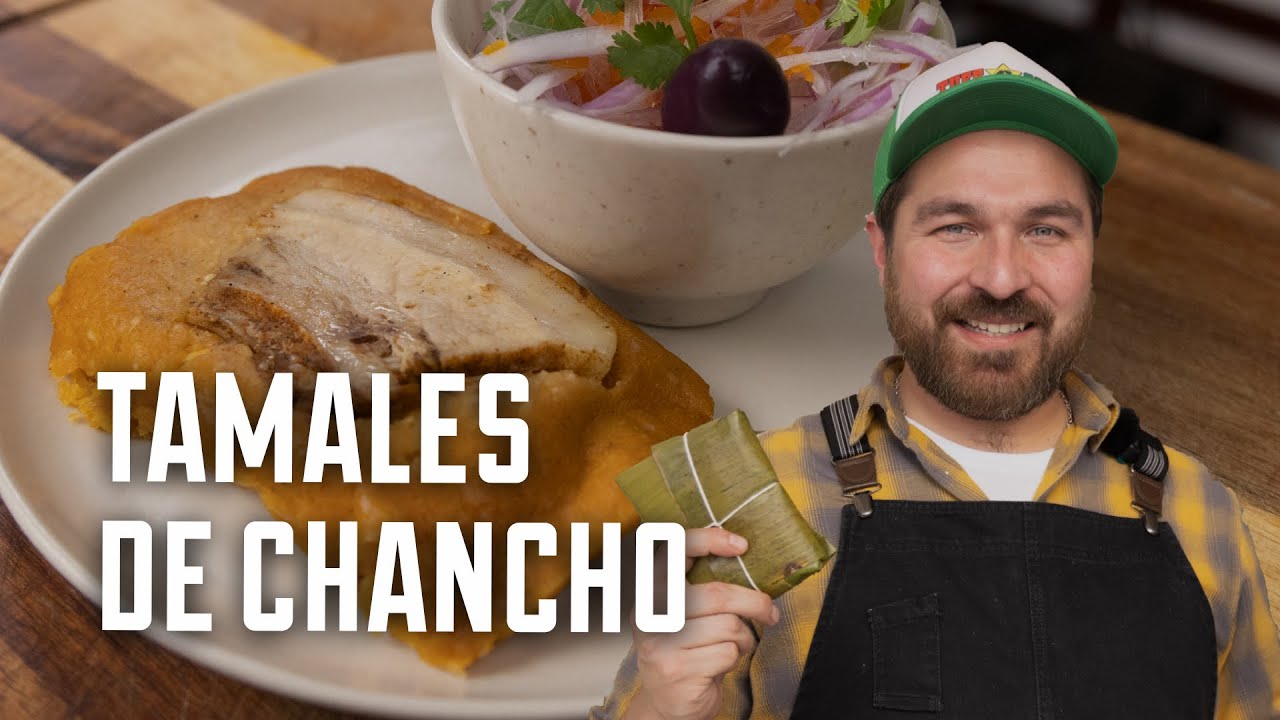
Perfect Peruvian Tamales
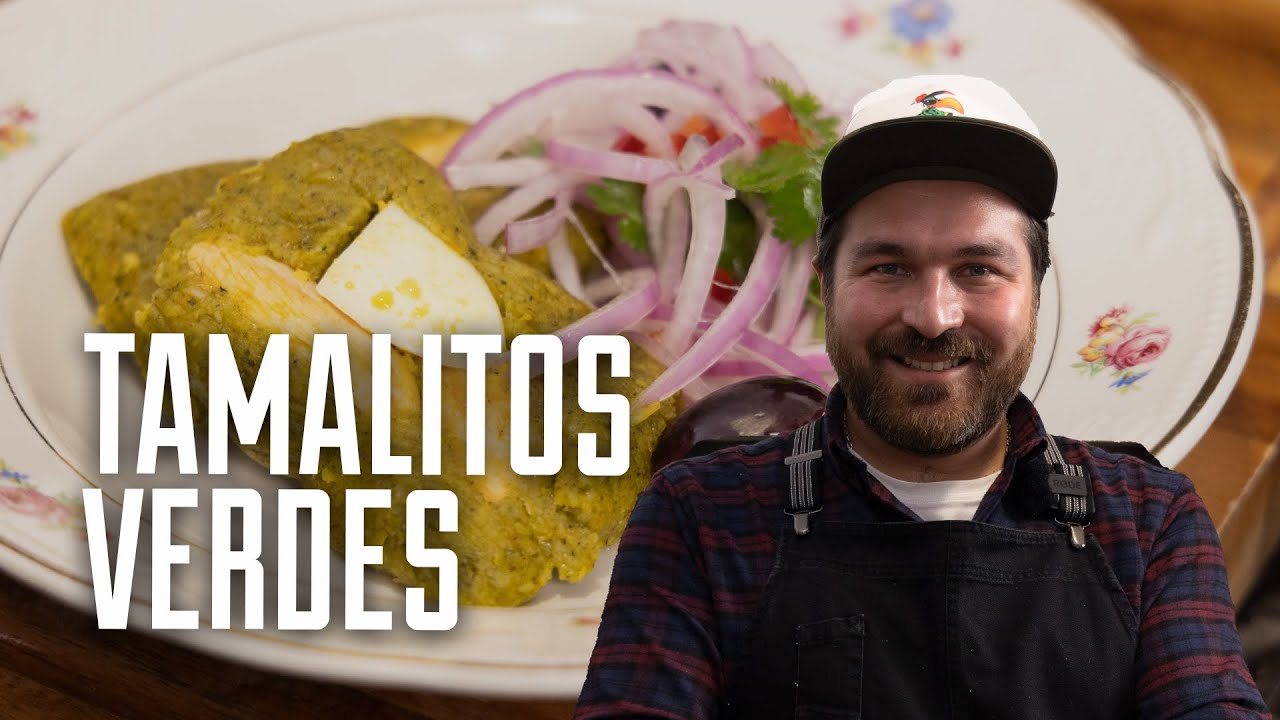
Complete recipe for classic Peruvian tamales with nixtamalized mote corn dough, pork and aji amarillo filling, wrapped in banana leaves and steamed to perfection.
download Extracted 2026-03-30
Ingredients
Acompañamiento
- 12 piece Black olives (Para servir con la salsa criolla) opcional
- 1 cup Criolla sauce (onion relish) (Cebolla, limón, ají amarillo, sal)
Aderezo
- 2 piece Onion (Picada finamente)
- 6 clove Garlic (Picado finamente)
- 4 tbsp Aji amarillo paste (Pasta de ají amarillo)
- 3 tbsp Aji panca paste (Pasta de ají panca)
- 1 tsp Black pepper (Tostada y recién molida)
- 1 tsp Cumin (Tostado y molido)
- 1 to_taste Salt
Envoltura
- 12 piece Banana leaves (Limpiadas con paño húmedo y pasadas por fuego)
Masa
- 1 kg Nixtamalized mote corn (Licuado con caldo de pollo y molido en moledora)
- 2 cup Chicken broth (Para licuar el mote)
- 200 g Pork lard (Derretida)
- 3 tbsp Peanut butter (Para cremosidad)
- 2 tbsp Annatto oil (Para dar color)
Relleno
- 500 g Pork (breast or leg) (Cocido y cortado en trozos generosos)
- 2 piece Fresh aji amarillo pepper (Cortado en lunas y salteado a fuego fuerte)
Steps
-
1Prepare the mote corn: blend half the nixtamalized mote with chicken broth for creaminess, and grind the other half in a mill for texture. Do not substitute with polenta.Tip: La nixtamalización quita el pericarpio del maíz y mejora sus propiedades nutritivas. Siempre usar mote, nunca polenta.~15 min
-
2Make the aderezo: in a pot with plenty of hot pork lard, sauté the diced onion until slightly browned. Add minced garlic, toasted ground pepper, toasted ground cumin, and salt.Tip: Cocinar hasta que el aderezo se 'corte' — cuando se reduce el líquido de la cebolla y queda más grasa que agua, unos 8-10 minutos.~10 min
-
3Add the aji amarillo and aji panca pastes to the aderezo. Cook until the flavors meld well, approximately 30 minutes total from the start of the aderezo.Tip: Se puede usar ají mirasol en lugar de amarillo para un sabor más profundo e intenso.~20 min
-
4Lower heat to minimum and add the mote corn mixture (blended and ground) to the aderezo. Begin 'tamalaring' — stir constantly with a firm spatula for 30-35 minutes without stopping to prevent sticking to the pot bottom.Tip: Este proceso de atamalado no solo cocina el maíz sino que lo carameliza ligeramente, dándole un sabor superior. Es trabajo físico intenso.~35 min
-
5Turn off the heat and add the peanut butter and annatto oil to the dough. Mix well until fully incorporated.Tip: La mantequilla de maní agrega cremosidad y untuosidad — es el toque especial de Giacomo. El achiote compensa la pérdida de color durante el vapor.~5 min
-
6Prepare the filling: cut fresh aji amarillo into half-moons and sauté over high heat to caramelize. Cut the cooked pork into generous pieces.Tip: Cuidado al saltear el ají — libera vapores picantes. Abrir ventanas y alejar a los niños.~10 min
-
7Weigh 150g balls of dough. Prepare the banana leaves: clean with a damp cloth, cut to size, and pass over flame to make them more pliable.Tip: Las hojas de plátano son más amplias y fáciles de trabajar que las de bijao.~15 min
-
8Assemble the tamales: place 150g of dough on the banana leaf, shape with hands, add a piece of aji amarillo and a generous piece of pork. Fold the leaf protecting the pork downward, flip and fold again. Tie with kitchen string.Tip: Doblar siempre protegiendo el corte de cerdo con el exceso de hoja para que no se sobrecocine al vapor.~20 min
-
9Steam the tamales in a steamer for 30-45 minutes. Let rest for 20 minutes before opening so they set and firm up.Tip: No abrir inmediatamente al sacarlos del vapor — estarán blanditos todavía. El reposo es clave.~45 min
-
10Serve the tamales with criolla sauce and black olives on the side. The olives are better placed in the criolla than inside the tamal, so each person can choose.Tip: Giacomo prefiere las aceitunas en la criolla en vez de dentro del tamal para que quien no las quiera pueda evitarlas.
Nutrition (por porción)
420
Calorías
18g
Proteína
45g
Carbohidratos
20g
Grasa
4g
Fibra
Cultural Context
Peruvian tamales are deeply rooted in the country's culture, tied to memories of tamaleras selling in the streets on Sunday mornings. Nixtamalization, a technique shared with Mexican culinary tradition, enhances the nutritional properties of Andean mote corn. Giacomo associates them with hunting afternoons at his family's farm in Tacna.