› Browse Recipes › Festive Chow Mein (Tallarin Chaimin) with Chicken and Chasu Pork
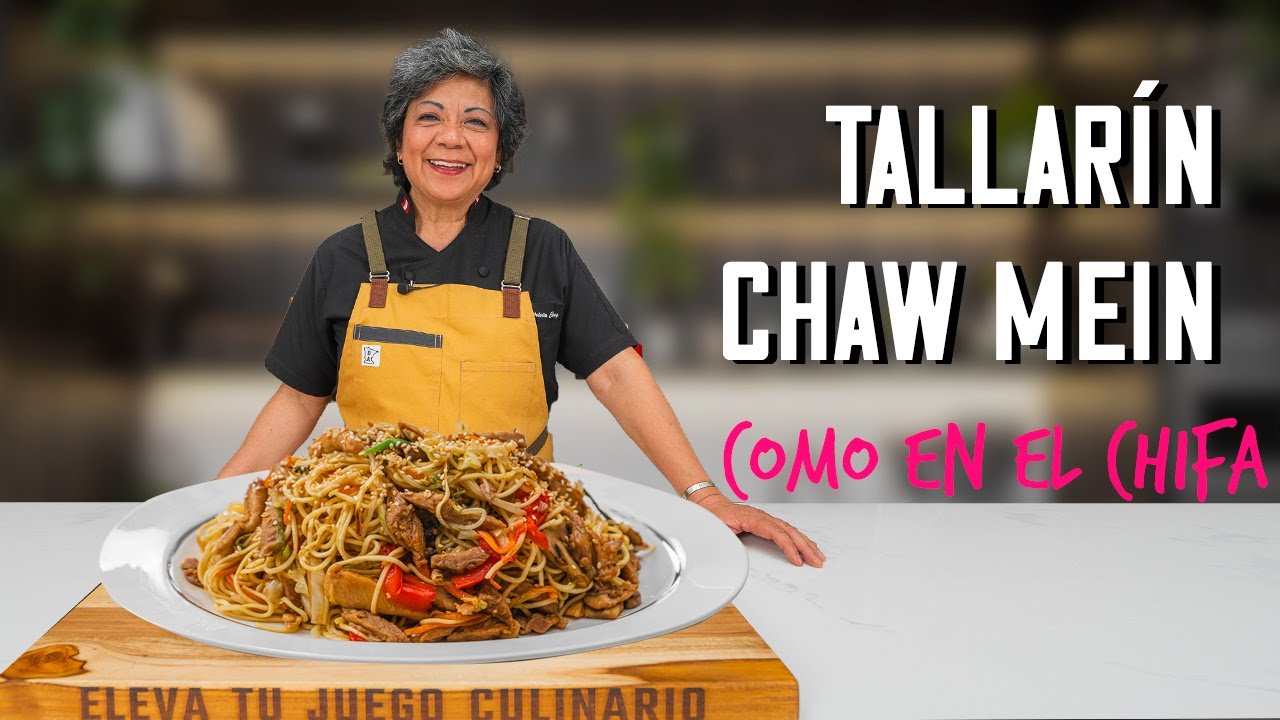
Festive Chow Mein (Tallarin Chaimin) with Chicken and Chasu Pork
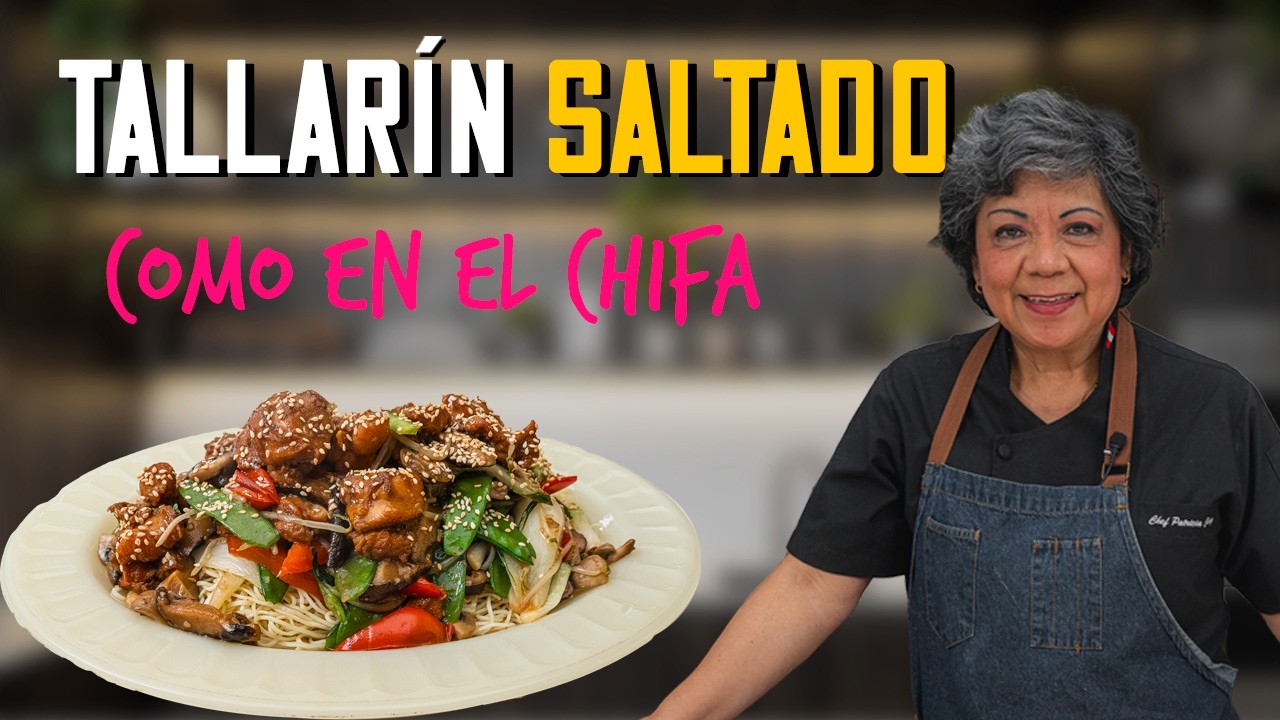
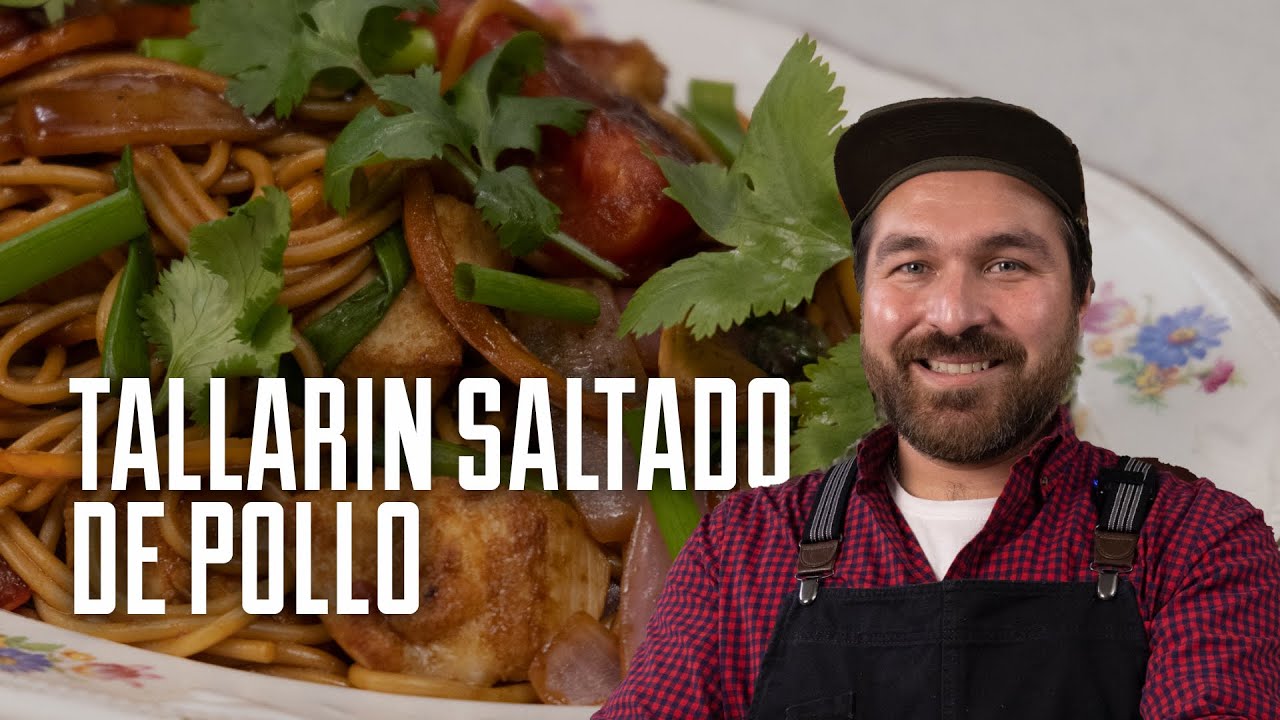
A celebratory Peruvian-Chinese chifa noodle dish (tallarin chaomin) featuring marinated chicken strips and sliced chasu pork belly stir-fried with julienned vegetables, mushrooms, and savory oriental sauces. Presented in both the traditional Peruvian chifa style (noodles on the bottom, stir-fry on top) and the mixed American-Chinese style. Perfect for New Year's festivities — in Chinese culture, long noodles symbolize longevity and pork brings good fortune.
download Extracted 2026-03-31
Ingredients
Aromatics
- 3 cloves Garlic (finely minced)
- 3 slices Fresh ginger (kion) (sliced, used to infuse/aromatize the oil then removed)
Chicken Marinade
- 1 tbsp Dark soy sauce (for chicken marinade)
- 1 tbsp Rice wine or pisco (for chicken marinade (pisco substitutes Chinese rice wine))
- 1 tsp Potato starch (chuño) or cornstarch (maicena) (for chicken marinade; also diluted in water for sauce thickening at end)
- to taste Seasoning powder (sazonador) (small pinch for marinade and final seasoning)
- to taste Salt (for marinade and final seasoning only if needed)
- to taste Black pepper (for marinade and final seasoning)
Noodles
- 200 g Egg noodles (tallarin) (pre-cooked (sancochado), cooled, lightly oiled)
Protein
- 200 g Chicken thigh or breast fillet (cut into 7mm strips (bastones), fat gland removed)
- 100 g Chasu pork (braised pork belly) (sliced 4mm thick, then julienned)
Stir-Fry Sauce
- 2 tbsp Oyster sauce (added to stir-fry)
- 1 tbsp Light soy sauce (added to stir-fry)
- 1 tsp Sugar (for balance in stir-fry sauce)
- 3 tbsp Chicken or vegetable stock (small splash added to loosen stir-fry)
- 1 tsp Sesame oil (aceite ajonjolí) (added at end for finishing aroma)
- 3 tbsp Neutral cooking oil (for seasoning wok/pan and stir-frying)
Vegetables
- 80 g Mushrooms (champignons) (pre-sautéed without salt until golden)
- 1 medium Carrot (thinly sliced on the diagonal, then julienned)
- 0.5 unit Red or yellow bell pepper (julienned thinly, excess internal membrane removed)
- 80 g Cabbage (col) (thick ribs removed, leaves cut diagonally in max 1cm julienne)
- 3 stalks Green onion (scallion) (cut diagonally into thin julienne strips, including green tops; added at end)
- 2 stalks Chinese garlic chives (caucho / ajo chino) (trimmed, cut into batons; added at the very end)
- 50 g Bean sprouts (frejolito chino) (added near end of stir-fry)
Steps
-
1Cut the chicken thigh (or breast) fillet into strips about 7mm wide (bastones). Remove any fat gland found at the joint of the thigh. Set aside.Tip: You can use chicken thigh for juicier results or breast for a leaner option.~5 min
-
2Marinate the chicken strips: combine with salt, black pepper, a pinch of seasoning powder, dark soy sauce, rice wine or pisco, potato starch (chuño) or cornstarch, and a small splash of water to help everything integrate. Mix well and leave to marinate for 15 minutes.Tip: Pisco is a great substitute for Chinese rice wine — it performs the same tenderizing and flavoring role.~15 min
-
3Slice the chasu pork into 4mm-thick slices, then cut those slices into thin julienne strips. Use a clean cutting board (separate from the raw chicken) to avoid cross-contamination.Tip: Check the previous chasu recipe video to learn how to prepare the braised pork belly.~5 min
-
4Prepare all the vegetables: julienne the carrot (thin diagonal slices then cut into strips); julienne the bell pepper; cut the cabbage by removing thick inner ribs and slicing the leaves diagonally up to 1cm strips; cut the green onion diagonally into julienne, including the green tops; trim the Chinese garlic chives (caucho) and cut into batons.Tip: Keep the garlic chives (caucho) and green onion separate — they go in at the very end of cooking.~10 min
-
5Sauté the mushrooms in a hot seasoned (curada) pan without adding salt, so they don't release liquid. Let them brown, then set aside and keep warm.Tip: No salt on mushrooms during sautéing — salt draws out moisture and prevents browning.~5 min
-
6In the same seasoned pan, add the pre-cooked (sancochado), cooled noodles with a light coating of oil to prevent sticking. Season with salt and a pinch of seasoning powder. Stir-fry until the noodles are lightly toasted/golden. Remove and set aside. This is the base for the Peruvian chifa presentation.Tip: Use a well-seasoned (curada) pan so the noodles don't stick. The noodles should be cold before frying for best texture.~5 min
-
7Heat oil in the wok/pan over high heat. Add the sliced ginger and let it infuse and lightly brown the oil to perfume it, then remove the ginger pieces. Add the finely minced garlic and stir until it turns amber in color.Tip: Using ginger slices instead of minced ginger lets you get the aroma without the chewy texture in the final dish.~3 min
-
8Add the marinated chicken strips to the aromatic oil and stir-fry over high heat until the chicken is cooked through and golden.~5 min
-
9Add the julienned vegetables: carrot first, then cabbage, then bell pepper. Stir-fry briefly on high heat.~2 min
-
10Add the sauces: oyster sauce, light soy sauce. Add the sugar for balance. Pour in a small splash of chicken stock to loosen the stir-fry. Note: do not add extra salt at this stage — taste at the end.Tip: The soy sauce provides plenty of sodium — salt only at the very end if truly needed.~2 min
-
11Add the pre-sautéed mushrooms, the sliced chasu pork, and the bean sprouts (frejolito chino). Stir to combine everything.~1 min
-
12Add the garlic chives (caucho) and season the mixture with a final touch of soy sauce, seasoning powder, black pepper, and sesame oil. Thicken the sauce with diluted potato starch (chuño) or cornstarch, stirring until the sauce coats everything and the stir-fry is glossy.Tip: Dilute the starch in a little cold water before adding to the hot pan to avoid lumps.~2 min
-
13Add the previously stir-fried noodles into the pan and toss everything together, mixing noodles through the chicken and vegetable stir-fry. Add extra bean sprouts and garlic chives at this stage if desired. Finish with the julienned green onion stirred through at the very end.Tip: This mixed version is the American-Chinese style. For the traditional Peruvian chifa style, plate the noodles on the bottom and place the stir-fry mixture on top instead.~2 min
-
14Serve immediately. For the Peruvian chifa style: place the golden stir-fried noodles as a base on the plate and spoon the chicken and vegetable stir-fry on top. For the mixed style: serve with everything tossed together in the wok.Tip: This dish is ideal for New Year's celebrations — in Chinese culture, long noodles symbolize longevity and pork brings good fortune.
Nutrition (por porción)
450
Calorías
25g
Proteína
48g
Carbohidratos
16g
Grasa
3g
Fibra
Cultural Context
Tallarin chaomin (chow mein) is a cornerstone of Peruvian chifa cuisine — the unique fusion of Chinese immigrant cooking with Peruvian ingredients developed over 150+ years. Long noodle dishes are considered celebratory foods in Peruvian-Chinese culture, especially for New Year's. Pork (chancho) is prized for symbolizing good luck and prosperity. The dish reflects two plating traditions: the Peruvian chifa style where noodles sit beneath the stir-fry, and the mixed style common in Chinese-American restaurants. Chasu (chashu) — the Japanese-influenced braised pork belly — has been adopted into chifa cooking as a flavourful protein. Caucho (Chinese garlic chives, ajo chino) is a signature aromatic in chifa kitchens.
Giacomo Bocchio
TE ENSEÑO A PREPARAR UN TALLARÍN FESTIVO PARA AÑO NUEVO ¦ ELEVA TU JUEGO CULINARIO CON PATI CHONG
Watch on YouTube →