› Browse Recipes › Stir-Fried Chicken Noodles (Tallarín Saltado de Pollo)
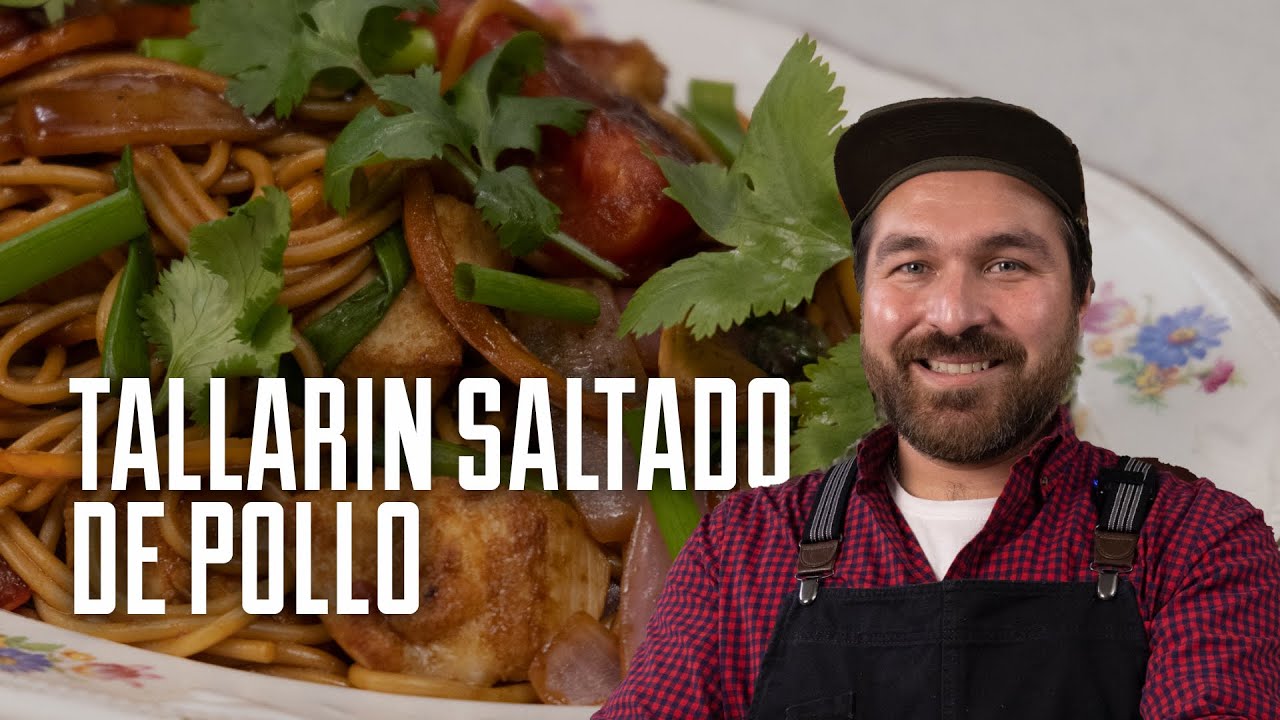
Stir-Fried Chicken Noodles (Tallarín Saltado de Pollo)
A classic Peruvian stir-fry that combines Italian-style spaghetti with wok-seared chicken, ají amarillo, onion, tomato and cilantro in a bold soy-vinegar-oyster sauce. Ready in about 20 minutes, this criollo staple impresses guests while being one of the easiest dishes in the Peruvian repertoire.
download Extracted 2026-03-31
Ingredients
Chicken
- 300 g Chicken breast (brined in 10% salmuera, then cut into 3–4 cm cubes)
- 3 tbsp Vegetable oil
Pasta
- 200 g Spaghetti (dry)
- 2 L Water (for boiling pasta) (salted generously, brought to a boil)
- to taste Salt (for pasta water) (as salty as seawater)
Pre-mix Sauce
- 3 tbsp Soy sauce (sillao)
- 1 tbsp White vinegar
- 2 tbsp Oyster sauce
- 1 small piece Fresh ginger (grated with skin on, then squeezed to extract juice; add juice to pre-mix)
- 60 ml Chicken stock (or water) (used to deglaze the pan)
Vegetables
- 1 medium Onion (halved, core removed, cut into even wedges)
- 1 unit Ají amarillo (yellow chili pepper) (veins and seeds removed, cut into julienne strips)
- 1 medium Tomato (halved, peduncle removed, seeds kept for extra juice)
- 2 stalks Green onion (scallion) (sliced, for garnish and aroma)
- handful Fresh cilantro (torn into rough pieces or chopped)
Steps
-
1Prepare the pre-mix sauce: in a small bowl, combine soy sauce (sillao), white vinegar, and oyster sauce. Grate the ginger (with skin) on a fine grater, then squeeze the grated pulp to extract the juice and add it to the bowl. Whisk together until the oyster sauce is fully dissolved. Set aside.Tip: Ginger juice adds a subtle, cleaner ginger aroma than dropping in a whole chunk — a technique shared by Giacomo's Asian cooking mentor.~3 min
-
2Cook the spaghetti: bring a large pot of generously salted water to a rolling boil. Add the spaghetti and cook for 10 minutes (al dente — firm with slight bite). Reserve some pasta cooking water, then transfer the pasta to a bowl of cold salted water to stop the cooking. Drain and set aside.Tip: Add a little salt to the cold water too — this prevents the pasta from losing the salt it absorbed during cooking.~12 min
-
3Prepare the vegetables: halve the onion, remove the core, and cut into even wedges. Remove the veins and seeds from the ají amarillo and cut into julienne strips. Halve the tomato, remove only the peduncle (stem scar), and keep the seeds for their juice. Slice the green onion.Tip: Removing the core from the onion gives you uniform wedges that cook evenly.~5 min
-
4Brine the chicken (if not already done): dissolve salt in water to make a 10% brine and submerge the chicken breast for at least 30 minutes. Remove, pat dry, and cut into 3–4 cm cubes.Tip: The salmuera keeps the breast juicy even at the high temperatures required for stir-frying. Thigh meat also works great and is even more forgiving.~5 min
-
5Sear the chicken: heat a skillet or pan over high heat with no oil until very hot. Add a small splash of vegetable oil — it should shimmer immediately (around 190°C). Add the chicken cubes in a single layer without stacking. Let them sear undisturbed until well-browned on one side, then move the pan to distribute the fat and tilt toward the flame to create a small flambé effect. Cook until the outside is golden but the interior is still slightly underdone. Remove the chicken and set aside.Tip: Don't move the chicken immediately after adding it — let it sear so that a proper crust forms. Moving too soon creates steam that prevents browning.~4 min
-
6Sauté the vegetables: in the same hot pan, add a little more oil if needed. Add the onion wedges and ají amarillo julienne. Sauté over high heat until the onion just begins to turn translucent with some golden edges — keeping them slightly crisp. Add the tomato halves and toss briefly.Tip: You want the vegetables to retain a slight crunch, so don't overcook them here — they will continue cooking when the pasta is added.~3 min
-
7Bring it all together: return the seared chicken to the pan. Add the cooked, drained spaghetti. Pour in the chicken stock to deglaze and lift the caramelized bits from the bottom of the pan. Pour the pre-mix sauce over everything and toss well to coat. Let the sauce reduce slightly and color the pasta.Tip: The pasta will absorb the sauce beautifully — this is why the pre-mix needs to be more intense than for a regular lomo saltado, since the pasta dilutes the flavors.~3 min
-
8Finish and serve: add the fresh cilantro in large torn pieces (or chopped if preferred) and toss once more. Plate generously and garnish with sliced green onion. Serve immediately.Tip: Giacomo prefers big torn pieces of cilantro so each bite has a distinct herbaceous hit. If serving guests who dislike cilantro, parsley is a substitute but not quite the same.~2 min
Nutrition (por porción)
620
Calorías
42g
Proteína
68g
Carbohidratos
18g
Grasa
4g
Fibra
Cultural Context
Tallarín saltado is a beloved Peruvian-Chinese (Chifa) fusion dish that emerged from the large Chinese immigrant community that settled in Peru in the 19th century. Like lomo saltado, it adapts the Chinese wok-fry technique to Peruvian ingredients — particularly the iconic ají amarillo — resulting in a dish that is entirely its own. The pasta (called 'tallarines' by Peruvians for nearly any long pasta) absorbs the smoky, savory sauce in a way that makes it a nostalgic comfort food across all generations. Giacomo Bocchio fondly calls it 'a plate from my grandmother' and a classic that 'delivers a lot of love.'