› Browse Recipes › Restaurant-Style Lomo Saltado
Restaurant-Style Lomo Saltado
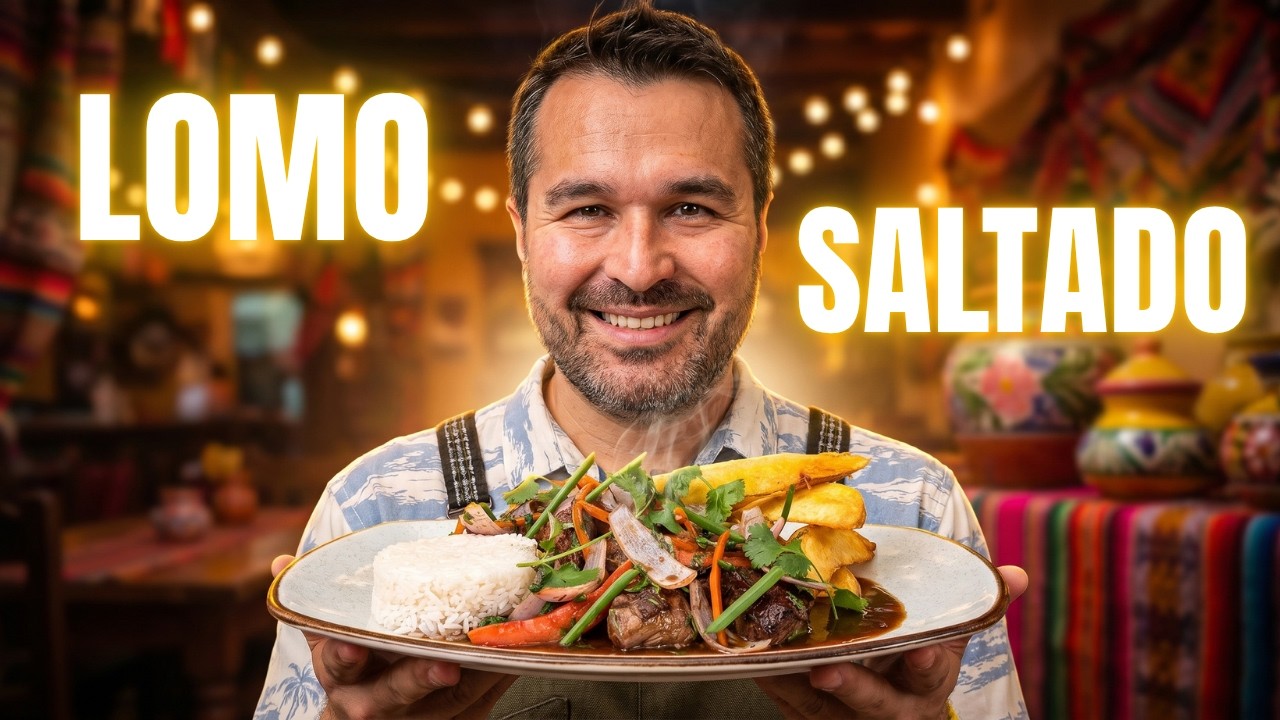
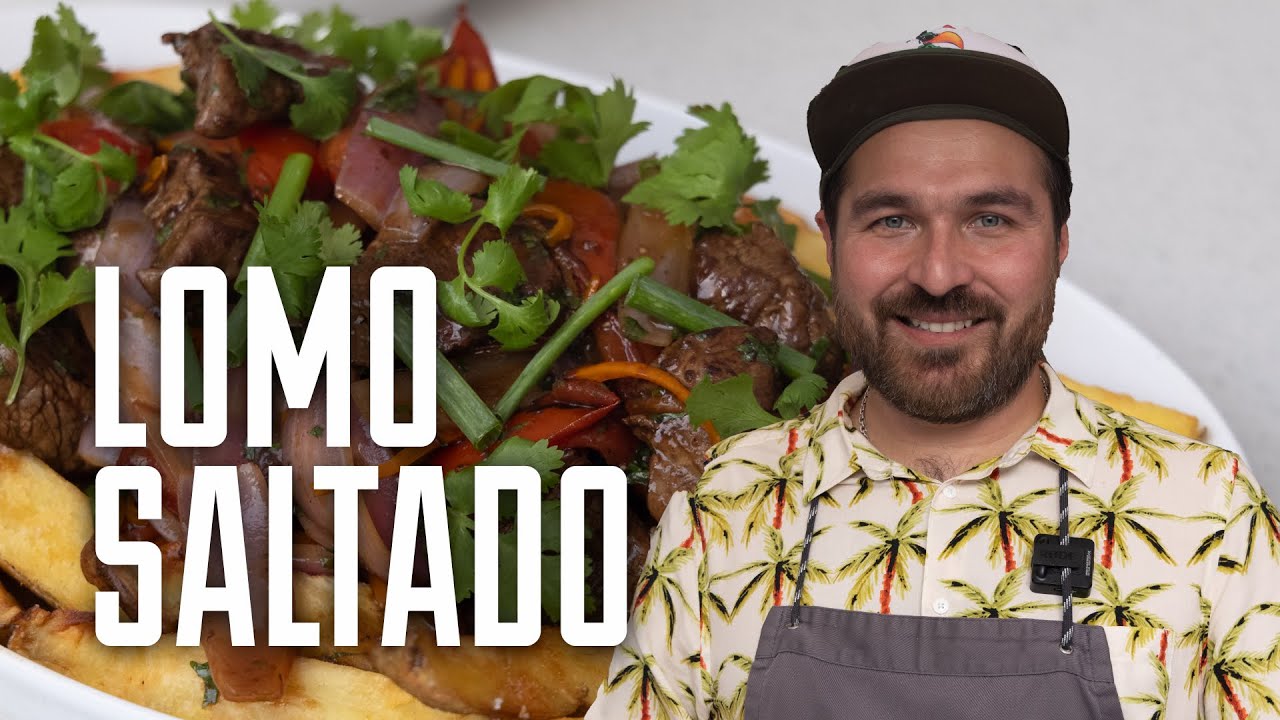
Giacomo Bocchio's professional technique for Peru's most iconic stir-fry: tenderloin seared in a blazing wok, tossed with onion, ají amarillo, and tomato, finished with a premix of soy sauce, oyster sauce, and vinegar — then elevated with a perfumed dark beef stock. Served over double-variety crispy fried potatoes and rice with corn.
download Extracted 2026-03-31
Ingredients
Fried Potatoes
- 2 medium papa guayro (Peruvian native potato) (steamed whole until cooked through, chilled completely, then cut into batons)
- 2 medium papa amarilla (yellow potato) (steamed whole until cooked through, chilled completely, then cut into bite-sized blocks)
- enough for deep frying neutral frying oil (heated to 180–185°C)
- to taste salt (applied to potatoes immediately while hot from the fryer)
Main
- 400 g beef tenderloin (lomo fino) (trimmed, cut into large chunks, seasoned with salt and a drizzle of oil)
- 1 large red onion (cut into thick wedges (cajitas))
- 2 unit ají amarillo (seeded, deveined, cut into julienne strips)
- 2 unit tomato (cut into wedges; trim ends and seeds reserved for the aromatic stock)
- 4 stalks scallions (green onions) (white/root ends reserved for aromatic stock; green tops sliced for finishing and garnish)
- handful cilantro (stems reserved for aromatic stock; leaves roughly chopped for finishing)
- 4 tbsp neutral oil
- to taste black pepper (freshly ground; added off the heat)
Perfumed Stock
- 250 ml dark beef stock (perfumed with lomo saltado aromatics (see steps); thickened with cornstarch slurry) optional
- 1 small piece ginger (kión) (sliced; used for the aromatic stock)
- 1 tbsp cornstarch (dissolved in a little cold water to make a slurry) optional
Premix Sauce
- 3 tbsp soy sauce (sillao)
- 2 tbsp oyster sauce
- 2 tbsp white vinegar (can substitute other vinegars, adjusting to taste)
To Serve
- to serve cooked white rice (optionally cooked with corn kernels (arroz con choclo))
Steps
-
1Make the premix sauce: combine soy sauce (sillao), oyster sauce, and white vinegar in a small bowl. Stir to mix. Set aside. This can be made in advance and scaled up for restaurant use.Tip: This premix alone is enough to season the dish; the perfumed stock is the restaurant upgrade.~5 min
-
2Steam the potatoes whole: place papa guayro and papa amarilla in a pot with a small amount of water, cover and steam for 30–45 minutes until fully cooked through. Transfer immediately to the refrigerator or an ice bath and chill completely.Tip: Steam delivers more heat than boiling water (up to 130°C vs 100°C) and keeps the potato drier. Chilling is critical — cold potatoes cut cleanly without crumbling and fry much crispier.~45 min
-
3Build the aromatic stock: heat a little oil in a saucepan and sauté tomato trimmings, ají amarillo trimmings, onion hearts, scallion root ends, sliced ginger, and cilantro stems until well browned. Off the heat, stir in the premix sauce. Pour in the dark beef stock and simmer for 30–45 minutes. Strain, return liquid to the pan, bring to a boil, and thicken with a cornstarch slurry to a light nappé consistency.Tip: Using vegetable trimmings (mermas) is the professional approach — zero waste and maximum flavor. This step can be done well in advance; the finished stock keeps refrigerated for several days.~45 min
-
4Cut the chilled potatoes: slice papa guayro into long batons, trimming any damaged areas. Cut papa amarilla into bite-sized blocks. Keep them cold until ready to fry.~5 min
-
5Deep-fry the potatoes: heat oil to 185°C in a deep pan (it will drop slightly when potatoes are added, stabilizing around 180°C). Fry potatoes in batches until golden and crispy. Remove and salt immediately while still hot and glistening — salt only adheres while the oil is still on the surface.Tip: Deep frying absorbs less oil than shallow frying because the saturated fat medium prevents the food from soaking it up. Always salt right out of the fryer.~10 min
-
6Season and cure the wok: place your wok over maximum heat until it turns slightly blue/grey — this opens the metal's pores. Reduce heat briefly, add a splash of oil, and distribute it over the entire surface with a paper towel or brush. This prevents sticking and builds the wok's non-stick seasoning.Tip: This step is essential before cooking in a carbon steel wok for the first time, or after cleaning it with soap. The entire seasoning process takes only a few minutes.~5 min
-
7Sear the beef: add oil to the cured wok over maximum heat. Add the seasoned beef chunks in a single layer. Do not stir — let a deep crust (Maillard reaction) form on each piece. The exterior should be deeply caramelized while the interior remains raw. Remove the beef and set aside.Tip: Large chunks are key — they let you control doneness. Small pieces will overcook instantly in the intense wok heat. Target medium at most: this is premium first-cut beef.~3 min
-
8Stir-fry the vegetables: add a little more oil to the wok, still on maximum heat. Add the onion wedges and ají amarillo julienne. Stir-fry using a ladle to toss — do not shake the wok, use the ladle to push and fold — until the onion is lightly charred and fragrant with smoky aroma.Tip: The professional wok technique uses a ladle to toss, not the arm. This keeps the ingredients in constant contact with the hottest part of the wok.~2 min
-
9Bring it all together: return the seared beef to the wok along with the tomato wedges. Toss briefly. Pour in the premix sauce and stir. Add the perfumed stock and toss to coat everything. Remove from heat, grind black pepper generously over the top, add the rough-chopped cilantro and sliced green scallion tops. Toss once more.Tip: Add black pepper off the heat — pepper burns and turns bitter at wok temperatures. The tomato should still have structure; it finishes cooking from the residual heat.~3 min
-
10Plate and serve: arrange papa amarilla blocks as a bed in the center of a large plate or platter. Spoon the lomo saltado with all its juices over the top. Place papa guayro batons around the edges. Add a small portion of white rice (ideally arroz con choclo — rice cooked with corn kernels) on the side. Garnish with reserved scallion greens.Tip: Giacomo's favorite part of lomo saltado is soaking the rice in the juices — so plate generously with sauce. The two potato varieties give different textures: amarilla is creamy inside, guayro is slightly floury and puffs beautifully.~3 min
Nutrition (per serving)
720
Calories
48g
Protein
58g
Carbs
28g
Fat
5g
Fiber
Cultural Context
Lomo saltado is arguably the most ordered dish in Peruvian restaurants worldwide and a defining expression of chifa — the deep culinary fusion between Peru and Chinese immigrants who arrived in the 19th century. The stir-fry technique (wok over intense flame, producing smoky 'wok hei'), soy sauce, oyster sauce, and ginger all trace directly to Chinese cooking, while the ají amarillo, native potatoes, and cilantro anchor it unmistakably in Peru. Giacomo demonstrates the restaurant method: a flavor-packed premix, a perfumed dark stock to enrich the sauce, and the professional sequence of searing the beef first then returning it at the end — guaranteeing medium-rare perfection every time.