› Browse Recipes › Carapulcra with Pork for Fiestas Patrias
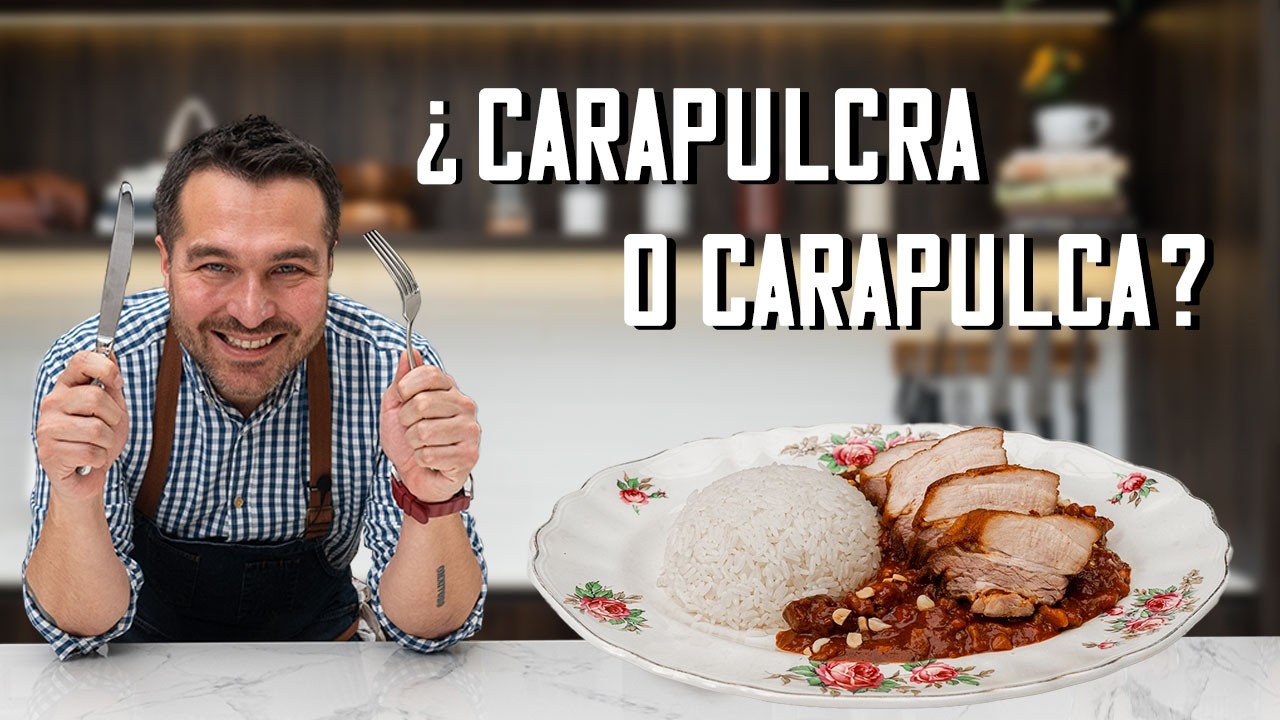
Carapulcra with Pork for Fiestas Patrias
One of Peru's oldest stews, carapulcra is made from dried potato (papa seca) and pork. Giacomo Bocchio presents his elevated version: pork shoulder brined then seared for deep flavor, a powerful aderezo with three types of ají (amarillo, mirasol, and panca), red wine deglazing, a spice sachet (cinnamon, cloves, bay leaf), dark stock cooking, and finished with toasted peanuts, homemade peanut butter, and a touch of chocolate for creaminess and depth. Served with crispy chicharrón on top and a fresh salsa criolla on the side.
download Extracted 2026-03-31
Ingredients
Aderezo
- 2 large Yellow onion (finely diced (brunoise))
- 6 cloves Garlic (minced or blended)
- 3 tbsp Ají amarillo paste (raw ají amarillo blended with a little water)
- 3 tbsp Ají panca paste (cooked and blended)
- 3 tbsp Ají mirasol paste (cooked and blended)
- 100 ml Red wine
Finish
- 80 g Toasted peanuts (roughly chopped; some reserved for garnish)
- 3 tbsp Homemade peanut butter (toasted peanuts blended with a drop of oil until smooth)
- 30 g Dark chocolate (or peanut chocolate) (broken into pieces; added off heat)
Main
- 0.5 piece Pork bondiola (pork shoulder/neck) (previously brined in salmuera, cut into large chunks)
- 500 g Dried potato (papa seca) (toasted in dry pan at high heat, then soaked in cold water in the refrigerator for at least 12 hours, drained)
- 500 ml Dark stock (pork or chicken) (made with roasted aromatic vegetables (bresa))
- 80 ml Olive or vegetable oil (generous amount; serves both for searing and cooking the aderezo)
Seasoning
- to taste Black pepper (added to aderezo (not to meat before searing))
- to taste Ground cumin (added to aderezo once there is liquid present so it does not burn)
- to taste Salt (adjusted at end; meat already seasoned via brine)
Serving
- to taste Crispy pork chicharrón (prepared separately, sliced thick; served on top)
- to taste Salsa criolla (thinly sliced red onion, lime juice, cilantro, ají amarillo; served on the side)
- to taste Cooked white rice (served alongside)
Spice Sachet
- 1 stick Cinnamon stick (placed inside spice sachet (muñequita))
- 3 pieces Whole cloves (placed inside spice sachet (muñequita))
- 1 leaf Bay leaf (placed inside spice sachet (muñequita); optional personal addition by Giacomo) opcional
- 1 piece Cheesecloth / gauze (used to wrap spice sachet (muñequita), tied with kitchen twine)
Steps
-
1The day before (or at least 12 hours ahead): Toast the dried potato (papa seca) in a dry pan over high heat, stirring, until it takes on golden, toasted notes. This step adds a wood-fired flavor dimension to the finished stew.Tip: The toasting water will turn amber — discard this soaking water later, just as you would with legumes.~5 min
-
2Submerge the toasted papa seca in cold water and refrigerate for at least 12 hours so it rehydrates fully without fermenting. It should roughly double in size and become easy to split with your fingers — this ensures the stew cooks in about 30 minutes.Tip: If your papa seca is not properly hydrated, the stew can take hours to cook. Properly hydrated papa seca behaves like fresh potato.~720 min
-
3Make the spice sachet (muñequita): Place a cinnamon stick, 3 whole cloves, and optionally a bay leaf in the center of a piece of cheesecloth. Gather the edges up, keeping any cut/frayed edges folded inward, and tie tightly with a double length of kitchen twine. Set aside.Tip: Always fold frayed cheesecloth edges inward so no loose threads end up in the stew.~3 min
-
4Heat a generous amount of oil in a large, heavy pot over high heat. Add the brined pork chunks (do not season — the brine has already salted them, and adding pepper or cumin now would burn). Sear without moving until deeply golden on all sides. The caramelization on the pot bottom is essential flavor.Tip: Do not move the pork until it releases naturally and starts to show golden color; premature movement causes steaming instead of browning.~10 min
-
5Immediately add the finely diced onion (brunoise) to the pot with the seared pork. The onion's water will deglaze the caramelized bits on the pot bottom — scrape them up. Allow the onion to start sweating before adding garlic.Tip: Add onion before garlic: onion has more water content and protects the garlic from burning. Find a clear spot in the pot and add garlic there, letting it lightly brown before mixing.~8 min
-
6Once the onion and garlic are cooking and the onion begins to caramelize, add the ají amarillo paste first (it contains the most water of the three). Stir well, then add black pepper and cumin — they are safe to add now because the liquid in the paste protects them from burning.Tip: You are looking for the aderezo to 'cortarse' (break or separate) — you will see the oil come to the sides. This is the sign the aderezo is properly cooked.~8 min
-
7Add the ají panca paste and ají mirasol paste. Stir everything together and continue cooking, scraping the pot base with a silicone spatula to keep all the flavors incorporated. Cook until the aderezo is deeply fragrant, the oil separates to the edges ('ojos de sapo'), and the base just begins to stick — this is the point to deglaze.Tip: The silicone spatula is key: it keeps the pot sides and base clean, integrating every caramelized bit into the stew rather than leaving it to burn.~10 min
-
8Pour in the red wine and deglaze the pot bottom thoroughly. Stir and scrape up all the caramelized bits. Allow the alcohol to evaporate fully — you will smell the sharp alcohol steam dissipate — before proceeding.Tip: Alcohol evaporates at around 70°C; the first burst of steam is pure alcohol. Wait until that sharp aroma dissipates.~3 min
-
9Drain the rehydrated papa seca well (discard the soaking water). Add it to the pot and stir to coat every piece with the aderezo.~3 min
-
10Add the spice sachet (muñequita) to the pot. Pour in enough dark stock to just cover and allow cooking — the papa seca will absorb some liquid. Cook over medium heat, stirring occasionally and scraping the base, for 25–30 minutes until the papa seca is fully tender.Tip: Use dark stock, not water. If the stew starts to stick, add a splash more stock and scrape the base — those sticky bits are flavor, not burned material.~30 min
-
11Once the papa seca is tender and the stew has a thick, saucy consistency, remove from heat. Remove and discard the spice sachet. Stir in the roughly chopped toasted peanuts, then fold in the homemade peanut butter and the chocolate (off the heat, using residual warmth). The peanut butter and chocolate add creaminess, richness, and a gentle sweetness.Tip: Always add peanut butter and chocolate off the heat to prevent the sauce from breaking or the chocolate from seizing.~3 min
-
12Taste and adjust salt and pepper as needed. Slice the pre-cooked chicharrón into thick pieces.~2 min
-
13To serve: spoon the carapulcra into a wide bowl or plate alongside white rice. Top with sliced chicharrón and scatter extra toasted peanuts over the top. Serve the salsa criolla on the side (not mixed in) so the fresh acidity contrasts with the rich stew.Tip: Giacomo recommends the salsa criolla always served separately so diners can control how much they mix in.~3 min
Nutrition (por porción)
560
Calorías
32g
Proteína
58g
Carbohidratos
22g
Grasa
8g
Fibra
Cultural Context
Carapulcra — also spelled carapulca or calapurca — is considered Peru's oldest surviving stew, with pre-Incan origins. The word derives from the Aymara 'kala phurk'a,' meaning stew cooked on hot stones. Before the Spanish arrived, Andean communities had three methods of potato preservation: tokos (fermentation in streams), tunta/moraya/chuño (freeze-drying in the highlands snowfields), and calapurca (dehydration on hot stones). The dish later evolved in the Ica region during the 1950s–60s, when wealthy hacienda owners enriched the humble stew with port wine, chocolate, and European ingredients at lavish banquets. After the Agrarian Reform under Velasco in the 1960s, former farmworkers replicated these banquets with more modest budgets, creating the version known today. It is considered a quintessential dish for Fiestas Patrias (Peru's national holidays on July 28–29).
Giacomo Bocchio
Una rica CARAPULCRA CON CERDO por FIESTAS PATRIAS | Eleva tu Juego culinario
Watch on YouTube →