› Browse Recipes › Peruvian Cooking Bases Part 2: Ají Mirasol, Rocoto, Confited Ají, Criolla, Chalaca & Causa
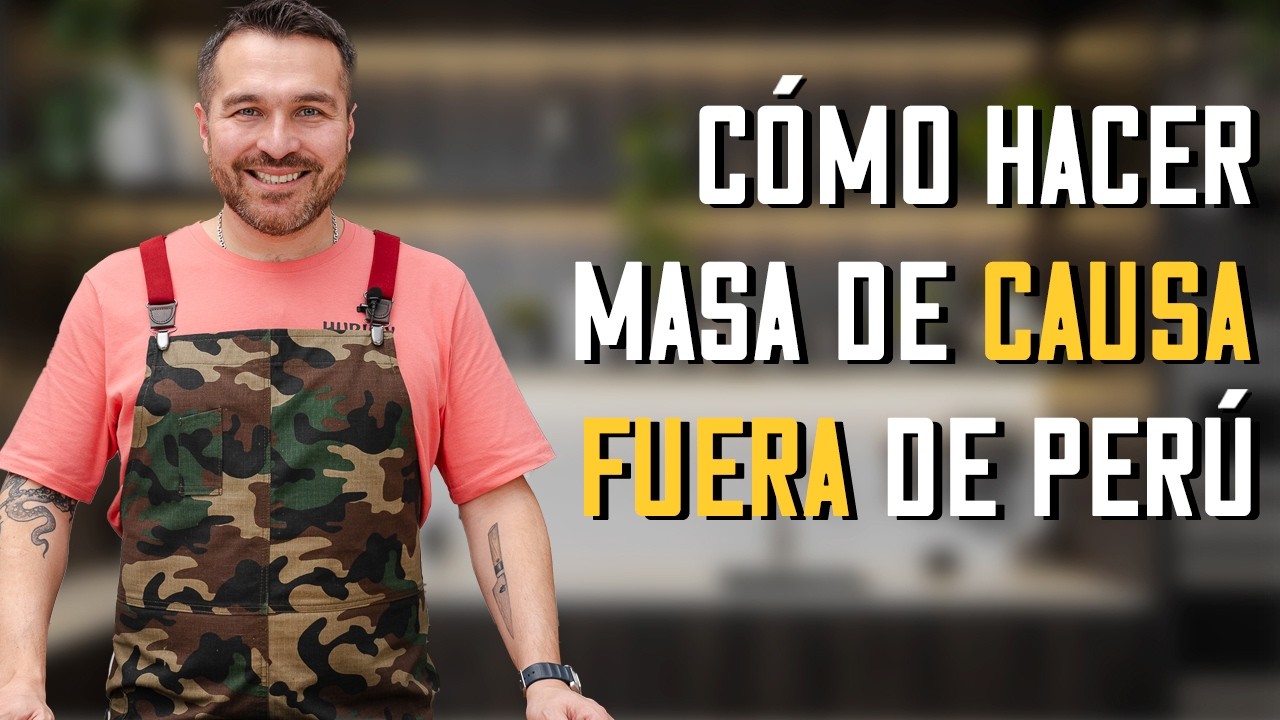
Peruvian Cooking Bases Part 2: Ají Mirasol, Rocoto, Confited Ají, Criolla, Chalaca & Causa
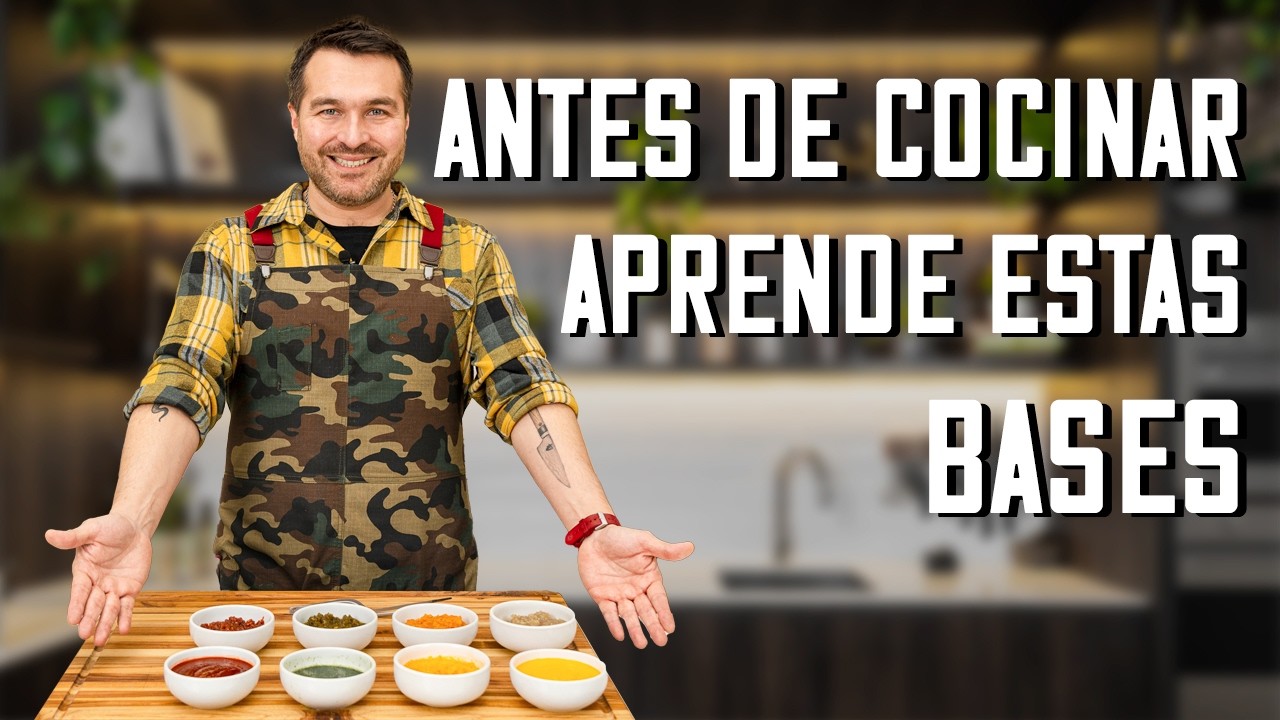
Six essential Peruvian cooking bases: pasta de ají mirasol, pasta de rocoto, confited ají amarillo paste with garlic, salsa criolla, chalaca, and a causa dough technique using dehydrated potato flakes.
download Extracted 2026-03-30
Ingredients
Ají Amarillo Confitado
- as needed fresh ají amarillo (seeded, deveined, roughly chopped)
- 1 clove per ají garlic (roughly chopped)
- 1/3 ratio to solids vegetable oil (for confiting)
Masa de Causa
- as needed dehydrated potato flakes (rehydrate with warm water)
Pasta de Ají Mirasol
- as needed ají mirasol (dried ají amarillo) (seeded, deveined, blanched 3 times from cold)
Pasta de Rocoto
- as needed rocoto pepper (cut in cachetes, seeded, blanched 3 times)
Salsa Criolla / Chalaca
- as needed red onion (julienne (criolla) or brunoise (chalaca))
- to taste rocoto or ají limo (sliced or minced)
- to taste fresh cilantro (chopped)
- to taste lime juice
Steps
-
1AJÍ MIRASOL PASTE: Clean dried peppers (remove ends, seeds, veins). Blanch 3 times from cold water. Blend with a little oil, strain to remove skin.
-
2ROCOTO PASTE: Cut rocoto in cachetes (cheeks), remove all seeds. Black seeds = very spicy, brown = mild. Blanch 3 times from cold. Blend and strain.
-
3CONFITED AJÍ AMARILLO: Clean and chop ají amarillo with garlic (1 clove per ají). Cook in oil at low temp (~95°C) for 15-20 min. Cool completely, then blend smooth.
-
4SALSA CRIOLLA: Slice red onion in julienne (pluma). Combine with sliced hot pepper, cilantro, lime juice, and a little oil.
-
5CHALACA: Cut red onion in brunoise (small dice). Combine with finely diced pepper, cilantro, lime juice, and optionally oil.
-
6CAUSA DOUGH: Rehydrate potato flakes with warm water using a whisk until firm, floury texture. Season with confited ají amarillo paste, lime juice, and salt.
Cultural Context
These six bases form the flavor backbone of Peruvian cuisine across ceviches, tiraditos, causas, huancaína and stews. The ají mirasol is the sun-dried form of ají amarillo from Tacna, and the confited ají technique traces to traditional chalaco cooking from the port of Callao.
Giacomo Bocchio
BASES PARA COCINAR COCINA PERUANA PARTE 2 | ELEVA TU JUEGO CULINARIO
Watch on YouTube →