› Browse Recipes › Types of Glassware and Their Correct Use in Bartending
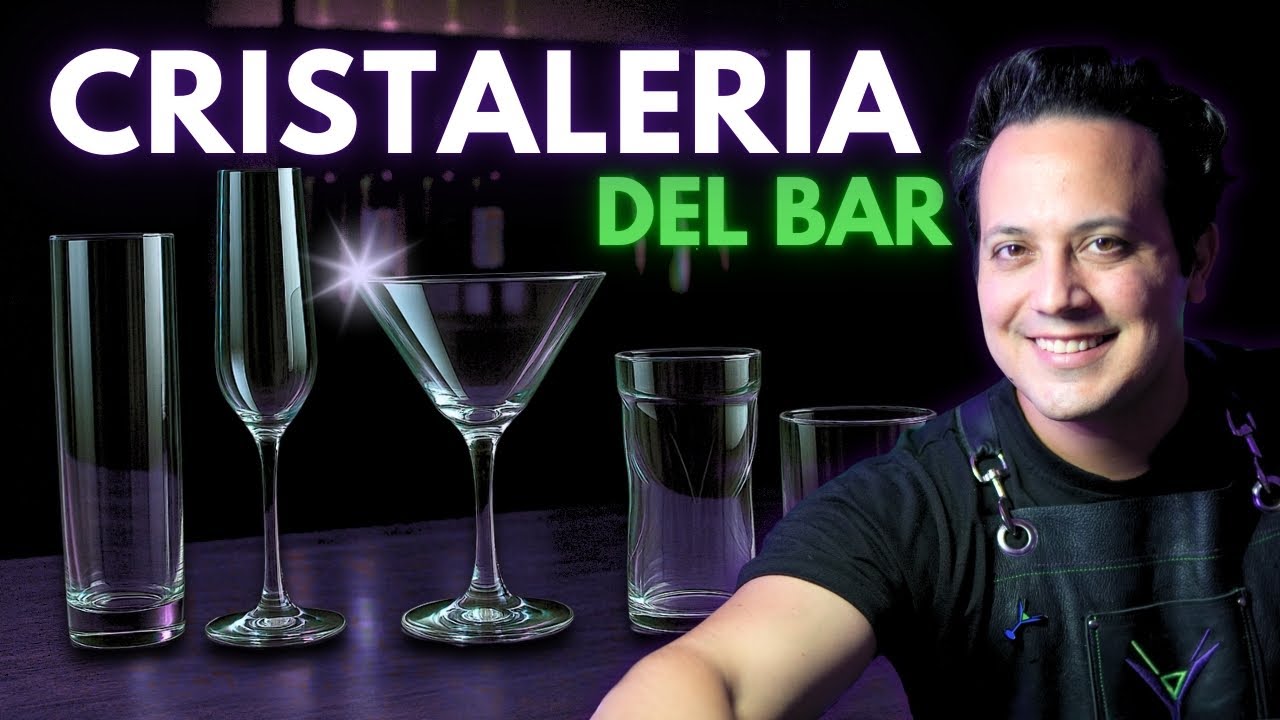
Types of Glassware and Their Correct Use in Bartending
A comprehensive bartending class covering the 4 essential rules for handling glassware, why and how to chill or warm glasses before service, and a detailed tour of all standard bar glassware types — from rocks glass to hurricane cup, coupe, Tiki mug, copper mug, Julep cup, brandy snifter, and more.
smart_display Published 2026-01-16
download Extracted 2026-04-16
Ingredients
No ingredients listed
Steps
-
1Store all glassware at room temperature unless the cocktail recipe requires the glass to be cold or warm. Glassware fresh from the dishwasher will be hot — let it rest before using.Tip: Always let freshly washed glasses cool to room temperature before use to avoid thermal shock with the drink.
-
2Follow the 4 essential glassware handling rules: (1) Use the correct glass for each cocktail. (2) Ensure the glass is clean and polished. (3) Check every glass daily for chips or cracks — a cracked glass can cut a customer's lips. (4) Maintain the appropriate temperature for the cocktail being served.Tip: Never touch the rim or upper portion of any glass — always handle by the stem, foot, or base.
-
3To chill a glass: fill it with ice water and let it temper while you prepare the cocktail. When the cocktail is ready to serve, discard the ice water so the liquid makes no thermal shock with the glass. Alternatively, store glasses in a refrigerator for continuous service.Tip: Cold glassware is especially important for cocktails served without ice — alcohol at room temperature is more aggressive on the palate.
-
4To warm a glass: pour hot water from an espresso machine into the glass and let it heat up. Discard the water when the glass reaches the desired temperature, then serve the cocktail. Do not use hot water from the tap — it may contain bacteria or impurities.Tip: Warm glasses are used for hot cocktails, digestives, aromatic brandies, and liqueurs — preheating helps maintain temperature and enhances the aromas.
-
5Rocks glass / Old Fashioned glass: a short, wide tumbler used for cocktails with ice and for serving premium spirits neat. Classic cocktails: Black Russian, White Russian, Rusty Nail, Old Fashioned.
-
6Highball glass / Collins glass: tall glasses used for mixing spirits with sodas or carbonated drinks (long drinks). The Collins glass is similar but slightly taller and narrower — its name comes from the Tom Collins cocktail (gin, lemon, sugar, and soda).
-
7Champagne flute: tall, narrow glasses primarily used for sparkling wines and cocktails that include Champagne or Prosecco. A staple for toasts.
-
8Wine glass: divided into two main types — white wine glass (smaller) and red wine glass (larger, with a wider body and shorter mouth to keep aromas inside longer). Wine glasses can also be used for cocktails and water service.
-
9Margarita glass: the classic wide-rimmed glass shaped like an inverted hat — used for the Margarita cocktail and frozen cocktails of various styles. Very visually distinctive.
-
10Hurricane glass: has a teardrop silhouette — wide round base that narrows in the middle and opens again at the mouth. Perfect for tropical cocktails like Piña Colada and Singapore Sling.
-
11Irish coffee glass / warm drink mug: a handled glass mug used for hot cocktails. The handle lets you hold the glass without being burned by the heat of the drink.
-
12Shot glass: a small glass used for drinking spirits straight or for layered cocktails where each ingredient's density creates visible color separation. Available in various sizes and styles.
-
13Brandy snifter (brandy glass): the large globular bowl allows aromas to develop and concentrate inside the glass. The rounded bottom is traditionally held in the palm to warm the brandy with body heat — though the instructor notes this is more legend than science. Best for aged spirits rich in aromas and flavor.Tip: If the glass is cold, there will be a real thermal impact on the spirit. Pre-warm the glass if serving aged brandy or cognac.
-
14Cocktail glass / Martini glass: used for shaken cocktails served without ice. Always handle by the stem to avoid warming the drink. Essential bar glass — used preferably for dry Martini, Martinez, and other dry cocktails.Tip: This glass must be pre-chilled before service since there is no ice in the drink to keep it cold.
-
15Coupe glass: became fashionable in 1930 as a special glass for Champagne. Today it is widely used for cocktails (not just sparkling wines) and can substitute the Martini glass in most applications.
-
16Beer mug / pitcher: thick-bottomed glasses with handles that prevent hand warmth from affecting the cold beer. Both draft and bottled beer can be served in these. The thick base is said to originate from Vikings slamming mugs on bar counters — though this is acknowledged as legend.
-
17Tiki mug: an iconic vessel from Tiki cocktail culture, pioneered by Donn Beach (Donn the Beachcomber) who brought Polynesian flavors to American bars. The term 'Tiki' is a generic word for drinks served in these totem-shaped vessels. Classic Tiki cocktails: Fog Cutter, Zombie, Mai Tai.
-
18Copper mug (Moscow Mule mug): a trademark vessel for the Moscow Mule cocktail. Beyond its striking appearance, the copper keeps the drink cold. Became extremely popular around 1950 during the vodka boom.
-
19Julep cup: became truly famous when the Mint Julep was named the official drink of the 1938 Kentucky Derby. A classic vessel for bourbon-based mint cocktails.
-
20Modern bartending is highly creative — many bars and bartenders commission custom glassware designed to match their specific cocktail concepts. The standard types above are the foundation, but expect many variations in any professional bar setting.
Cultural Context
Proper glassware selection is a foundational skill in professional bartending. Different vessels are designed to enhance specific cocktail profiles — concentrating aromas, maintaining temperature, and presenting the drink's visual appeal. The video traces historical origins of several glass types, including the Viking legend behind thick-bottomed beer mugs, the 1930s rise of the coupe for Champagne, and Donn Beach (Donn the Beachcomber) pioneering Tiki cocktail culture in the United States by bringing Polynesian flavors to American bars in the mid-20th century. The copper mug became iconic for the Moscow Mule around 1950 during the vodka boom, and the Julep cup gained fame when the Mint Julep became the official drink of the 1938 Kentucky Derby.