› Browse Recipes › Chupe de Camarones (with Prawns) — Easy, Tasty and Quick
Chupe de Camarones (with Prawns) — Easy, Tasty and Quick
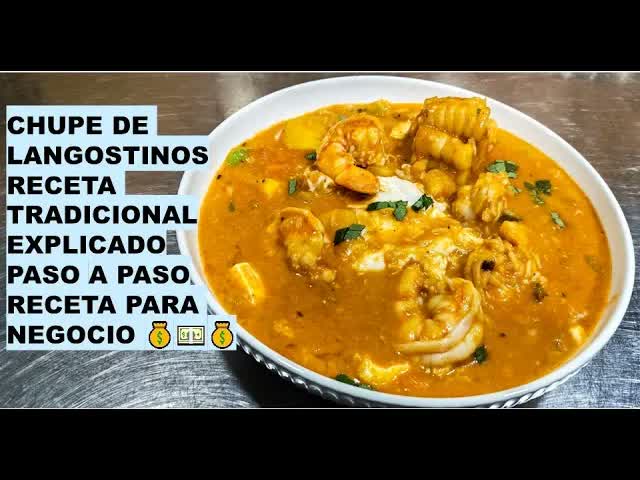
A hearty Peruvian prawn chowder built on a homemade prawn-shell stock that doubles as the aromatic base. Loaded with rice, potatoes, squash, corn, fava beans, cheese, evaporated milk and poached eggs, with ají amarillo and ají panca pastes for color and depth. Standardized with weights and measures, step by step.
smart_display Published 2026-05-25
download Extracted 2026-05-29
Ingredients
- 300 g prawns (langostinos), shell-on (peeled, shells reserved for the stock)
- 2 oz vegetable oil
- 110 g onion (diced)
- 10 g garlic (minced)
- 2 tbsp ají amarillo paste
- 3 tbsp ají panca paste
- 200 g tomato (diced)
- 0.25 tsp freshly ground black pepper
- 2 L water (to bring the blended base up to volume)
- 150 g high-starch rice (lightly rinsed)
- 100 g carrot (diced)
- 4 pieces corn on the cob (choclo) (cut into chunks (about 2 ears))
- 400 g yellow potatoes (cut into generous chunks)
- 100 g squash (zapallo) (diced)
- 72 g fava beans (habas) (shelled)
- 2 sprigs huacatay (Peruvian black mint) (added whole, removed after infusing; can substitute culantro)
- 20 g salt
- 110 g fresh cheese (cut into cubes)
- 100 ml evaporated milk
- 3 units eggs (added whole near the end to poach (one per serving))
- a pinch dried oregano (crushed/pulverized) optional
- drizzle pisco or rum (for flambé) (optional — flambé the base for a smoky touch) optional
Steps
-
1Peel the prawns, keeping the shells. Reserve all the shells — they are the heart of the stock and aromatic base.Tip: If making chupe with true river shrimp, use the smallest shrimp for the stock.~5 min
-
2Heat a pan with half the oil (1 oz). When hot, sear the peeled prawns briefly to develop umami, then lower the heat and remove them; set aside.Tip: There is no cross-contamination risk — the prawns are raw and will finish cooking later.~3 min
-
3Add the onion and garlic to the same pan with the remaining oil. Then add the reserved prawn shells and sauté over medium heat until everything takes on color, about 4–5 minutes.~5 min
-
4Make a space in the center and add the ají amarillo and ají panca pastes. Fry them over low heat for 3–4 minutes until they lose moisture and begin to caramelize.Tip: Ají pastes are high in sugar and scorch easily — keep the heat low so they don't burn and ruin the dish.~4 min
-
5Add the diced tomato and the black pepper. Pour in 2 oz of water to help the tomato break down. Let it cook until the tomato dissolves and begins to fry, building deep umami flavor.Tip: Optional: add a splash of pisco or rum and flambé here for a smoky touch — not in the original recipe but a nice upgrade.~10 min
-
6Turn off the heat and add water. Transfer the mixture to a blender and blend into a smooth concentrate. Strain through a sieve, pressing to extract all the liquid and discarding shell and tomato-skin residue.Tip: For a prawn chupe use only water — never fish stock, which would overpower the prawns' subtle flavor. Prawn stock is even better if you have it.~5 min
-
7Return the strained base to the pot and top up with water to reach about 2 liters total. Bring to a simmer, then add the lightly rinsed rice and the diced carrot.~3 min
-
8Add the corn chunks and let everything boil for about 5 minutes. If using white potatoes instead of yellow, add them now since they take longer to cook.Tip: You can also cut the corn off the cob for easier eating, but tradition keeps it in chunks.~5 min
-
9Add the yellow potatoes in generous chunks, the diced squash (zapallo) and 2 sprigs of huacatay. Continue simmering gently for about 15–20 more minutes until the rice and potatoes are cooked, stirring often. Add a little more water if it thickens too much.Tip: Don't add salt yet — wait until near the end.~18 min
-
10Remove the huacatay sprigs. Crush a little dried oregano over the pot. Add the shelled fava beans and season with the salt (20 g). Add a splash more water (about 150 ml) if needed and let it boil 2–3 minutes — no more, or the favas fall apart.~3 min
-
11Add the cubed cheese, distribute the seared prawns through the pot, and pour in the evaporated milk (100 ml). Let it come back to a boil so the salt penetrates the potatoes and the cheese melts slightly.Tip: Add the prawns near the very end — added too early they shrink, toughen and lose flavor.~3 min
-
12Once it returns to a boil, crack in the whole eggs (one per serving) and let them poach in the residual heat with the yolks intact. Serve into bowls, arranging a prawn and an egg on top, and finish with freshly chopped huacatay.Tip: Chupe is essentially a thick soup — that thickness is what defines it.~3 min
Nutrition (per serving)
420
Calories
22g
Protein
45g
Carbs
17g
Fat
5g
Fiber
Cultural Context
Chupe is one of Peru's most beloved comfort dishes — a thick, almost stew-like soup whose name comes from the Quechua verb 'chupi' (to soak/eat soup). Chupe de camarones, traditionally made with the freshwater river shrimp of Arequipa, is the most prized version, but coastal and inland cooks adapt freely with prawns (langostinos) or fish when river shrimp are unavailable. The dish reflects the Peruvian kitchen's mestizo character: indigenous ingredients like potatoes, choclo (Andean corn), zapallo (squash), fava beans and the herb huacatay meet Spanish-introduced dairy (cheese and evaporated milk) and eggs. A defining technique is reserving and frying the prawn shells to build a delicate stock-cum-sofrito, capturing maximum flavor with minimal waste.